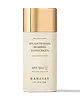
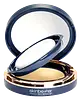
Ranavat Brightening Mineral Sunscreen SPF 50+ Versus SkinBetter Science Sunbetter Tone Smart SPF 68 Sunscreen Compact
This hybrid sunscreen covers the full UV range and blocks ~98% of UVB at SPF 50.
This sunscreen offers SPF 68 protection with a matte finish that helps control shine.

What's inside
What's inside
 Key Ingredients
Benefits
Concerns
Ingredients Side-by-side
Zinc Oxide 12.3%
Cosmetic Colorant


Water
Skin ConditioningCoco-Caprylate
Emollient

Ethylhexyl Olivate
Skin Conditioning

Butyloctyl Salicylate
Skin Conditioning
C13-15 Alkane
SolventGlyceryl Oleate Citrate
Emulsifying
Glycerin
Humectant

Ethylhexyl Methoxycrylene
Skin Conditioning
Disteardimonium Hectorite
StabilisingRubia Cordifolia Stem Extract
HumectantCrocus Sativus Flower Extract
MaskingBuddleja Officinalis Flower Extract
UV FilterRosa Damascena Flower Water
Masking

Rosa Damascena Flower Oil
Masking




Glycine Soja Oil
Emollient



Berberis Aristata Root Extract
Skin ConditioningCurcuma Longa Root Extract
Antioxidant
Glycyrrhiza Glabra Root Extract
Bleaching
Nelumbo Nucifera Flower Extract
Skin ConditioningVetiveria Zizanoides Root Extract
Perfuming
Symplocos Racemosa Bark Extract
HumectantBrassica Juncea Seed Extract
Skin ConditioningCyperus Rotundus Root Extract
Skin ConditioningMesua Ferrea Flower Extract
Skin ConditioningPrunus Cerasoides Extract
Butea Monosperma Flower Extract
Eugenia Caryophyllus Seed Extract
Skin ConditioningInula Racemosa Root Extract
Skin ConditioningFicus Benghalensis Bark/Bud Extract
Preservative
Cinnamomum Tamala Leaf Extract
Skin ConditioningSesamum Indicum Seed Oil
Emollient
Oryza Sativa Bran Oil
Emollient
Ricinus Communis Seed Oil
Masking
Caprylic/Capric Triglyceride
Masking
Jojoba Esters
Emollient
Squalane
Emollient
Tocopherol
Antioxidant
Bisabolol
Antioxidant
Tocopheryl Acetate
Antioxidant
Polyglyceryl-3 Polyricinoleate
Emulsifying
Caprylyl Glycol
Emollient
Trihydroxystearin
Skin Conditioning
Polyhydroxystearic Acid
Emulsifying
Phenoxyethanol
Preservative
Ethylhexylglycerin
Skin ConditioningHexylene Glycol
EmulsifyingHydroxyphenoxy Propionic Acid
Skin ConditioningPropylene Glycol
Humectant
Geraniol
Perfuming
Eugenol
Perfuming
Citronellol
Perfuming
Limonene
Perfuming
Farnesol
Perfuming
Geranyl Acetate
Perfuming
Linalool
Perfuming
Neral
Perfuming
CI 77492
Cosmetic ColorantCI 77491
Cosmetic ColorantZinc Oxide 12.3%, Water, Coco-Caprylate, Ethylhexyl Olivate, Butyloctyl Salicylate, C13-15 Alkane, Glyceryl Oleate Citrate, Glycerin, Ethylhexyl Methoxycrylene, Disteardimonium Hectorite, Rubia Cordifolia Stem Extract, Crocus Sativus Flower Extract, Buddleja Officinalis Flower Extract, Rosa Damascena Flower Water, Rosa Damascena Flower Oil, Glycine Soja Oil, Berberis Aristata Root Extract, Curcuma Longa Root Extract, Glycyrrhiza Glabra Root Extract, Nelumbo Nucifera Flower Extract, Vetiveria Zizanoides Root Extract, Symplocos Racemosa Bark Extract, Brassica Juncea Seed Extract, Cyperus Rotundus Root Extract, Mesua Ferrea Flower Extract, Prunus Cerasoides Extract, Butea Monosperma Flower Extract, Eugenia Caryophyllus Seed Extract, Inula Racemosa Root Extract, Ficus Benghalensis Bark/Bud Extract, Cinnamomum Tamala Leaf Extract, Sesamum Indicum Seed Oil, Oryza Sativa Bran Oil, Ricinus Communis Seed Oil, Caprylic/Capric Triglyceride, Jojoba Esters, Squalane, Tocopherol, Bisabolol, Tocopheryl Acetate, Polyglyceryl-3 Polyricinoleate, Caprylyl Glycol, Trihydroxystearin, Polyhydroxystearic Acid, Phenoxyethanol, Ethylhexylglycerin, Hexylene Glycol, Hydroxyphenoxy Propionic Acid, Propylene Glycol, Geraniol, Eugenol, Citronellol, Limonene, Farnesol, Geranyl Acetate, Linalool, Neral, CI 77492, CI 77491
1,2-Hexanediol
Skin Conditioning
Acrylates/Dimethicone Copolymer
Skin Conditioning
Alumina
Abrasive
Bis-Vinyl Dimethicone/Dimethicone Copolymer
Emulsion Stabilising
Bisabolol
Antioxidant
Brassica Campestris Sterols
EmollientButyloctyl Salicylate
Skin Conditioning
Caprylic/Capric Triglyceride
Masking
Caprylyl Glycol
Emollient
Cerium Oxide
Cetylhydroxyproline Palmitamide
Skin ConditioningDimethicone
Emollient
Dimethicone/Vinyl Dimethicone Crosspolymer
Skin Conditioning
Disteardimonium Hectorite
StabilisingEthylhexylglycerin
Skin ConditioningHexyldecanol
Emollient
Himanthalia Elongata Extract
Skin Protecting
Hydrogenated Vegetable Oil
Emollient
Iron Oxides
Laureth-25
CleansingLaureth-3
EmulsifyingMica
Cosmetic ColorantOctyldodecyl Neopentanoate
EmollientOzokerite
Emulsion StabilisingPhenethyl Alcohol
MaskingPhenoxyethanol
Preservative
Phenyl Trimethicone
Skin Conditioning
Plankton Extract
Skin ConditioningPolyethylene
Abrasive
Polyhydroxystearic Acid
Emulsifying
Polymethyl Methacrylate
Prunus Armeniaca Kernel Oil
Masking
Silica
Abrasive
Simethicone
Emollient
Sodium Chloride
MaskingStearic Acid
Cleansing
Tocopherol
Antioxidant
Tocopheryl Acetate
Antioxidant
Tribehenin
Emollient
Triethoxycaprylylsilane
Vinyl Dimethicone/Methicone Silsesquioxane Crosspolymer
Water
Skin ConditioningZingiber Officinale Root Extract
Masking
1,2-Hexanediol, Acrylates/Dimethicone Copolymer, Alumina, Bis-Vinyl Dimethicone/Dimethicone Copolymer, Bisabolol, Brassica Campestris Sterols, Butyloctyl Salicylate, Caprylic/Capric Triglyceride, Caprylyl Glycol, Cerium Oxide, Cetylhydroxyproline Palmitamide, Dimethicone, Dimethicone/Vinyl Dimethicone Crosspolymer, Disteardimonium Hectorite, Ethylhexylglycerin, Hexyldecanol, Himanthalia Elongata Extract, Hydrogenated Vegetable Oil, Iron Oxides, Laureth-25, Laureth-3, Mica, Octyldodecyl Neopentanoate, Ozokerite, Phenethyl Alcohol, Phenoxyethanol, Phenyl Trimethicone, Plankton Extract, Polyethylene, Polyhydroxystearic Acid, Polymethyl Methacrylate, Prunus Armeniaca Kernel Oil, Silica, Simethicone, Sodium Chloride, Stearic Acid, Tocopherol, Tocopheryl Acetate, Tribehenin, Triethoxycaprylylsilane, Vinyl Dimethicone/Methicone Silsesquioxane Crosspolymer, Water, Zingiber Officinale Root Extract
Reviews
Ingredients Explained
These ingredients are found in both products.
Ingredients higher up in an ingredient list are typically present in a larger amount.
Bisabolol is a gentle skin conditioner, antioxidant, and soothing ingredient.
It's primary claim to fame is soothing and research shows topically applied bisabolol can quiet the chemical messengers that cause your skin to become inflamed, helping to sooth any irritation.
A clinical study found that applying 0.5% bisabolol daily for 8 weeks produced an average 9% decrease in skin pigmentation. Researchers found it can also suppress the process that leads to excess melanin production in skin.
In vitro studies found that bisabolol combined with propylene glycol significantly increased skin permeability by increasing lipid fluidity in the stratum corneum.
You'll likely see use concentrations quite low, usually 0.1-0.2%.
Overall, this is a well-tolerated ingredient that works well in formulas designed for sensitive, reactive, or post-procedure skin.
Learn more about BisabololButyloctyl Salicylate is a chemical UV filter structurally similar to octisalate. It is a photostabilizer, SPF booster, emollient and solvent. This ingredient helps evenly spread out ingredients.
According to a manufacturer, it is suitable for pairing with micro Titanium Dioxide, Zinc Oxide, and pigments.
Photostabilizers help stabilize UV-filters and prevents them from degrading quickly.
Learn more about Butyloctyl SalicylateCaprylic/Capric Triglyceride (aka MCT Oil) is a lightweight emollient, solvent, and texture enhancer. It is considered a skin-softener by helping to prevent moisture loss.
Though it behaves like an oil, it is not technically one due to its chemical composition. One perk of this ingredient is that it is very stable, resistant to oxidation, and unlikely to go rancid.
In practice, that translates to a long shelf life and a consistently elegant skin feel.
While there is an assumption Caprylic Triglyceride can clog pores due to it being derived from coconut oil, there is no research supporting this. Just patch test if you have concerns.
Fractionated coconut oil and MCT Oil are both listed as Caprylic/Capric Triglyceride according to INCI. This is because INCI names are based on the ingredient’s final chemical composition and not its marketing name or source.
This ingredient is treated as the gold standard fungal acne safe oil. Even though it is coconut derived, the problematic lauric acid is stripped out.
This leaves just caprylic (C8) and capric (C10) acid. These chain lengths actually trend antifungal; a 2020 study found caprylic acid was enough to disrupt Malassezia furfur cell membrane, with a caprylic acid derivative damaging membrane structures at concentrations as low as 0.2%.
Learn more about Caprylic/Capric TriglycerideCaprylyl Glycol is a humectant, skin conditioner, emollient, and preservative booster derived from either caprylic acid or synthetically created.
Typical use levels vary from 0.3-1% as a preservative booster and go up to 2% to condition skin.
Because it is not a free-fatty acid, this ingredient is fungal acne safe (there's nothing for Malassezia to feed on).
Learn more about Caprylyl GlycolDisteardimonium Hectorite comes from the clay mineral named hectorite. It is used to add thickness to a product.
It can also help stabilize a product by helping to disperse other ingredients.
Hectorite is a rare, white clay mineral.
Learn more about Disteardimonium HectoriteEthylhexylglycerin is created from glycerin. It is a multitasker ingredient that:
The CIR Expert Panel found minimal skin absorption or sensitization of any kind in a safety assessment. Though this ingredient is considered well-tolerated, a small number of cases of allergic dermatitis have been published since 2002. Just be sure to patch test if you are unsure.
Industry-reported use ranges from 8% in rinse-off products and 2% in leave-on formulations.
Learn more about EthylhexylglycerinPhenoxyethanol is one of the most widely used preservatives in skincare (and for good reason!).
It has a large spectrum of antimicrobial activity and especially effective bacteria, yeast, and mold while only having a weak effect on your skin's natural microbiome.
On a cellular level, it disrupts the cell membranes of microbes by poking holes that make the cell leak. This shuts down the chemical reactions the microbe needs to make energy so it can no longer survive.
Another perk of this ingredient is that it stays functional across a wide pH range (3-10).
You'll often see it paired with boosters like Ethylhexylglycerin; one study showed that a 1:9 ratio of Ethylhexylglycerin to Phenoxyethanol damages bacterial membranes as effectively as doubling the Phenoxyethanol concentration on its own.
Typical use concentrations range from 0.3-1% depending on the formula, and this ingredient is capped at 1% int the EU.
Safety-wise, the fear mongering does not hold up to the evidence. The EU's Scientific Committee on Consumer Safety and FDA consider it safe as a preservative at up to 1%, including for children of all ages.
Adverse systemic effects only showed up in animal studies at exposures roughly 200x higher than what people get from cosmetics. And despite its very widespread use, this ingredient is a rare sensitizer and allergic reactions are uncommon.
Learn more about PhenoxyethanolPolyhydroxystearic Acid is a vegetable-derived soft wax made from castor oil. It's an emulsion stabilizer, thickener, and film former.
You'll likely see it in sunscreens because it helps disperse pigments and UV-reflecting minerals like titanium dioxide and zinc oxide evenly.
Depending on the concentration, it can drastically change the texture of a product from pasty solid (like lipstick) to sprayable liquid.
The CIR Expert Panel for Cosmetic Ingredient Safety has concluded this ingredient to be safe in cosmetics. The highest reported use concentration is 14.2% in lipsticks.
Learn more about Polyhydroxystearic AcidTocopherol is a fat-soluble antioxidant known as Vitamin E.
You'll find this ingredient in the vast majority of skincare (for good reason). It works to neutralize free radicals, or unstable molecules generated by UV exposure, pollution, and other environmental stressors, before they can cause oxidative damage to your skin cells.
Topically applied tocopherol has been shown to protect against UV damage by ramping up the skin's own natural defense enzymes.
It also acts as a skin conditioning agent; some studies show that regular topical use can improve the skin's water-binding capacity over 2-4 weeks.
This ingredient is especially loved for being a team player. When combined with Vitamin C, the photoprotective effect of both ingredients roughly doubles and the combo also helps reduce UV-induced DNA damage.
This ingredient has some brightening potential but it's more of a prevention ingredient than spot-fader. Cell studies show it can slow down melanin production but it's worth noting that it's not the most powerful brightener out there.
In formulations, it also serves as a stabilizer that helps protect other oxidation-prone ingredients from degrading.
Concentrations usually range from 0.1-1% in most leave-on products.
Learn more about TocopherolTocopheryl Acetate is a stable, shelf-friendly form of vitamin E.
Formulators love it because plain vitamin E oxidizes quickly once it hits air. This acetate version stays stable and resists going off, helping to extend a product's shelf life.
It's actually inactive on its own and works like a slow-release "storage" form; the enzymes in your skin called esterases gradually convert it into active vitamin E over time.
One in vivo study showed 5% of the acetate in the living layer of the epidermis converted to vitamin E after 5 days of application. This study also found the skin gained protection against UV damage even though the conversion was slow and small.
Once converted, vitamin E acts as a skin's main fat-soluble antioxidant that fights free radicals to protect skin from damage.
Topical vitamin E generally boosts the skin's photoprotection, and it reduced UV-damage in animal models.
This ingredient has some brightening potential but it's more of a prevention ingredient than spot-fader. Cell studies show it can slow down melanin production but it's worth noting that it's not the most powerful brightener out there.
Overall, it has a pretty solid safety profile and has been found to be non-irritating and non-comedogenic. Allergic reactions may happen but stay rare due to how widely the ingredient gets used.
The concentration will vary depending on the formula; industry data shows 0.1% in baby lotions, 3% in lipsticks, and 5% in foot powders. You can also find this ingredient at 100% in a pure vitamin E oil.
Most leave-on skincare keeps it at the lower end, often between 0.5-1%.
Learn more about Tocopheryl AcetateWater. It's the most common cosmetic ingredient of all. You'll usually see it at the top of ingredient lists, meaning that it makes up the largest part of the product.
So why is it so popular? Water most often acts as a solvent - this means that it helps dissolve other ingredients into the formulation.
You'll also recognize water as that liquid we all need to stay alive. If you see this, drink a glass of water. Remember to stay hydrated!
Learn more about Water

