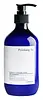
This barrier-repair moisturizer is formulated around Sodium Hyaluronate and Hydroxypropyl Bispalmitamide Mea to strengthen the skin barrier and hydrate skin.


What's inside
What's inside
 Key Ingredients
Benefits
Concerns
Ingredients Side-by-side
Water
Skin ConditioningGlycerin
Humectant


Dipropylene Glycol
HumectantEthylhexyl Palmitate
Emollient




Methylpropanediol
SolventPolyglyceryl-3 Distearate
Emulsifying
Stearyl Alcohol
Emollient
1,2-Hexanediol
Skin Conditioning
Lonicera Japonica Flower Extract
Skin ConditioningSodium Hyaluronate
Humectant


Sodium Hyaluronate Crosspolymer
Humectant
Hydrolyzed Hyaluronic Acid
Humectant
Hyaluronic Acid
Humectant
Hydrolyzed Sodium Hyaluronate
Skin Conditioning
Hydroxypropyl Bispalmitamide Mea
Emollient
Helianthus Annuus Seed Oil
Emollient
Macadamia Ternifolia Seed Oil
Emollient
Butyrospermum Parkii Butter
Skin Conditioning
Palmitic Acid
Emollient
Sorbitan Stearate
Emulsifying
Squalane
Emollient
Caprylic/Capric Triglyceride
Masking
Olea Europaea Fruit Oil
Masking
Stearic Acid
Cleansing
Caprylyl Glycol
Emollient
Carbomer
Emulsion StabilisingGlyceryl Stearate Citrate
Emollient
Xanthan Gum
EmulsifyingMyristic Acid
Cleansing
Lauric Acid
Cleansing
Oleic Acid
Emollient
Butylene Glycol
Humectant
Pentylene Glycol
Skin Conditioning
Ethylhexylglycerin
Skin ConditioningTromethamine
BufferingDisodium EDTA
ChelatingWater, Glycerin, Dipropylene Glycol, Ethylhexyl Palmitate, Methylpropanediol, Polyglyceryl-3 Distearate, Stearyl Alcohol, 1,2-Hexanediol, Lonicera Japonica Flower Extract, Sodium Hyaluronate, Sodium Hyaluronate Crosspolymer, Hydrolyzed Hyaluronic Acid, Hyaluronic Acid, Hydrolyzed Sodium Hyaluronate, Hydroxypropyl Bispalmitamide Mea, Helianthus Annuus Seed Oil, Macadamia Ternifolia Seed Oil, Butyrospermum Parkii Butter, Palmitic Acid, Sorbitan Stearate, Squalane, Caprylic/Capric Triglyceride, Olea Europaea Fruit Oil, Stearic Acid, Caprylyl Glycol, Carbomer, Glyceryl Stearate Citrate, Xanthan Gum, Myristic Acid, Lauric Acid, Oleic Acid, Butylene Glycol, Pentylene Glycol, Ethylhexylglycerin, Tromethamine, Disodium EDTA
Water
Skin ConditioningGlycerin
Humectant
Stearic Acid
Cleansing
Isopropyl Myristate
Emollient
Paraffinum Liquidum
Emollient
Glyceryl Stearate
Emollient
Glycol Stearate
Emollient
Dimethicone
Emollient
PEG-100 Stearate
Surfactant
Petrolatum
Emollient
Cetyl Alcohol
Emollient
Magnesium Aluminum Silicate
Absorbent
Tapioca Starch
Acrylates/C10-30 Alkyl Acrylate Crosspolymer
Emulsion StabilisingParfum
Masking
Xanthan Gum
EmulsifyingStearamide Amp
Foam BoostingDisodium EDTA
ChelatingHelianthus Annuus Seed Oil
Emollient
Avena Sativa Straw Extract
Skin ConditioningPropylene Glycol
Humectant
Lactic Acid
Buffering




Phenoxyethanol
Preservative
Methylparaben
Preservative

Propylparaben
Preservative
Titanium Dioxide
Cosmetic Colorant
Quartz
Abrasive
Limonene
Perfuming
Linalool
Perfuming
Water, Glycerin, Stearic Acid, Isopropyl Myristate, Paraffinum Liquidum, Glyceryl Stearate, Glycol Stearate, Dimethicone, PEG-100 Stearate, Petrolatum, Cetyl Alcohol, Magnesium Aluminum Silicate, Tapioca Starch, Acrylates/C10-30 Alkyl Acrylate Crosspolymer, Parfum, Xanthan Gum, Stearamide Amp, Disodium EDTA, Helianthus Annuus Seed Oil, Avena Sativa Straw Extract, Propylene Glycol, Lactic Acid, Phenoxyethanol, Methylparaben, Propylparaben, Titanium Dioxide, Quartz, Limonene, Linalool
Reviews
Ingredients Explained
These ingredients are found in both products.
Ingredients higher up in an ingredient list are typically present in a larger amount.
Disodium EDTA is a chelating agent. It grabs onto and deactivates metal ions that sneak into your products from water, packaging, or air.
This ingredient mainly works behind the scenes and helps with:
On top of that, this ingredient can counteract the effects of hard water by binding to the minerals in it.
One thing worth knowing is that Disodium EDTA has been shown to be a mild penetration enhancer. It can help other ingredients absorb into skin more effectively which can be a double-edged sword (great for actives, but can also make the active too strong if you have sensitive skin).
Clinical patch testing showed no significant skin irritation at typical use concentrations and minimal dermal absorption.
You'll most likely see this ingredient near the end of an ingredient list. It's typically found in concentrations less than 1%.
Learn more about Disodium EDTAGlycerin (or glycerol) is a compound naturally found in your skin. It's a powerhouse humectant that pulls water into the stratum corneum.
Topically, glycerin does several things at once:
Your skin makes glycerin on its own (mostly from sebaceous oil breakdown) and shuttles it to your outermost layer of skin, or your epidermis, via aquaporin-3.
Aquaporin-3 is a transporter that is essential for normal skin hydration, elasticity, and repair. Interestingly, mice lacking in AQP3 have dry and less elastic skin that can be fully corrected with glycerin.
This ingredient is non-irritating, plays well with almost every ingredient, and works across all skin types. Typical use is anywhere between 3-10% but can go up to 79% in some leave-on products.
Just know very high concentrations (>40%) can feel tacky in low humidity.
Glycerin is the name for this ingredient in American English. British English uses Glycerol/Glycerine.
Learn more about GlycerinHelianthus Annuus Seed Oil is a plant oil derived from the seeds of a sunflower.
It is rich in fatty acids, primarily linoleic acid and oleic acid. This gives it emollient and skin conditioning properties.
The reason this ingredient is so effective is because it forms a thin film on the skin that reduces transepidermal water loss (TEWL) while supplying linoleic acid to the stratum corneum to improve barrier strength.
The high linoleic acid content is particularly noteworthy for acne-prone skin.
Research suggests that acne-prone skin tends to be deficient in linoleic acid in sebum. Topical application may help replenish this to support a healthier follicular environment and less comedone-promoting sebum.
One randomized study found sunflower seed oil preserved skin barrier integrity in adult volunteers with and without atopic dermatitis (outperforming olive oil).
This ingredient is well-studied, gentle, and an effective emollient suitable for most skin types.
On fungal acne: This ingredient may not be Fungal acne (Malassezia folliculitis) safe. This is because it contains fatty acids with carbon chain lengths in the C11-C24 range.
Learn more about Helianthus Annuus Seed OilStearic Acid is a fatty acid that is already found in your skin. It's one of the free fatty acids that works alongside ceramides and cholesterols to maintain your barrier.
In cosmetics, it is a multitasker:
Safety-wise, the CIR Expert Panel has concluded it to be safe in cosmetics when formulated to be non-irritating and non-sensitizing.
Free stearic acid is a C18 fatty acid that the Malassezia yeast can substrate, so this ingredient may not be fungal acne safe.
Learn more about Stearic AcidWater. It's the most common cosmetic ingredient of all. You'll usually see it at the top of ingredient lists, meaning that it makes up the largest part of the product.
So why is it so popular? Water most often acts as a solvent - this means that it helps dissolve other ingredients into the formulation.
You'll also recognize water as that liquid we all need to stay alive. If you see this, drink a glass of water. Remember to stay hydrated!
Learn more about WaterXanthan gum is used as a stabilizer and thickener within cosmetic products. It helps give products a sticky, thick feeling - preventing them from being too runny.
On the technical side of things, xanthan gum is a polysaccharide - a combination consisting of multiple sugar molecules bonded together.
Xanthan gum is a pretty common and great ingredient. It is a natural, non-toxic, non-irritating ingredient that is also commonly used in food products.
Learn more about Xanthan Gum

