Pretty Skin Ampoule Versus Cos De BAHA LH Serum
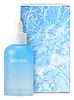
This hydrating ampoule is formulated around Sodium Hyaluronate and Hyaluronic Acid to hydrate skin and strengthen the skin barrier.
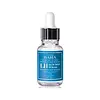
This barrier-repair serum is formulated around Panthenol and Madecassoside to strengthen the skin barrier and calm redness.

What's inside
What's inside
 Key Ingredients
Benefits
Concerns
Ingredients Side-by-side
Water
Skin Conditioning1,2-Hexanediol
Skin Conditioning
Sodium Hyaluronate
Humectant



Sodium Hyaluronate Crosspolymer
Humectant
Hydrolyzed Hyaluronic Acid
Humectant
Hydroxypropyltrimonium Hyaluronate
Hyaluronic Acid
Humectant
Sodium Acetylated Hyaluronate
Humectant
Hydrolyzed Glycosaminoglycans
HumectantMelia Azadirachta Leaf Extract
Skin ConditioningMelia Azadirachta Flower Extract
Skin ConditioningCoccinia Indica Fruit Extract
Skin Conditioning
Vincetoxicum Atratum Extract
Skin ConditioningSolanum Melongena Fruit Extract
Skin ConditioningAloe Barbadensis Flower Extract
EmollientOcimum Sanctum Leaf Extract
Skin ConditioningCurcuma Longa Root Extract
Antioxidant

Corallina Officinalis Extract
Skin Conditioning

Rhodomyrtus Tomentosa Fruit Extract
HumectantMacadamia Ternifolia Seed Oil
Emollient


Methylpropanediol
SolventPEG-60 Hydrogenated Castor Oil
Emulsifying
Benzyl Glycol
SolventButylene Glycol
Humectant
Buteth-3
SolventEthylhexylglycerin
Skin ConditioningPropanediol
Solvent
Alcohol
Antimicrobial


Tributyl Citrate
SolventGlycerin
Humectant
Caprylic/Capric Triglyceride
Masking
Brassica Campestris Sterols
EmollientCholesterol
Emollient
Phytosteryl/Behenyl/Octyldodecyl Lauroyl Glutamate
Skin ConditioningPolyglyceryl-10 Oleate
Skin Conditioning
Hydrogenated Lecithin
Emulsifying
Ceramide NP
Skin Conditioning
Ceramide Ns
Skin Conditioning
Ceramide EOP
Skin Conditioning
Potassium Cetyl Phosphate
EmulsifyingTris(Tetramethylhydroxypiperidinol)Citrate
StabilisingSodium Benzotriazolyl Butylphenol Sulfonate
UV AbsorberDisodium EDTA
ChelatingParfum
Masking
Water, 1,2-Hexanediol, Sodium Hyaluronate, Sodium Hyaluronate Crosspolymer, Hydrolyzed Hyaluronic Acid, Hydroxypropyltrimonium Hyaluronate, Hyaluronic Acid, Sodium Acetylated Hyaluronate, Hydrolyzed Glycosaminoglycans, Melia Azadirachta Leaf Extract, Melia Azadirachta Flower Extract, Coccinia Indica Fruit Extract, Vincetoxicum Atratum Extract, Solanum Melongena Fruit Extract, Aloe Barbadensis Flower Extract, Ocimum Sanctum Leaf Extract, Curcuma Longa Root Extract, Corallina Officinalis Extract, Rhodomyrtus Tomentosa Fruit Extract, Macadamia Ternifolia Seed Oil, Methylpropanediol, PEG-60 Hydrogenated Castor Oil, Benzyl Glycol, Butylene Glycol, Buteth-3, Ethylhexylglycerin, Propanediol, Alcohol, Tributyl Citrate, Glycerin, Caprylic/Capric Triglyceride, Brassica Campestris Sterols, Cholesterol, Phytosteryl/Behenyl/Octyldodecyl Lauroyl Glutamate, Polyglyceryl-10 Oleate, Hydrogenated Lecithin, Ceramide NP, Ceramide Ns, Ceramide EOP, Potassium Cetyl Phosphate, Tris(Tetramethylhydroxypiperidinol)Citrate, Sodium Benzotriazolyl Butylphenol Sulfonate, Disodium EDTA, Parfum
Water
Skin ConditioningButylene Glycol
Humectant
Propanediol
Solvent
Dipropylene Glycol
Humectant1,2-Hexanediol
Skin Conditioning
Betaine
Humectant
Panthenol
Skin Conditioning
Sodium Hyaluronate
Humectant
Hydrolyzed Hyaluronic Acid
Humectant
Allantoin
Skin Conditioning
Madecassoside
Antioxidant
Asiatic Acid
Skin Conditioning
Madecassic Acid
Skin Conditioning
Asiaticoside
Antioxidant
Adenosine
Skin Conditioning
Ceramide NP
Skin Conditioning
Polyglyceryl-10 Laurate
Skin Conditioning
Caprylyl Glycol
Emollient
Tropolone
Skin ConditioningAcrylates/C10-30 Alkyl Acrylate Crosspolymer
Emulsion StabilisingTromethamine
BufferingArtemisia Vulgaris Extract
Skin Conditioning
Melissa Officinalis Leaf Extract
Skin ConditioningLavandula Angustifolia Flower Extract
Cleansing
Rosa Damascena Extract
MaskingCamellia Sinensis Leaf Extract
Antimicrobial


Water, Butylene Glycol, Propanediol, Dipropylene Glycol, 1,2-Hexanediol, Betaine, Panthenol, Sodium Hyaluronate, Hydrolyzed Hyaluronic Acid, Allantoin, Madecassoside, Asiatic Acid, Madecassic Acid, Asiaticoside, Adenosine, Ceramide NP, Polyglyceryl-10 Laurate, Caprylyl Glycol, Tropolone, Acrylates/C10-30 Alkyl Acrylate Crosspolymer, Tromethamine, Artemisia Vulgaris Extract, Melissa Officinalis Leaf Extract, Lavandula Angustifolia Flower Extract, Rosa Damascena Extract, Camellia Sinensis Leaf Extract
Ingredients Explained
These ingredients are found in both products.
Ingredients higher up in an ingredient list are typically present in a larger amount.
1,2-Hexanediol is a synthetic liquid and another multi-functional powerhouse.
It is a:
- Humectant, drawing moisture into the skin
- Emollient, helping to soften skin
- Solvent, dispersing and stabilizing formulas
- Preservative booster, enhancing the antimicrobial activity of other preservatives
Butylene Glycol (or BG) is used within cosmetic products for a few different reasons:
Overall, Butylene Glycol is a safe and well-rounded ingredient that works well with other ingredients.
Though this ingredient works well with most skin types, some people with sensitive skin may experience a reaction such as allergic rashes, closed comedones, or itchiness.
Learn more about Butylene GlycolCeramide NP (formerly known as Ceramide 3) is one of the skin's naturally occurring lipids.
Since ceramides are the major lipid components of the skin, they are crucial for maintaining skin barrier and hydration. Ceramide NP most closely mirrors the dominant kind in human skin amongst ceramide subtypes.
This ceramide works by slotting into gaps within the stratum corneum's lipid matrix to limit trans-epidermal water loss (TEWL) and shield the skin against external irritants.
A study with 312 patients found that using a ceramide-containing routine for 4 weeks reduced the severity of atopic dermatitis by over 61%.
Another clinical study in subjects aged 60 and older found that a ceramide body wash and moisturizer improved skin dryness and itchy skin in 15 days.
Overall, ceramides are considered non-irritating and safety tests have found little to no observable adverse effects from using this ingredient.
Ceramide NP is usually sourced from plants (like soybean or rice bran), or produced synthetically.
Learn more about Ceramide NPHydrolyzed Hyaluronic Acid is hyaluronic acid (HA) that is broken down into lower molecular weight fragments.
It's a humectant that pulls and holds water in the skin to help with hydration, plumpness, and reduce transepidermal water loss.
Because hydrolyzed hyaluronic acid is smaller in size, it can slip past your outermost layer of skin more easily than full-sized HA.
Most formulations will combine all sizes to get the best of both worlds.
Typical usage levels range from 0.01-1%. Any percentage higher than 2% might become goopy and tacky.
Learn more about Hydrolyzed Hyaluronic AcidPropanediol is an all-star ingredient. It softens, hydrates, and smooths the skin.
It’s often used to:
Propanediol is not likely to cause sensitivity and considered safe to use. It is derived from corn or petroleum with a clear color and no scent.
Learn more about PropanediolSodium Hyaluronate is the salt form of hyaluronic acid. It is a long sugar chain that is naturally found in your skin, joints, and connective tissue that maintains hydration and elasticity.
In skincare, it works as a humectant. It pulls water from the environment and deeper layers of skin and binds it to the surface.
Interestingly, the size of the molecule affects its behavior:
Some clinical evidence links low molecular weight versions to improved wrinkle depth, elasticity, anti-inflammatory effects, and barrier repair.
Many serums use a blend of both weights so you can get surface hydration plus longer-lasting and deeper effects.
You'll typically see concentrations between 0.1-2% for this ingredient.
Learn more about Sodium HyaluronateWater. It's the most common cosmetic ingredient of all. You'll usually see it at the top of ingredient lists, meaning that it makes up the largest part of the product.
So why is it so popular? Water most often acts as a solvent - this means that it helps dissolve other ingredients into the formulation.
You'll also recognize water as that liquid we all need to stay alive. If you see this, drink a glass of water. Remember to stay hydrated!
Learn more about Water

