

What's inside
What's inside
 Key Ingredients
Benefits
Concerns
Ingredients Side-by-side
Water
Skin ConditioningAscorbic Acid
Antioxidant








Ethoxydiglycol
HumectantPropanediol
Solvent
Glycerin
Humectant
Citrus Grandis
Sodium Hydroxide
BufferingAloe Barbadensis Leaf Juice
Skin Conditioning
Sodium Hyaluronate
Humectant
Citrus Limon Peel Extract
EmollientCitrus Nobilis
Citrus Aurantium Dulcis Fruit Extract
MaskingFerulic Acid
Antimicrobial
Tocopherol
Antioxidant
Caffeine
Skin Conditioning
Microcitrus Australis Fruit Extract
Skin ConditioningMicrocitrus Australasica Fruit Extract
Beta-Carotene
Skin ConditioningLecithin
Emollient
Citrus Glauca Fruit Extract
HumectantPanthenol
Skin Conditioning
Daucus Carota Sativa Root Extract
Skin Conditioning
Citrus Aurantium Dulcis Peel Extract
Emulsion Stabilising
Citrus Grandis Fruit Extract
Astringent
Citrus Junos Peel Extract
Skin ConditioningMentha Piperita Extract
CleansingMelaleuca Alternifolia Flower/Leaf/Stem Extract
Skin Conditioning
Retinol
Skin Conditioning


Xanthan Gum
EmulsifyingLeuconostoc/Radish Root Ferment Filtrate
Antimicrobial
Punica Granatum Extract
AstringentPhenoxyethanol
Preservative
Hydroxypropyl Cyclodextrin
MaskingPolysorbate 20
Emulsifying
Phospholipids
Skin Conditioning
Glycine Soja Oil
Emollient

Caprylic/Capric Triglyceride
Masking
Sodium Acrylates Copolymer
Sodium Benzoate
Masking
Potassium Sorbate
Preservative
Sodium Sorbate
Preservative
Citric Acid
Buffering
Ethylhexylglycerin
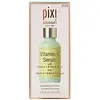
Skin ConditioningWater, Ascorbic Acid, Ethoxydiglycol, Propanediol, Glycerin, Citrus Grandis, Sodium Hydroxide, Aloe Barbadensis Leaf Juice, Sodium Hyaluronate, Citrus Limon Peel Extract, Citrus Nobilis, Citrus Aurantium Dulcis Fruit Extract, Ferulic Acid, Tocopherol, Caffeine, Microcitrus Australis Fruit Extract, Microcitrus Australasica Fruit Extract, Beta-Carotene, Lecithin, Citrus Glauca Fruit Extract, Panthenol, Daucus Carota Sativa Root Extract, Citrus Aurantium Dulcis Peel Extract, Citrus Grandis Fruit Extract, Citrus Junos Peel Extract, Mentha Piperita Extract, Melaleuca Alternifolia Flower/Leaf/Stem Extract, Retinol, Xanthan Gum, Leuconostoc/Radish Root Ferment Filtrate, Punica Granatum Extract, Phenoxyethanol, Hydroxypropyl Cyclodextrin, Polysorbate 20, Phospholipids, Glycine Soja Oil, Caprylic/Capric Triglyceride, Sodium Acrylates Copolymer, Sodium Benzoate, Potassium Sorbate, Sodium Sorbate, Citric Acid, Ethylhexylglycerin
Water
Skin ConditioningPropanediol
Solvent
Alcohol
Antimicrobial




Glycerin
Humectant
Betaine
Humectant
1,2-Hexanediol
Skin Conditioning
Saccharide Isomerate
Humectant
Camellia Sinensis Seed Oil
Humectant
Cetearyl Olivate
Hydrogenated Lecithin
Emulsifying
Sorbitan Olivate
Emulsifying
Acrylates/C10-30 Alkyl Acrylate Crosspolymer
Emulsion StabilisingParfum
Masking
Panthenol
Skin Conditioning
Hydroxyethyl Acrylate/Sodium Acryloyldimethyl Taurate Copolymer
Emulsion StabilisingTromethamine
BufferingCeratonia Siliqua Gum
EmollientEthylhexylglycerin
Skin ConditioningDisodium EDTA
Camellia Sinensis Leaf Extract
Antimicrobial
Dextrin
AbsorbentTheobroma Cacao Extract
Skin ConditioningSorbitan Isostearate
Emulsifying
Sodium Citrate
BufferingCitric Acid
Buffering
Sucrose
Humectant
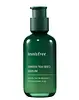
Water, Propanediol, Alcohol, Glycerin, Betaine, 1,2-Hexanediol, Saccharide Isomerate, Camellia Sinensis Seed Oil, Cetearyl Olivate, Hydrogenated Lecithin, Sorbitan Olivate, Acrylates/C10-30 Alkyl Acrylate Crosspolymer, Parfum, Panthenol, Hydroxyethyl Acrylate/Sodium Acryloyldimethyl Taurate Copolymer, Tromethamine, Ceratonia Siliqua Gum, Ethylhexylglycerin, Disodium EDTA, Camellia Sinensis Leaf Extract, Dextrin, Theobroma Cacao Extract, Sorbitan Isostearate, Sodium Citrate, Citric Acid, Sucrose
Reviews
Ingredients Explained
These ingredients are found in both products.
Ingredients higher up in an ingredient list are typically present in a larger amount.
Citric Acid is an alpha hydroxy acid (AHA) naturally found in citrus fruits like oranges, lemons, and limes.
Like other AHAs, citric acid can exfoliate skin by breaking down the bonds that hold dead skin cells together. This helps reveal smoother and brighter skin underneath.
However, this exfoliating effect only happens at high concentrations (20%) which can be hard to find in cosmetic products.
Due to this, citric acid is usually included in small amounts as a pH adjuster. This helps keep products slightly more acidic and compatible with skin's natural pH.
In skincare formulas, citric acid can:
While it can provide some skin benefits, research shows lactic acid and glycolic acid are generally more effective and less irritating exfoliants.
Most citric acid used in skincare today is made by fermenting sugars (usually from molasses). This synthetic version is identical to the natural citrus form but easier to stabilize and use in formulations.
Read more about some other popular AHA's here:
Learn more about Citric AcidEthylhexylglycerin (we can't pronounce this either) is commonly used as a preservative and skin softener. It is derived from glyceryl.
You might see Ethylhexylglycerin often paired with other preservatives such as phenoxyethanol. Ethylhexylglycerin has been found to increase the effectiveness of these other preservatives.
Glycerin is already naturally found in your skin. It helps moisturize and protect your skin.
A study from 2016 found glycerin to be more effective as a humectant than AHAs and hyaluronic acid.
As a humectant, it helps the skin stay hydrated by pulling moisture to your skin. The low molecular weight of glycerin allows it to pull moisture into the deeper layers of your skin.
Hydrated skin improves your skin barrier; Your skin barrier helps protect against irritants and bacteria.
Glycerin has also been found to have antimicrobial and antiviral properties. Due to these properties, glycerin is often used in wound and burn treatments.
In cosmetics, glycerin is usually derived from plants such as soybean or palm. However, it can also be sourced from animals, such as tallow or animal fat.
This ingredient is organic, colorless, odorless, and non-toxic.
Glycerin is the name for this ingredient in American English. British English uses Glycerol/Glycerine.
Learn more about GlycerinPanthenol is a common ingredient that helps hydrate and soothe the skin. It is found naturally in our skin and hair.
There are two forms of panthenol: D and L.
D-panthenol is also known as dexpanthenol. Most cosmetics use dexpanthenol or a mixture of D and L-panthenol.
Panthenol is famous due to its ability to go deeper into the skin's layers. Using this ingredient has numerous pros (and no cons):
Like hyaluronic acid, panthenol is a humectant. Humectants are able to bind and hold large amounts of water to keep skin hydrated.
This ingredient works well for wound healing. It works by increasing tissue in the wound and helps close open wounds.
Once oxidized, panthenol converts to pantothenic acid. Panthothenic acid is found in all living cells.
This ingredient is also referred to as pro-vitamin B5.
Learn more about PanthenolPropanediol is an all-star ingredient. It softens, hydrates, and smooths the skin.
It’s often used to:
Propanediol is not likely to cause sensitivity and considered safe to use. It is derived from corn or petroleum with a clear color and no scent.
Learn more about PropanediolWater. It's the most common cosmetic ingredient of all. You'll usually see it at the top of ingredient lists, meaning that it makes up the largest part of the product.
So why is it so popular? Water most often acts as a solvent - this means that it helps dissolve other ingredients into the formulation.
You'll also recognize water as that liquid we all need to stay alive. If you see this, drink a glass of water. Stay hydrated!
Learn more about Water
