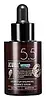
This brightening serum is formulated around Niacinamide to brighten dull-looking skin and calm redness.
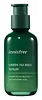
This hydrating serum is formulated around Camellia Sinensis Seed Oil and Panthenol to hydrate skin and calm redness.

What's inside
What's inside
 Key Ingredients
Benefits
Concerns
Ingredients Side-by-side
Glycyrrhiza Glabra Root Water
Antioxidant
Methylpropanediol
SolventGlycerin
Humectant


1,2-Hexanediol
Skin Conditioning
Butylene Glycol
Humectant
Polyglycerin-3
Humectant
Caprylic/Capric Triglyceride
Masking
Niacinamide
Smoothing









Propylheptyl Caprylate
EmollientWater
Skin ConditioningAmmonium Acryloyldimethyltaurate/Vp Copolymer
Xanthan Gum
EmulsifyingSodium Citrate
BufferingEthylhexylglycerin
Skin ConditioningCitric Acid
Buffering

Carbomer
Emulsion StabilisingGlyceryl Polymethacrylate
Disodium EDTA
Adenosine
Skin Conditioning
Tromethamine
BufferingPolyquaternium-51
Skin Conditioning
Sodium Hyaluronate
Humectant
Avena Sativa Kernel Extract
Abrasive
Beta-Glucan
Skin Conditioning
Hydrogenated Lecithin
Emulsifying
Cynara Scolymus Leaf Extract
Skin ConditioningPteris Multifida Extract
Antioxidant
Dextrin
AbsorbentTheobroma Cacao Seed Extract
Antioxidant
Dipropylene Glycol
HumectantGlycyrrhiza Uralensis Root Extract
Skin Conditioning
Tocopherol
Antioxidant
Solanum Melongena Fruit Extract
Skin ConditioningGlutathione
Pinus Pinaster Bark Extract
Antioxidant
Glycyrrhiza Glabra Root Water, Methylpropanediol, Glycerin, 1,2-Hexanediol, Butylene Glycol, Polyglycerin-3, Caprylic/Capric Triglyceride, Niacinamide, Propylheptyl Caprylate, Water, Ammonium Acryloyldimethyltaurate/Vp Copolymer, Xanthan Gum, Sodium Citrate, Ethylhexylglycerin, Citric Acid, Carbomer, Glyceryl Polymethacrylate, Disodium EDTA, Adenosine, Tromethamine, Polyquaternium-51, Sodium Hyaluronate, Avena Sativa Kernel Extract, Beta-Glucan, Hydrogenated Lecithin, Cynara Scolymus Leaf Extract, Pteris Multifida Extract, Dextrin, Theobroma Cacao Seed Extract, Dipropylene Glycol, Glycyrrhiza Uralensis Root Extract, Tocopherol, Solanum Melongena Fruit Extract, Glutathione, Pinus Pinaster Bark Extract
Water
Skin ConditioningPropanediol
Solvent
Alcohol
Antimicrobial



Glycerin
Humectant
Betaine
Humectant
1,2-Hexanediol
Skin Conditioning
Saccharide Isomerate
Humectant
Camellia Sinensis Seed Oil
Humectant

Cetearyl Olivate
Hydrogenated Lecithin
Emulsifying
Sorbitan Olivate
Emulsifying
Acrylates/C10-30 Alkyl Acrylate Crosspolymer
Emulsion StabilisingParfum
Masking

Panthenol
Skin Conditioning
Hydroxyethyl Acrylate/Sodium Acryloyldimethyl Taurate Copolymer
Emulsion StabilisingTromethamine
BufferingCeratonia Siliqua Gum
EmollientEthylhexylglycerin
Skin ConditioningDisodium EDTA
Camellia Sinensis Leaf Extract
Antimicrobial
Dextrin
AbsorbentTheobroma Cacao Extract
Skin ConditioningSorbitan Isostearate
Emulsifying
Sodium Citrate
BufferingCitric Acid
Buffering
Sucrose
Humectant
Water, Propanediol, Alcohol, Glycerin, Betaine, 1,2-Hexanediol, Saccharide Isomerate, Camellia Sinensis Seed Oil, Cetearyl Olivate, Hydrogenated Lecithin, Sorbitan Olivate, Acrylates/C10-30 Alkyl Acrylate Crosspolymer, Parfum, Panthenol, Hydroxyethyl Acrylate/Sodium Acryloyldimethyl Taurate Copolymer, Tromethamine, Ceratonia Siliqua Gum, Ethylhexylglycerin, Disodium EDTA, Camellia Sinensis Leaf Extract, Dextrin, Theobroma Cacao Extract, Sorbitan Isostearate, Sodium Citrate, Citric Acid, Sucrose
Reviews
Ingredients Explained
These ingredients are found in both products.
Ingredients higher up in an ingredient list are typically present in a larger amount.
1,2-Hexanediol is a synthetic liquid and another multi-functional powerhouse.
It is a:
- Humectant, drawing moisture into the skin
- Emollient, helping to soften skin
- Solvent, dispersing and stabilizing formulas
- Preservative booster, enhancing the antimicrobial activity of other preservatives
Citric Acid is an alpha hydroxy acid (AHA) naturally found in citrus fruits like oranges, lemons, and limes.
Like other AHAs, citric acid can exfoliate skin by breaking down the bonds that hold dead skin cells together. This helps reveal smoother and brighter skin underneath.
However, this exfoliating effect only happens at high concentrations (20%) which can be hard to find in cosmetic products.
Due to this, citric acid is usually included in small amounts as a pH adjuster. This helps keep products slightly more acidic and compatible with skin's natural pH.
In skincare formulas, citric acid can:
While it can provide some skin benefits, research shows lactic acid and glycolic acid are generally more effective and less irritating exfoliants.
Most citric acid used in skincare today is made by fermenting sugars (usually from molasses). This synthetic version is identical to the natural citrus form but easier to stabilize and use in formulations.
Read more about some other popular AHA's here:
Learn more about Citric AcidDextrin is a starch-derived polysaccharide. It's made by partially breaking down corn, potato, or other plant starches.
Think of it as "half-processed" starch; it's less complex than the original but not fully broken down into sugar like maltodextrin.
In cosmetics, it mainly functions as a bulking agent, viscosity controller, binder, and absorbent. It helps thicken products, stabilize powders, and get certain textures a less "wet" feel.
This ingredient has a pretty solid safety profile; it's recognized as a safe food additive and its large molecular size means it doesn't meaningfully penetrate skin.
Human repeat insult patch tests using a rinse-off facial product containing 42.69% dextrin found no skin irritation or sensitization in 54 subjects.
Typical real-world usage is much lower: usually under 1% as a texture modifier and up to 40% in masks (rinse off products use less).
Learn more about DextrinDisodium EDTA is a chelating agent. It grabs onto and deactivates metal ions that sneak into your products from water, packaging, or air.
This ingredient mainly works behind the scenes and helps with:
On top of that, this ingredient can counteract the effects of hard water by binding to the minerals in it.
One thing worth knowing is that Disodium EDTA has been shown to be a mild penetration enhancer. It can help other ingredients absorb into skin more effectively which can be a double-edged sword (great for actives, but can also make the active too strong if you have sensitive skin).
Clinical patch testing showed no significant skin irritation at typical use concentrations and minimal dermal absorption.
You'll most likely see this ingredient near the end of an ingredient list. It's typically found in concentrations less than 1%.
Learn more about Disodium EDTAEthylhexylglycerin is created from glycerin. It is a multitasker ingredient that:
The CIR Expert Panel found minimal skin absorption or sensitization of any kind in a safety assessment. Though this ingredient is considered well-tolerated, a small number of cases of allergic dermatitis have been published since 2002. Just be sure to patch test if you are unsure.
Industry-reported use ranges from 8% in rinse-off products and 2% in leave-on formulations.
Learn more about EthylhexylglycerinGlycerin (or glycerol) is a compound naturally found in your skin. It's a powerhouse humectant that pulls water into the stratum corneum.
Topically, glycerin does several things at once:
Your skin makes glycerin on its own (mostly from sebaceous oil breakdown) and shuttles it to your outermost layer of skin, or your epidermis, via aquaporin-3.
Aquaporin-3 is a transporter that is essential for normal skin hydration, elasticity, and repair. Interestingly, mice lacking in AQP3 have dry and less elastic skin that can be fully corrected with glycerin.
This ingredient is non-irritating, plays well with almost every ingredient, and works across all skin types. Typical use is anywhere between 3-10% but can go up to 79% in some leave-on products.
Just know very high concentrations (>40%) can feel tacky in low humidity.
Glycerin is the name for this ingredient in American English. British English uses Glycerol/Glycerine.
Learn more about GlycerinHydrogenated Lecithin is a more stable version of lecithin.
It's made by taking lecithin (a phospholipid commonly found in soybeans and egg yolks) and hydrogenating it. This just means the unsaturated fatty acids are turned into saturated ones so they don't go bad as easily.
This ingredient is an emollient, emulsifier, and penetration enhancer. As an emollient, it helps soften and hydrate skin by trapping moisture within. As an emulsifier, it prevents oil and water ingredients from separating.
Hydrogenated Lecithin can form tiny spherical structures made of phospholipid bilayers called liposomes. These liposomes are able to capture compounds inside their structure and deliver them through the skin barrier.
Because phospholipids are a natural component of our cell membranes, this ingredient is inherently compatible with skin.
A 2021 study found lecithin-based surfactants were less harsh and more tolerable comared to Sodium Lauryl Sulfate (SLS).
Learn more about Hydrogenated LecithinSodium Citrate is the sodium salts of citric acid. In skincare, it is used to alter pH levels and acts as a preservative.
Its main functions are to maintain the pH of a product and neutralize metal ions.
The acidity of our skin is maintained by our glands and skin biome; normal pH level of skin is slightly acidic (~4.75-5.5).
Being slightly acidic allows our skin to create an "acid mantle". This acid mantle is a thin barrier that protects our skin from bacteria and contaminants.
Learn more about Sodium CitrateTromethamine (aka THAM) is a synthetic amino acid that shows up in skincare as a helper ingredient.
It functions as a pH adjuster to help neutralize acidic ingredients and set a formula's pH to the right spot.
This matters a lot because a lot of actives (like vitamin C) needs a specific pH to work well and feel comfortable on skin.
Concentration use ranges from 0.1-1.0% depending on the formula.
Learn more about TromethamineWater. It's the most common cosmetic ingredient of all. You'll usually see it at the top of ingredient lists, meaning that it makes up the largest part of the product.
So why is it so popular? Water most often acts as a solvent - this means that it helps dissolve other ingredients into the formulation.
You'll also recognize water as that liquid we all need to stay alive. If you see this, drink a glass of water. Remember to stay hydrated!
Learn more about Water

