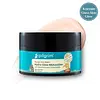
This barrier-repair moisturizer is formulated around Niacinamide and Oryza Sativa Extract to strengthen the skin barrier and hydrate skin.
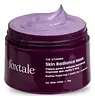
This wash off mask is made with Kaolin and Lactic Acid for a rinse-off oil-control boost.

What's inside
What's inside
 Key Ingredients
Benefits
Concerns
Ingredients Side-by-side
Water
Skin ConditioningNiacinamide
Smoothing











Caprylic/Capric Triglyceride
Masking

Propanediol
Solvent
Pentylene Glycol
Skin Conditioning
Morus Alba Extract
AstringentOryza Sativa Extract
Absorbent
Laminaria Digitata Extract
Skin Protecting

Tocopheryl Acetate
Antioxidant

Ceramide EOP
Skin Conditioning
Ceramide Ns
Skin Conditioning
Ceramide NP
Skin Conditioning
Ceramide As
Skin Conditioning
Ceramide AP
Skin Conditioning
Phenoxyethanol
Preservative
Anhydroxylitol
Humectant
Xylitylglucoside
Humectant
Sodium Hyaluronate
Humectant
Polyisobutene
Acrylates/C10-30 Alkyl Acrylate Crosspolymer
Emulsion StabilisingPolyacrylate-13
Xylitol
Humectant
Ethylhexylglycerin
Skin ConditioningPolysorbate 20
Emulsifying

Sorbitan Isostearate
Emulsifying
Cetyl-Pg Hydroxyethyl Palmitamide
Skin ConditioningCholesterol
Emollient
Hydrogenated Lecithin
Emulsifying
Sodium Benzoate
Masking
Potassium Sorbate
Preservative
Pentaerythrityl Tetra-Di-T-Butyl Hydroxyhydrocinnamate
Antioxidant
Sodium Gluconate
ChelatingSodium Hydroxide
BufferingParfum
Masking


CI 16185
Cosmetic ColorantCI 15985
Cosmetic ColorantWater, Niacinamide, Caprylic/Capric Triglyceride, Propanediol, Pentylene Glycol, Morus Alba Extract, Oryza Sativa Extract, Laminaria Digitata Extract, Tocopheryl Acetate, Ceramide EOP, Ceramide Ns, Ceramide NP, Ceramide As, Ceramide AP, Phenoxyethanol, Anhydroxylitol, Xylitylglucoside, Sodium Hyaluronate, Polyisobutene, Acrylates/C10-30 Alkyl Acrylate Crosspolymer, Polyacrylate-13, Xylitol, Ethylhexylglycerin, Polysorbate 20, Sorbitan Isostearate, Cetyl-Pg Hydroxyethyl Palmitamide, Cholesterol, Hydrogenated Lecithin, Sodium Benzoate, Potassium Sorbate, Pentaerythrityl Tetra-Di-T-Butyl Hydroxyhydrocinnamate, Sodium Gluconate, Sodium Hydroxide, Parfum, CI 16185, CI 15985
Water
Skin ConditioningKaolin
Abrasive
Glycerin
Humectant
C15-19 Alkane
SolventBehenyl Alcohol
Emollient
Paraffinum Liquidum
Emollient

Xylitylglucoside
Humectant
Anhydroxylitol
Humectant
Xylitol
Humectant
PEG-8
HumectantPEG-40 Hydrogenated Castor Oil
Emulsifying
Polyacrylate-13
Polyisobutene
Polysorbate 20
Emulsifying
Betaine
Humectant
Silica
Abrasive
Cetearyl Alcohol
Emollient
Cetearyl Glucoside
Emulsifying
Titanium Dioxide
Cosmetic Colorant

Dimethicone
Emollient
Phenoxyethanol
Preservative
Allantoin
Skin Conditioning
C20-22 Alkyl Phosphate
EmulsifyingC20-22 Alcohols
Emulsion Stabilising
Acacia Senegal Gum
MaskingXanthan Gum
EmulsifyingEthylhexylglycerin
Skin ConditioningOctenidine Hcl
AntimicrobialCitric Acid
Buffering
Sodium Benzoate
Masking
Disodium EDTA
ChelatingMenthone Glycerin Acetal
Refreshing
Menthol
Masking

Lactic Acid
Buffering
Parfum
Masking
CI 12490
Cosmetic ColorantCI 74160
Cosmetic ColorantWater, Kaolin, Glycerin, C15-19 Alkane, Behenyl Alcohol, Paraffinum Liquidum, Xylitylglucoside, Anhydroxylitol, Xylitol, PEG-8, PEG-40 Hydrogenated Castor Oil, Polyacrylate-13, Polyisobutene, Polysorbate 20, Betaine, Silica, Cetearyl Alcohol, Cetearyl Glucoside, Titanium Dioxide, Dimethicone, Phenoxyethanol, Allantoin, C20-22 Alkyl Phosphate, C20-22 Alcohols, Acacia Senegal Gum, Xanthan Gum, Ethylhexylglycerin, Octenidine Hcl, Citric Acid, Sodium Benzoate, Disodium EDTA, Menthone Glycerin Acetal, Menthol, Lactic Acid, Parfum, CI 12490, CI 74160
Reviews
Ingredients Explained
These ingredients are found in both products.
Ingredients higher up in an ingredient list are typically present in a larger amount.
This ingredient is created from dehydrating xylitol in acidic conditions. Xylitol is a famous sugar and humectant.
Much like its predecessor, anhydroxylitol is a humectant. Humectants attract and hold water to moisturize the skin.
This ingredient is most commonly found in a popular trio called Aquaxyl. Aquaxyl is made up of anhydroxylitol (24 - 34%), xylitylglucoside (35 - 50%), and xylitol (5 - 15%).
According to a manufacturer, Aquaxyl is known for a 3-D hydration concept and an anti-dehydration shield to reinforce the outer layer of skin.
This ingredient is often derived from plants such as wood and sugarcane.
Learn more about AnhydroxylitolEthylhexylglycerin is created from glycerin. It is a multitasker ingredient that:
The CIR Expert Panel found minimal skin absorption or sensitization of any kind in a safety assessment. Though this ingredient is considered well-tolerated, a small number of cases of allergic dermatitis have been published since 2002. Just be sure to patch test if you are unsure.
Industry-reported use ranges from 8% in rinse-off products and 2% in leave-on formulations.
Learn more about EthylhexylglycerinParfum is a catch-all term for an ingredient or more that is used to give a scent to products.
Also called "fragrance", this ingredient can be a blend of hundreds of chemicals or plant oils. This means every product with "fragrance" or "parfum" in the ingredients list is a different mixture.
For instance, Habanolide is a proprietary trade name for a specific aroma chemical. When used as a fragrance ingredient in cosmetics, most aroma chemicals fall under the broad labeling category of “FRAGRANCE” or “PARFUM” according to EU and US regulations.
The term 'parfum' or 'fragrance' is not regulated in many countries. In many cases, it is up to the brand to define this term.
For instance, many brands choose to label themselves as "fragrance-free" because they are not using synthetic fragrances. However, their products may still contain ingredients such as essential oils that are considered a fragrance by INCI standards.
One example is Calendula flower extract. Calendula is an essential oil that still imparts a scent or 'fragrance'.
Depending on the blend, the ingredients in the mixture can cause allergies and sensitivities on the skin. Some ingredients that are known EU allergens include linalool and citronellol.
Parfum can also be used to mask or cover an unpleasant scent.
The bottom line is: not all fragrances/parfum/ingredients are created equally. If you are worried about fragrances, we recommend taking a closer look at an ingredient. And of course, we always recommend speaking with a professional.
Learn more about ParfumPhenoxyethanol is one of the most widely used preservatives in skincare (and for good reason!).
It has a large spectrum of antimicrobial activity and especially effective bacteria, yeast, and mold while only having a weak effect on your skin's natural microbiome.
On a cellular level, it disrupts the cell membranes of microbes by poking holes that make the cell leak. This shuts down the chemical reactions the microbe needs to make energy so it can no longer survive.
Another perk of this ingredient is that it stays functional across a wide pH range (3-10).
You'll often see it paired with boosters like Ethylhexylglycerin; one study showed that a 1:9 ratio of Ethylhexylglycerin to Phenoxyethanol damages bacterial membranes as effectively as doubling the Phenoxyethanol concentration on its own.
Typical use concentrations range from 0.3-1% depending on the formula, and this ingredient is capped at 1% int the EU.
Safety-wise, the fear mongering does not hold up to the evidence. The EU's Scientific Committee on Consumer Safety and FDA consider it safe as a preservative at up to 1%, including for children of all ages.
Adverse systemic effects only showed up in animal studies at exposures roughly 200x higher than what people get from cosmetics. And despite its very widespread use, this ingredient is a rare sensitizer and allergic reactions are uncommon.
Learn more about PhenoxyethanolPolyacrylate-13 is a type of acrylate polymer. Acrylate polymers are commonly used as adhesives in cosmetics.
Polyacrylate-13 creates a film to protect the skin. It is also used to thicken and stabilize a product. It works by making water a gel-like consistency. This gel consistency helps suspend particles.
Polyacrylate-13 is a copolymer of acrylic acid, acrylamide, sodium acrylate, sodium acryloyldimethyltaurate monomers
Learn more about Polyacrylate-13Polyisobutene is a synthetic polymer made from isobutene.
It is a film-forming agent and helps bind ingredients together.
Polyisobutene is not absorbed by the skin.
Learn more about PolyisobutenePolysorbate 20 is a gentle, water-soluble emulsifier and mild surfactant. It stops oil and water from separating to keep your formulas blended and stable.
It also acts as a mild penetration enhancer by helping active ingredients absorb slightly better.
The common safety discussion around this ingredient involves a manufacturing byproduct called 1,4-dioxane.
Trace amounts can form during production but the EU's Scientific Committee on Consumer Safety has concluded that levels at/below 10 ppm in finished products are safe (commercial products consistently fall within acceptable margins).
True allergic reactions are uncommon and the CIR Expert Panel has confirmed this ingredient to be safe as used in cosmetics.
Because it is derived from lauric acid, it may not be fungal acne safe.
Learn more about Polysorbate 20Sodium Benzoate is a preservative. It's used in both cosmetic and food products to inhibit the growth of mold and bacteria. It is typically produced synthetically.
Both the US FDA and EU Health Committee have approved the use of sodium benzoate. In the US, levels of 0.1% (of the total product) are allowed.
Sodium benzoate works as a preservative by inhibiting the growth of bacteria inside of cells. It prevents the cell from fermenting a type of sugar using an enzyme called phosphofructokinase.
It is the salt of benzoic acid. Foods containing sodium benzoate include soda, salad dressings, condiments, fruit juices, wines, and snack foods.
Studies for using ascorbic acid and sodium benzoate in cosmetics are lacking, especially in skincare routines with multiple steps.
We always recommend speaking with a professional, such as a dermatologist, if you have any concerns.
Learn more about Sodium BenzoateWater. It's the most common cosmetic ingredient of all. You'll usually see it at the top of ingredient lists, meaning that it makes up the largest part of the product.
So why is it so popular? Water most often acts as a solvent - this means that it helps dissolve other ingredients into the formulation.
You'll also recognize water as that liquid we all need to stay alive. If you see this, drink a glass of water. Remember to stay hydrated!
Learn more about WaterXylitol is a humectant and prebiotic. It can help with dry skin.
In studies, xylitol has been shown to improve dry skin. It decreased transepidermal water loss, or when water passes through the skin and evaporates. Xylitol also showed to help improve the biomechanical properties of the skin barrier.
The prebiotic property of xylitol may also help reinforce our skin's natural microbiome. Having a healthy microbiome prevents infection by bad bacteria and helps with hydration.
As a humectant, Xylitol helps draw moisture from both the air and from deeper skin layers. This helps keep skin hydrated.
Xylitol is a sugar alcohol and commonly used as a sugar substitute. It is naturally occurring in plants such as strawberries and pumpkin.
Learn more about XylitolXylitylglucoside is created from xylitol and glucose, two humectants.
Not surprisingly, this ingredient is also a humectant. It attracts and holds water in your skin, helping to maintain hydration.
This ingredient is most commonly found in a popular trio called Aquaxyl. Aquaxyl is made up of anhydroxylitol(24 - 34%), xylitylglucoside (35 - 50%), and xylitol (5 - 15%).
According to a manufacturer, Aquaxyl is known for a 3-D hydration concept and an anti-dehydration shield to reinforce the outer layer of skin.
Learn more about Xylitylglucoside


