Philosophy Dose Of Wisdom Dark Circle Brightening Eye Cream Versus Dermalogica Awaken Peptide Depuffing Eye Gel
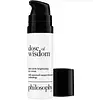
This brightening eye moisturizer is formulated around 3-O-Ethyl Ascorbic Acid and Caffeine to brighten dull-looking skin and fade the look of dark spots.
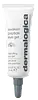
This anti-aging eye moisturizer is formulated around Palmitoyl Tetrapeptide-7 and Caffeine to soften the look of wrinkles and calm redness.

What's inside
What's inside
 Key Ingredients
Benefits
Concerns
Ingredients Side-by-side
Water
Skin ConditioningGlycerin
Humectant


Pentaerythrityl Tetraethylhexanoate
Emollient
Propanediol
Solvent
Hydroxyethyl Acrylate/Sodium Acryloyldimethyl Taurate Copolymer
Emulsion StabilisingSqualane
Emollient
3-O-Ethyl Ascorbic Acid
Skin Conditioning




Butylene Glycol
Humectant
Xanthan Gum
EmulsifyingBoron Nitride
Absorbent
Hydroxyacetophenone
Antioxidant
Caprylic/Capric Triglyceride
Masking
Carbomer
Emulsion StabilisingCetyl Stearate
Emollient

1,2-Hexanediol
Skin Conditioning
Caprylyl Glycol
Emollient
Propylene Glycol
Humectant
Polysorbate 60
Emulsifying
Caffeine
Skin Conditioning
Cetyl Alcohol
Emollient
Isostearyl Isostearate
Emollient

Methylpropanediol
SolventPotassium Cetyl Phosphate
EmulsifyingMaltodextrin
Absorbent
Sodium Hydroxide
BufferingSorbitan Isostearate
Emulsifying
Mica
Cosmetic ColorantLaureth-3
EmulsifyingAdenosine
Skin Conditioning
Lactobacillus
Skin ConditioningGinkgo Biloba Leaf Extract
Skin Conditioning
Trisodium Ethylenediamine Disuccinate
ChelatingAesculus Hippocastanum Seed Extract
Skin ConditioningHydroxyethylcellulose
Emulsion StabilisingSilica
Abrasive
Glucose
Humectant
Acetyl Dipeptide-1 Cetyl Ester
Skin Conditioning
Stearic Acid
Cleansing
Lactic Acid
Buffering


Dimethylmethoxy Chromanol
Antioxidant
Hordeum Vulgare Leaf Extract
Skin ConditioningSambucus Nigra Flower Extract
RefreshingPotassium Sorbate
Preservative
Hyaluronic Acid
Humectant
Silanetriol
Sodium Benzoate
Masking
Citric Acid
Buffering
Biosaccharide Gum-4
Skin Conditioning
Rosmarinus Officinalis Leaf Extract
AntimicrobialBiotin
AntiseborrhoeicCI 77891
Cosmetic ColorantWater, Glycerin, Pentaerythrityl Tetraethylhexanoate, Propanediol, Hydroxyethyl Acrylate/Sodium Acryloyldimethyl Taurate Copolymer, Squalane, 3-O-Ethyl Ascorbic Acid, Butylene Glycol, Xanthan Gum, Boron Nitride, Hydroxyacetophenone, Caprylic/Capric Triglyceride, Carbomer, Cetyl Stearate, 1,2-Hexanediol, Caprylyl Glycol, Propylene Glycol, Polysorbate 60, Caffeine, Cetyl Alcohol, Isostearyl Isostearate, Methylpropanediol, Potassium Cetyl Phosphate, Maltodextrin, Sodium Hydroxide, Sorbitan Isostearate, Mica, Laureth-3, Adenosine, Lactobacillus, Ginkgo Biloba Leaf Extract, Trisodium Ethylenediamine Disuccinate, Aesculus Hippocastanum Seed Extract, Hydroxyethylcellulose, Silica, Glucose, Acetyl Dipeptide-1 Cetyl Ester, Stearic Acid, Lactic Acid, Dimethylmethoxy Chromanol, Hordeum Vulgare Leaf Extract, Sambucus Nigra Flower Extract, Potassium Sorbate, Hyaluronic Acid, Silanetriol, Sodium Benzoate, Citric Acid, Biosaccharide Gum-4, Rosmarinus Officinalis Leaf Extract, Biotin, CI 77891
Water
Skin ConditioningPolysilicone-11

Glycerin
Humectant
Maltodextrin
Absorbent
Magnesium Aluminum Silicate
Absorbent
Butylene Glycol
Humectant
Pyrus Malus Fruit Extract
Skin Conditioning
Palmitoyl Tetrapeptide-7
Skin Conditioning
Caffeine
Skin Conditioning
Rosmarinus Officinalis Leaf Extract
AntimicrobialColeus Forskohlii Root Extract
EmollientHelichrysum Italicum Extract
AntiseborrhoeicVoandzeia Subterranea Seed Extract
Skin ConditioningLactic Acid
Buffering
Hydrolyzed Jojoba Esters
Skin Conditioning
Pentylene Glycol
Skin Conditioning
Hydroxyacetophenone
Antioxidant
Diosmine
Antioxidant
Polyglyceryl-10 Laurate
Skin Conditioning
Caprylyl Glycol
Emollient
Laureth-12
EmulsifyingChrysin
Skin ConditioningXanthan Gum
EmulsifyingEthylhexylglycerin
Skin ConditioningPolyglyceryl-4 Caprate
EmulsifyingSorbitan Oleate
Emulsifying
Tetrasodium Glutamate Diacetate
ChelatingCI 77120
Cosmetic ColorantSodium Carbonate
BufferingPolysorbate 20
Emulsifying
Sodium Hydroxide
BufferingPropanediol
Solvent
Sodium Polyacryloyldimethyl Taurate
Emulsion StabilisingSuccinic Acid
BufferingWater, Polysilicone-11, Glycerin, Maltodextrin, Magnesium Aluminum Silicate, Butylene Glycol, Pyrus Malus Fruit Extract, Palmitoyl Tetrapeptide-7, Caffeine, Rosmarinus Officinalis Leaf Extract, Coleus Forskohlii Root Extract, Helichrysum Italicum Extract, Voandzeia Subterranea Seed Extract, Lactic Acid, Hydrolyzed Jojoba Esters, Pentylene Glycol, Hydroxyacetophenone, Diosmine, Polyglyceryl-10 Laurate, Caprylyl Glycol, Laureth-12, Chrysin, Xanthan Gum, Ethylhexylglycerin, Polyglyceryl-4 Caprate, Sorbitan Oleate, Tetrasodium Glutamate Diacetate, CI 77120, Sodium Carbonate, Polysorbate 20, Sodium Hydroxide, Propanediol, Sodium Polyacryloyldimethyl Taurate, Succinic Acid
Ingredients Explained
These ingredients are found in both products.
Ingredients higher up in an ingredient list are typically present in a larger amount.
Butylene Glycol (or BG) is used within cosmetic products for a few different reasons:
Overall, Butylene Glycol is a safe and well-rounded ingredient that works well with other ingredients.
Though this ingredient works well with most skin types, some people with sensitive skin may experience a reaction such as allergic rashes, closed comedones, or itchiness.
Learn more about Butylene GlycolCaffeine is a naturally occurring plant compound found in coffee beans, tea leaves, cocoa pods, and guarana.
As an antioxidant, caffeine protects your skin from free radical damage caused by UV exposure and envionrmnetal stressors.
Early research also shows that caffeine can help calm redness, soothe irritated skin, and support hair growth by stimulating microcirculation in the scalp.
You might have seen eye creams marketing caffeine as a depuffing ingredient. This is because it is a vasoconstrictor meaning it can temporarily constrict blood vessels, though clinical evidence for this specific use is still limited.
Most skincare products contain this ingredient at concentrations between 1-6%. It is able to penetrate skin easily regardless of skin type or thickness.
Just so you know, a very small number of case reports describe caffeine-induced allergy. This ingredient is generally well-tolerated, non-irritating, and non-sensitizing for the majority of people.
Learn more about CaffeineCaprylyl Glycol is a humectant, skin conditioner, emollient, and preservative booster derived from either caprylic acid or synthetically created.
Typical use levels vary from 0.3-1% as a preservative booster and go up to 2% to condition skin.
Because it is not a free-fatty acid, this ingredient is fungal acne safe (there's nothing for Malassezia to feed on).
Learn more about Caprylyl GlycolGlycerin (or glycerol) is a compound naturally found in your skin. It's a powerhouse humectant that pulls water into the stratum corneum.
Topically, glycerin does several things at once:
Your skin makes glycerin on its own (mostly from sebaceous oil breakdown) and shuttles it to your outermost layer of skin, or your epidermis, via aquaporin-3.
Aquaporin-3 is a transporter that is essential for normal skin hydration, elasticity, and repair. Interestingly, mice lacking in AQP3 have dry and less elastic skin that can be fully corrected with glycerin.
This ingredient is non-irritating, plays well with almost every ingredient, and works across all skin types. Typical use is anywhere between 3-10% but can go up to 79% in some leave-on products.
Just know very high concentrations (>40%) can feel tacky in low humidity.
Glycerin is the name for this ingredient in American English. British English uses Glycerol/Glycerine.
Learn more about GlycerinHydroxyacetophenone is a small phenolic molecule that earns its place in a formulas as an antioxidant and preservative booster.
As a phenol, it is able to neutralize free radicals to protect both the product and the skin from oxidative stress.
Though it can't kill microbes on its own, it works as a good supporting agent when combined with other preservatives like Phenoxyethanol or 1,2-Hexanediol.
This ingredient naturally occurs as piceol in Norwegian spruce needles (~0.4-1.1% dry weight and in cloudberries). Though the cosmetic-grade material is synthesized for purity and consistency.
You'll usually see it used at low levels and suppliers recommend up to 1% added to a water phase.
Safety testing was done at concentrations like 0.05% in SPF products and 0.5% in a Human Repeated Insult Patch Test. The safety evidence is assuring; this ingredient is safe for cosmetics in current use and also holds safety status as a food flavoring as well.
An honest caveat: the "soothing" and "anti-inflammatory" claims come mostly from supplier marketing rather than published clinical trials. The Cosmetic Ingredient Review's own literature search found no useful efficacy studies on this ingredient.
So the antioxidant and preservative-boosting roles are the well supported ones while the calming benefit is plausible but thinly evidenced.
Overall, this is a well-tolerated, low-irritation multitasker that quietly helps a formula stay fresh and stable.
Learn more about HydroxyacetophenoneLactic Acid is another well-loved alpha hydroxy acid (AHA). It is gentler than glycolic acid but still highly effective.
Its main role is to exfoliate the surface of the skin by loosening the “glue” that holds dead skin cells together. Shedding those old cells leads to smoother, softer, and more even-toned skin.
Because lactic acid molecules are larger than glycolic acid, they don’t penetrate as deeply. This means they’re less likely to sting or irritate, making it a great choice for beginners or those with sensitive skin.
Like glycolic acid, it can:
Lactic acid also acts as a humectant (like hyaluronic acid). It can draw water into the skin to improve hydration and also plays a role in the skin's natural moisturizing factor (NMF) in the form of sodium lactate.
Studies show it can boost ceramide production to strengthen the skin barrier and even help balance the skin’s microbiome.
To get results, choose products with a pH between 3-4.
Lower strengths (5-12%) focus on surface exfoliation; higher strengths (12% and up) can reach deeper in the dermis (deeper, supportive layer) to improve skin texture and firmness over time.
Though it was originally derived from milk, most modern lactic acid used in skincare is vegan. It is made through non-dairy fermentation to create a bio-identical and stable form suitable for all formulations.
When lactic acid shows up near the end of an ingredient list, it usually means the brand added just a tiny amount to adjust the product’s pH.
Legend has it that Cleopatra used to bathe in sour milk to help reduce wrinkles.
Lactic acid is truly a gentle multitasker: it exfoliates, hydrates, strengthens, and brightens. It's a great ingredient for giving your skin a smooth, glowing, and healthy look without the harshness of stronger acids.
Read more about some other popular AHA's here:
Learn more about Lactic AcidMaltodextrin is a plant-derived carbohydrate made by breaking down starch (usually from corn, potato, or rice). In cosmetic formulas, it's a multitasking absorbent, emulsion stabilizer, and skin conditioner.
This ingredient is mostly used to stabilize emulsions and improve the powdery, non-greasy feel of products (like dry shampoos).
Safety-wise, this ingredient is pretty solid; it's even recognized as a food additive. Both animal and clinical studies found no adverse effects at the levels used in cosmetics.
Industry data shows this ingredient is used up to 45.7% in spray products and up to 33% in powder products.
Learn more about MaltodextrinPropanediol is an all-star ingredient. It softens, hydrates, and smooths the skin.
It’s often used to:
Propanediol is not likely to cause sensitivity and considered safe to use. It is derived from corn or petroleum with a clear color and no scent.
Learn more about PropanediolThis is a botanical extract from the rosemary plant (the same one you cook with). In skincare, it mostly works as a skin conditioning agent.
Its activity comes from a handful of polyphenols, carnosic acid, carnosol, and rosmarinic acid. Almost 90% of the antioxidant activity of this ingredient can be attributed to canosol and carnosic acid.
These compounds protect your skin two ways:
1) They fight off free radicals, or the unstable molecules from things like sun and pollution that age and damage skin.
2) They help calm inflammation by switching off the chemical signals that tell skin to get red and irritated.
Lab studies also suggest that rosmarinic acid may help protect collagen and slow sugar-related damage to it.
The Cosmetic Ingredient Review has concluded rosemary-derived ingredients to be safe when formulated to be non-sensitizing.
Rosemary can occasionally cause allergic contact dermatitis (due to carnosol), so be sure to patch test if you have reactive or fragrance-sensitive skin.
Learn more about Rosmarinus Officinalis Leaf ExtractSodium Hydroxide is also known as lye or caustic soda. It is used to adjust the pH of products; many ingredients require a specific pH to be effective.
In small amounts, sodium hydroxide is considered safe to use. However, large amounts may cause chemical burns due to its high alkaline.
Your skin has a natural pH and acid mantle. This acid mantle helps prevent harmful bacteria from breaking through. The acid mantle also helps keep your skin hydrated.
"Alkaline" refers to a high pH level. A low pH level would be considered acidic.
Learn more about Sodium HydroxideWater. It's the most common cosmetic ingredient of all. You'll usually see it at the top of ingredient lists, meaning that it makes up the largest part of the product.
So why is it so popular? Water most often acts as a solvent - this means that it helps dissolve other ingredients into the formulation.
You'll also recognize water as that liquid we all need to stay alive. If you see this, drink a glass of water. Remember to stay hydrated!
Learn more about WaterXanthan gum is used as a stabilizer and thickener within cosmetic products. It helps give products a sticky, thick feeling - preventing them from being too runny.
On the technical side of things, xanthan gum is a polysaccharide - a combination consisting of multiple sugar molecules bonded together.
Xanthan gum is a pretty common and great ingredient. It is a natural, non-toxic, non-irritating ingredient that is also commonly used in food products.
Learn more about Xanthan Gum

