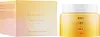
This oil-based makeup remover is made to dissolve makeup, sunscreen, and daily buildup.
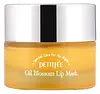
This hydrating lip mask is formulated around Petrolatum and Butyrospermum Parkii Butter to hydrate lips and strengthen the lip barrier.

What's inside
What's inside
 Key Ingredients
Benefits
Concerns
Ingredients Side-by-side
Cetyl Ethylhexanoate
EmollientEthylhexyl Palmitate
Emollient




PEG-20 Glyceryl Triisostearate
Emollient
PEG-10 Isostearate
Emulsifying
Synthetic Wax
Abrasive
Citrus Aurantium Bergamia Fruit Oil
Masking



Carthamus Tinctorius Seed Oil
Masking
Camellia Japonica Seed Oil
Emollient
Rosmarinus Officinalis Leaf Oil
Masking
Citrus Nobilis Oil
Masking
Hippophae Rhamnoides Oil
Emollient

Helianthus Annuus Seed Oil
Emollient
Butyrospermum Parkii Butter
Skin Conditioning
Propolis Extract
Skin Conditioning



Glycerin
Humectant
Sorbitan Sesquioleate
Emulsifying
1,2-Hexanediol
Skin Conditioning
Phenoxyethanol
Preservative
Citral
Perfuming
Limonene
Perfuming
Linalool
Perfuming
Cetyl Ethylhexanoate, Ethylhexyl Palmitate, PEG-20 Glyceryl Triisostearate, PEG-10 Isostearate, Synthetic Wax, Citrus Aurantium Bergamia Fruit Oil, Carthamus Tinctorius Seed Oil, Camellia Japonica Seed Oil, Rosmarinus Officinalis Leaf Oil, Citrus Nobilis Oil, Hippophae Rhamnoides Oil, Helianthus Annuus Seed Oil, Butyrospermum Parkii Butter, Propolis Extract, Glycerin, Sorbitan Sesquioleate, 1,2-Hexanediol, Phenoxyethanol, Citral, Limonene, Linalool
Diisostearyl Malate
EmollientDipentaerythrityl Hexa C5-9 Acid Esters
Skin ConditioningHydrogenated Polyisobutene
EmollientMicrocrystalline Wax
Emulsion StabilisingCeresin
Emulsion StabilisingCaprylic/Capric Triglyceride
Masking
Beeswax
Emulsion Stabilising
Curcuma Longa Root Extract
Antioxidant
Petrolatum
Emollient
Butyrospermum Parkii Butter
Skin Conditioning
Eclipta Prostrata Extract
Skin Conditioning
Euphorbia Cerifera Wax
Parfum
Masking
Phenoxyethanol
Preservative
Tocopheryl Acetate
Antioxidant

Sorbitan Sesquioleate
Emulsifying
Silica Dimethyl Silylate
EmollientMelia Azadirachta Leaf Extract
Skin ConditioningTitanium Dioxide
Cosmetic Colorant

Melia Azadirachta Flower Extract
Skin ConditioningMoringa Oleifera Seed Oil
Emollient
Corallina Officinalis Extract
Skin Conditioning
Melia Azadirachta Bark Extract
AntimicrobialOcimum Sanctum Leaf Extract
Skin ConditioningHippophae Rhamnoides Oil
Emollient
Simmondsia Chinensis Seed Oil
Emollient
Argania Spinosa Kernel Oil
Emollient

Macadamia Ternifolia Seed Oil
Emollient
Limnanthes Alba Seed Oil
Skin Conditioning
Diisostearyl Malate, Dipentaerythrityl Hexa C5-9 Acid Esters, Hydrogenated Polyisobutene, Microcrystalline Wax, Ceresin, Caprylic/Capric Triglyceride, Beeswax, Curcuma Longa Root Extract, Petrolatum, Butyrospermum Parkii Butter, Eclipta Prostrata Extract, Euphorbia Cerifera Wax, Parfum, Phenoxyethanol, Tocopheryl Acetate, Sorbitan Sesquioleate, Silica Dimethyl Silylate, Melia Azadirachta Leaf Extract, Titanium Dioxide, Melia Azadirachta Flower Extract, Moringa Oleifera Seed Oil, Corallina Officinalis Extract, Melia Azadirachta Bark Extract, Ocimum Sanctum Leaf Extract, Hippophae Rhamnoides Oil, Simmondsia Chinensis Seed Oil, Argania Spinosa Kernel Oil, Macadamia Ternifolia Seed Oil, Limnanthes Alba Seed Oil
Reviews
Ingredients Explained
These ingredients are found in both products.
Ingredients higher up in an ingredient list are typically present in a larger amount.
This ingredient is also known as shea butter. It is a plant-derived extract from the nuts of the Africa shea tree and one of the most well-studied emollients.
Because it has a high concentration of fatty acids (primarily oleic, stearic, and linoleic) it is able to form a protective barrier on the skin's surface. This helps seal in moisture and prevents transepidermal water loss (TEWL).
In vitro research found an increase in skin hydration by 58% and a decrease in TEWL by 37.8% after 24 hours of applying this ingredient (pretty impressive for a single ingredient!).
Besides hydration, shea butter also contains triterpenes that have anti-inflammatory potential. In particule, lupeol cinnamate has shown the highest anti-inflammatory activity in vivo.
Shea butter also contains vitamins A and E which may contribute to antioxidant activity.
While Shea Butter has an SPF rating of about 3-4, it is not a sunscreen replacement.
This ingredient may not be fungal acne safe because its fatty acids fall within the C11-C24 range that the Malassezia yeast can metabolize.
This ingredient shows up on a lot of "pore-clogging" lists but there's no real evidence behind that. It doesn't even have a comedogenic rating from an actual study; the numbers you'll find online come from blogs citing other blogs.
Ratings for other ingredients mostly come from a 1980s rabbit ear test. This test doesn't translate well to human skin or to real products because the ingredient sits at a much lower percentage.
Some people still find it breaks them out. So if that's you, definitely trust your skin. Just know this one's based on experience and not evidence.
Learn more about Butyrospermum Parkii ButterHippophae Rhamnoides Oil also known as seabuckthorn oil. This oil is usually extracted from the fruit pulp or seeds.
Seabuckthorn is rich in phytosterols, carotenoids, Vitamins A, C, and E. This gives it strong antioxidant properties that can help soothe and protect your skin from oxidative damage.
This oil is rich in fatty acids, including: two types of linoleic acid (~30-34%), oleic acid (17%), and palmiteic acid (35%). Note these numbers are averages, and different parts of the plant will vary.
Palmitoleic acid has been shown to help soothe inflammation and promote wound healing. It is also naturally found in the fat of our skin.
Overall, seabuckthorn oil is great for nourishing, hydrating, and soothing skin. While it shows UV protecting properties, it should not replace sunscreen.
Due to the rich fatty acid content, this ingredient may not be Malassezia folliculitis, or fungal acne, safe.
Seabuckthorn berries are little orange fruits. This plant is native to Asia.
Learn more about Hippophae Rhamnoides OilPhenoxyethanol is one of the most widely used preservatives in skincare (and for good reason!).
It has a large spectrum of antimicrobial activity and especially effective bacteria, yeast, and mold while only having a weak effect on your skin's natural microbiome.
On a cellular level, it disrupts the cell membranes of microbes by poking holes that make the cell leak. This shuts down the chemical reactions the microbe needs to make energy so it can no longer survive.
Another perk of this ingredient is that it stays functional across a wide pH range (3-10).
You'll often see it paired with boosters like Ethylhexylglycerin; one study showed that a 1:9 ratio of Ethylhexylglycerin to Phenoxyethanol damages bacterial membranes as effectively as doubling the Phenoxyethanol concentration on its own.
Typical use concentrations range from 0.3-1% depending on the formula, and this ingredient is capped at 1% int the EU.
Safety-wise, the fear mongering does not hold up to the evidence. The EU's Scientific Committee on Consumer Safety and FDA consider it safe as a preservative at up to 1%, including for children of all ages.
Adverse systemic effects only showed up in animal studies at exposures roughly 200x higher than what people get from cosmetics. And despite its very widespread use, this ingredient is a rare sensitizer and allergic reactions are uncommon.
Learn more about PhenoxyethanolSorbitan Sesquioleate is derived from sorbitol and oleic acid. It is an emulsifier and prevents ingredients from separating.
Specifically, this ingredient is a water-in-oil emulsifier, meaning it helps water dissolve into oil.
Some studies suggest this ingredient may cause irritation in some people. If you are unsure, it is best to patch test.
This ingredient may not be Malassezia folliculitis, or fungal-acne safe due to the oleic acid. In vitro studies have shown that Oleic Acid is one of the fatty acids that induce rapid Malassezia growth in lab settings.
This ingredient does have a comedogenic rating of 0-1. The original test stated 0-1 meant an ingredient is unlikely to cause comedones.
Just remember human testing has proved that any finished product with a comedogenic ingredient won't automatically make you break out; it really comes down to concentration, formula, and your skin.
Learn more about Sorbitan Sesquioleate

