
What's inside
What's inside
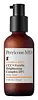 Key Ingredients
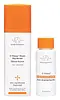
Benefits
Concerns
Ingredients Side-by-side
Water
Skin Conditioning3-O-Ethyl Ascorbic Acid
Skin Conditioning





Isopropyl Myristate
Emollient


Sodium Ascorbyl Phosphate
Antioxidant
Behenyl Alcohol
Emollient
Caprylyl Methicone
Skin Conditioning
Hydrogenated Lecithin
Emulsifying

Benzyl Alcohol
Perfuming





Hydroxyphenoxy Propionic Acid
Skin ConditioningTetrahexyldecyl Ascorbate
Antioxidant
Ferulic Acid
Antimicrobial
Simmondsia Chinensis Seed Oil
Emollient
Xanthan Gum
EmulsifyingTocopheryl Acetate
Antioxidant
Sodium Metabisulfite
Antioxidant
Beta-Glucan
Skin Conditioning
Ethylhexylglycerin
Skin ConditioningDisodium EDTA
Polyacrylamide
C13-14 Isoparaffin
Emollient
Polysorbate 20
Emulsifying
Laureth-7
EmulsifyingMaltodextrin
Absorbent
Phenoxyethanol
Preservative
Benzoic Acid
Masking
Dehydroacetic Acid
Preservative
Parfum
Masking

Citral
Perfuming
Limonene
Perfuming
Linalool
Perfuming
Water, 3-O-Ethyl Ascorbic Acid, Isopropyl Myristate, Sodium Ascorbyl Phosphate, Behenyl Alcohol, Caprylyl Methicone, Hydrogenated Lecithin, Benzyl Alcohol, Hydroxyphenoxy Propionic Acid, Tetrahexyldecyl Ascorbate, Ferulic Acid, Simmondsia Chinensis Seed Oil, Xanthan Gum, Tocopheryl Acetate, Sodium Metabisulfite, Beta-Glucan, Ethylhexylglycerin, Disodium EDTA, Polyacrylamide, C13-14 Isoparaffin, Polysorbate 20, Laureth-7, Maltodextrin, Phenoxyethanol, Benzoic Acid, Dehydroacetic Acid, Parfum, Citral, Limonene, Linalool
Water
Skin ConditioningDimethyl Isosorbide
SolventAscorbic Acid
Antioxidant
Laureth-23
Cleansing
Glycerin
Humectant
Tocopherol
Antioxidant
Lactobacillus/Pumpkin Ferment Extract
Skin ConditioningSclerocarya Birrea Seed Oil
Humectant
Dipotassium Glycyrrhizate
Humectant
Glycyrrhiza Glabra Root Extract
Bleaching
Vitis Vinifera Juice Extract
Antioxidant
Ferulic Acid
Antimicrobial
Phyllanthus Emblica Fruit Extract
HumectantCamellia Sinensis Leaf Extract
Antimicrobial
Lactobacillus/Punica Granatum Fruit Ferment Extract
Antioxidant
Propanediol
Solvent
Gluconolactone
Skin Conditioning

Sodium Hyaluronate Crosspolymer
Humectant
Sodium Hyaluronate
Humectant
Oryza Sativa Bran Extract
Skin Conditioning
Glutamylamidoethyl Imidazole
Tetrahydrobisdemethoxydiferuloylmethane
Antioxidant
Tetrahydrodemethoxydiferuloylmethane
Antioxidant
Tetrahydrodiferuloylmethane
Antioxidant
Pentylene Glycol
Skin Conditioning
Caprylhydroxamic Acid
Leuconostoc/Radish Root Ferment Filtrate
Antimicrobial
Sorbic Acid
Preservative
Phenoxyethanol
Preservative
Sodium Benzoate
Masking
Caprylyl Glycol
Emollient
Chondrus Crispus Extract
Skin Conditioning
Ethylhexylglycerin
Skin ConditioningWater, Dimethyl Isosorbide, Ascorbic Acid, Laureth-23, Glycerin, Tocopherol, Lactobacillus/Pumpkin Ferment Extract, Sclerocarya Birrea Seed Oil, Dipotassium Glycyrrhizate, Glycyrrhiza Glabra Root Extract, Vitis Vinifera Juice Extract, Ferulic Acid, Phyllanthus Emblica Fruit Extract, Camellia Sinensis Leaf Extract, Lactobacillus/Punica Granatum Fruit Ferment Extract, Propanediol, Gluconolactone, Sodium Hyaluronate Crosspolymer, Sodium Hyaluronate, Oryza Sativa Bran Extract, Glutamylamidoethyl Imidazole, Tetrahydrobisdemethoxydiferuloylmethane, Tetrahydrodemethoxydiferuloylmethane, Tetrahydrodiferuloylmethane, Pentylene Glycol, Caprylhydroxamic Acid, Leuconostoc/Radish Root Ferment Filtrate, Sorbic Acid, Phenoxyethanol, Sodium Benzoate, Caprylyl Glycol, Chondrus Crispus Extract, Ethylhexylglycerin
Reviews
Ingredients Explained
These ingredients are found in both products.
Ingredients higher up in an ingredient list are typically present in a larger amount.
Ethylhexylglycerin is created from glycerin. It is a multitasker ingredient that:
The CIR Expert Panel found minimal skin absorption or sensitization of any kind in a safety assessment. Though this ingredient is considered well-tolerated, a small number of cases of allergic dermatitis have been published since 2002. Just be sure to patch test if you are unsure.
Industry-reported use ranges from 8% in rinse-off products and 2% in leave-on formulations.
Learn more about EthylhexylglycerinFerulic Acid is a plant based antioxidant that can be naturally found in the cell walls of grains like rice, oats, and corn. It has antioxidant and antimicrobial properties, and has the ability to boost the performance of other antioxidants as well.
A well-known study found that adding Ferulic Acid to a solution of Vitamins C and E doubled the photoprotection of skin. This is why you'll often see it paired with Vitamin C or Vitamin E serums rather than sold on its own.
A 2025 review of 18 human studies found that using Ferulic Acid (0.5-1%) daily for one to three months showed improvements in:
As far as allergies go, Ferulic acid is generally well-tolerated but can cause an allergic reaction in very rare cases. It's also worth noting that Ferulic acid is often extracted from plant sources like rice bran or wheat bran, so be sure to path test if you have known grain allergies.
Outside of skincare, researchers are also looking into Ferulic Acid for its potential benefits in areas like diabetes, Alzheimer's, and heart health.
Learn more about Ferulic AcidPhenoxyethanol is a preservative that has germicide, antimicrobial, and aromatic properties. Studies show that phenoxyethanol can prevent microbial growth. By itself, it has a scent that is similar to that of a rose.
It's often used in formulations along with Caprylyl Glycol to preserve the shelf life of products.
Water. It's the most common cosmetic ingredient of all. You'll usually see it at the top of ingredient lists, meaning that it makes up the largest part of the product.
So why is it so popular? Water most often acts as a solvent - this means that it helps dissolve other ingredients into the formulation.
You'll also recognize water as that liquid we all need to stay alive. If you see this, drink a glass of water. Remember to stay hydrated!
Learn more about Water
