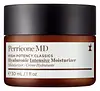
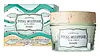
Perricone MD High Potency Classics: Hyaluronic Intensive Moisturizer Versus Benefit Cosmetics Total Moisture Facial Cream
This barrier-repair moisturizer is formulated around Niacinamide and Sodium Hyaluronate Crosspolymer to strengthen the skin barrier and hydrate skin.
This barrier-repair moisturizer is formulated around Squalane to strengthen the skin barrier and hydrate skin.

What's inside
What's inside
 Key Ingredients
Benefits
Concerns
Ingredients Side-by-side
Water
Skin ConditioningDimethicone
Emollient

Glycerin
Humectant

Pentylene Glycol
Skin Conditioning
Niacinamide
Smoothing









Butylene Glycol
Humectant
Caprylic/Capric Triglyceride
Masking
Ammonium Acryloyldimethyltaurate/Vp Copolymer
Butyrospermum Parkii Butter
Skin Conditioning




Squalane
Emollient
Sodium Hyaluronate Crosspolymer
Humectant
Benzyl Alcohol
Perfuming





Urea
Buffering
Tetrahexyldecyl Ascorbate
Antioxidant

Bisabolol
Antioxidant
Dimethyl Mea
BufferingStyrene/Acrylates Copolymer
Dimethicone/Vinyl Dimethicone Crosspolymer
Skin Conditioning
Carbomer
Emulsion StabilisingSodium Polyacrylate
Absorbent
Phosphatidylcholine
EmulsifyingHydrogenated Lecithin
Emulsifying
Citric Acid
Buffering
Allantoin
Skin Conditioning
Hyaluronic Acid
Humectant
Polysilicone-11
Triacetin
AntimicrobialXanthan Gum
EmulsifyingTocopheryl Acetate
Antioxidant
Sodium Chloride
MaskingPhenoxyethanol
Preservative
Rosmarinus Officinalis Leaf Extract
AntimicrobialMagnesium Aspartate
Skin ConditioningZinc Gluconate
Skin Conditioning
Sodium Lactate
Buffering
Lactic Acid
Buffering
Serine
Masking
Sorbitol
Humectant
Potassium Sorbate
Preservative
Sodium Benzoate
Masking
Sodium Hyaluronate
Humectant
Docosahexaenoic Acid
Skin Conditioning
Copper Gluconate
Skin Conditioning
Water, Dimethicone, Glycerin, Pentylene Glycol, Niacinamide, Butylene Glycol, Caprylic/Capric Triglyceride, Ammonium Acryloyldimethyltaurate/Vp Copolymer, Butyrospermum Parkii Butter, Squalane, Sodium Hyaluronate Crosspolymer, Benzyl Alcohol, Urea, Tetrahexyldecyl Ascorbate, Bisabolol, Dimethyl Mea, Styrene/Acrylates Copolymer, Dimethicone/Vinyl Dimethicone Crosspolymer, Carbomer, Sodium Polyacrylate, Phosphatidylcholine, Hydrogenated Lecithin, Citric Acid, Allantoin, Hyaluronic Acid, Polysilicone-11, Triacetin, Xanthan Gum, Tocopheryl Acetate, Sodium Chloride, Phenoxyethanol, Rosmarinus Officinalis Leaf Extract, Magnesium Aspartate, Zinc Gluconate, Sodium Lactate, Lactic Acid, Serine, Sorbitol, Potassium Sorbate, Sodium Benzoate, Sodium Hyaluronate, Docosahexaenoic Acid, Copper Gluconate
Water
Skin ConditioningDicaprylyl Carbonate
EmollientHydrogenated Lanolin
EmollientSqualane
Emollient
Glycerin
Humectant
Methyl Trimethicone
Skin Conditioning
Glyceryl Stearate
Emollient
Stearyl Alcohol
Emollient
PEG-8
HumectantPentylene Glycol
Skin Conditioning
Caprylic/Capric/Succinic Triglyceride
EmollientCeteth-20
CleansingEthylhexyl Palmitate
Emollient
Dimethicone
Emollient
Betaine
Humectant
Decyloxazolidinone
AntimicrobialPhenoxyethanol
Preservative
Cetyl Alcohol
Emollient
Palmitic Acid
Emollient
Stearic Acid
Cleansing
Parfum
Masking
Steareth-25
CleansingMangifera Indica Seed Butter
Skin Conditioning
Steareth-21
CleansingTetrasodium EDTA
Tocopheryl Acetate
Antioxidant
Carbomer
Emulsion StabilisingXylitylglucoside
Humectant
Sorbitol
Humectant
Linalool
Perfuming
Anhydroxylitol
Humectant
Sodium Hydroxide
BufferingAlgin
Masking
Xylitol
Humectant
Hexyl Cinnamal
Perfuming
Limonene
Perfuming
Polyvinyl Alcohol
Cellulose Gum
Emulsion StabilisingTocopherol
Antioxidant
BHT
Antioxidant
Water, Dicaprylyl Carbonate, Hydrogenated Lanolin, Squalane, Glycerin, Methyl Trimethicone, Glyceryl Stearate, Stearyl Alcohol, PEG-8, Pentylene Glycol, Caprylic/Capric/Succinic Triglyceride, Ceteth-20, Ethylhexyl Palmitate, Dimethicone, Betaine, Decyloxazolidinone, Phenoxyethanol, Cetyl Alcohol, Palmitic Acid, Stearic Acid, Parfum, Steareth-25, Mangifera Indica Seed Butter, Steareth-21, Tetrasodium EDTA, Tocopheryl Acetate, Carbomer, Xylitylglucoside, Sorbitol, Linalool, Anhydroxylitol, Sodium Hydroxide, Algin, Xylitol, Hexyl Cinnamal, Limonene, Polyvinyl Alcohol, Cellulose Gum, Tocopherol, BHT
Ingredients Explained
These ingredients are found in both products.
Ingredients higher up in an ingredient list are typically present in a larger amount.
Carbomer is a synthetic thickening and gelling agent. It's basically the ingredient that gives a lot of serums, gels, creams, and sunscreens their smooth, non-sticky texture.
Although legally permitted at very high levels, carbomers are normally used at concentrations below 1%.
It also needs to be neutralized to actually thicken, and because it is a large molecule, it doesn't really penetrate the skin barrier.
Allergy-wise, the risk is very low. Clinical studies show carbomers have low potential for skin irritation/sensitization even at concentrations up to 100%.
A 2024 UK study patch-tested 1,302 patients and found true allergy to the parent group of carbomer to be rare with no confirmed relevant reactions.
Learn more about CarbomerDimethicone is a type of synthetic silicone created from natural materials such as quartz. It is also known as polydimethylsiloxane.
What it does:
Dimethicone comes in different viscosities:
Depending on the viscosity, dimethicone has different properties.
Ingredients lists don't always show which type is used, so we recommend reaching out to the brand if you have questions about the viscosity.
This ingredient is unlikely to cause irritation because it does not get absorbed into skin. However, people with silicone allergies should be careful about using this ingredient.
Note: Dimethicone may contribute to pilling. This is because it is not oil or water soluble, so pilling may occur when layered with products. When mixed with heavy oils in a formula, the outcome is also quite greasy.
Learn more about DimethiconeGlycerin (or glycerol) is a compound naturally found in your skin. It's a powerhouse humectant that pulls water into the stratum corneum.
Topically, glycerin does several things at once:
Your skin makes glycerin on its own (mostly from sebaceous oil breakdown) and shuttles it to your outermost layer of skin, or your epidermis, via aquaporin-3.
Aquaporin-3 is a transporter that is essential for normal skin hydration, elasticity, and repair. Interestingly, mice lacking in AQP3 have dry and less elastic skin that can be fully corrected with glycerin.
This ingredient is non-irritating, plays well with almost every ingredient, and works across all skin types. Typical use is anywhere between 3-10% but can go up to 79% in some leave-on products.
Just know very high concentrations (>40%) can feel tacky in low humidity.
Glycerin is the name for this ingredient in American English. British English uses Glycerol/Glycerine.
Learn more about GlycerinPentylene Glycol (1,2-pentanediol) is a multitasking little diol with three main roles in a formula:
Research on alkanediols (the family pentylene glycol belongs to) show they work by disrupting microbial cell membranes. This disruption helps the primary preservative system in a product work more effectively at lower doses.
On the safety side, the Cosmetic Ingredient Review Expert Panel has concluded this ingredient to be safe as used in current cosmetic practices + concentrations.
Typical use levels in a formula run about 1-5%.
Learn more about Pentylene GlycolPhenoxyethanol is one of the most widely used preservatives in skincare (and for good reason!).
It has a large spectrum of antimicrobial activity and especially effective bacteria, yeast, and mold while only having a weak effect on your skin's natural microbiome.
On a cellular level, it disrupts the cell membranes of microbes by poking holes that make the cell leak. This shuts down the chemical reactions the microbe needs to make energy so it can no longer survive.
Another perk of this ingredient is that it stays functional across a wide pH range (3-10).
You'll often see it paired with boosters like Ethylhexylglycerin; one study showed that a 1:9 ratio of Ethylhexylglycerin to Phenoxyethanol damages bacterial membranes as effectively as doubling the Phenoxyethanol concentration on its own.
Typical use concentrations range from 0.3-1% depending on the formula, and this ingredient is capped at 1% int the EU.
Safety-wise, the fear mongering does not hold up to the evidence. The EU's Scientific Committee on Consumer Safety and FDA consider it safe as a preservative at up to 1%, including for children of all ages.
Adverse systemic effects only showed up in animal studies at exposures roughly 200x higher than what people get from cosmetics. And despite its very widespread use, this ingredient is a rare sensitizer and allergic reactions are uncommon.
Learn more about PhenoxyethanolSorbitol is a sugar alcohol. It is a hydrating and moisturizing agent created from the reduction process of glucose.
Most sorbitol is usually made from potato starch. It is also found in fruits such as apples and pears.
As a humectant, Sorbitol helps draw water to the skin. This helps keep the skin hydrated. Sorbitol also helps create a thicker texture in products. You might find sorbitol in your toothpaste and other gels.
It is a non-irritating ingredient that is great for those with dry skin.
Sorbitol is a prebiotic. It helps promote the growth of healthy bacteria on your skin. The bacteria on your skin form a microbiome. This microbiome helps protect your skin from infection and harmful bacteria.
Learn more about SorbitolSqualane is the hydrogenated and shelf-stable form of squalene (a lipid that naturally occurs in human sebum).
It is an emollient and skin conditioning agent that is able to integrate seamlessly into the skin's lipid barrier without clogging pores.
This is due to how structurally similar it is to what your skin already produces.
Though it is mostly an emollient that helps soften and hydrate skin, it also has some humectant and occlusive action. Humectants help the skin retain moisture while occlusives seal it in, making squalane a triple-threat moisturizer.
Research shows it has antioxidant capabilities that help protect against stressors like UV exposure, specifically UVA induced oxidative stress. This study also found that it supports collagen biosynthesis in human dermal fibroblasts.
No clinical study has reported significant adverse effects and irritation reactions are very rare from this ingredient (even at 100% concentration).
Overall, it's a fantastic ingredient for hydration and is suitable for all skin types.
This depends on the source. Squalane can be derived from both plants and animals. Most squalane used in skincare comes from plants.
Please note: the source of squalane is only known if disclosed by the brand. We recommend reaching out to the brand if you have any questions about their squalane.
Read more about squalene with an "e".
Though squalane is often called an oil, it’s technically not one. It is a hydrocarbon, meaning it is only made of carbon and hydrogen. True oils are triglycerides and made of fatty acids and glycerol.
The term “oil-free” isn’t regulated so companies can define it however they want. Some exclude all oils, while others just avoid mineral oil or comedogenic oils.
Squalane has a comedogenic rating of 1 from the original 1972 study that tested raw ingredients under occlusion on rabbit ears. This system is not standardized or peer-reviewed, and using the raw ingredients is very different from how diluted cosmetic formulations are used on human skin.
A comedogenic rating of 1 means it is "unlikely to clog pores" according to the original rating system.
The overall formula of a product matters more than the individual ingredients on whether or not it will cause clogged pores.
Learn more about SqualaneTocopheryl Acetate is a stable, shelf-friendly form of vitamin E.
Formulators love it because plain vitamin E oxidizes quickly once it hits air. This acetate version stays stable and resists going off, helping to extend a product's shelf life.
It's actually inactive on its own and works like a slow-release "storage" form; the enzymes in your skin called esterases gradually convert it into active vitamin E over time.
One in vivo study showed 5% of the acetate in the living layer of the epidermis converted to vitamin E after 5 days of application. This study also found the skin gained protection against UV damage even though the conversion was slow and small.
Once converted, vitamin E acts as a skin's main fat-soluble antioxidant that fights free radicals to protect skin from damage.
Topical vitamin E generally boosts the skin's photoprotection, and it reduced UV-damage in animal models.
This ingredient has some brightening potential but it's more of a prevention ingredient than spot-fader. Cell studies show it can slow down melanin production but it's worth noting that it's not the most powerful brightener out there.
Overall, it has a pretty solid safety profile and has been found to be non-irritating and non-comedogenic. Allergic reactions may happen but stay rare due to how widely the ingredient gets used.
The concentration will vary depending on the formula; industry data shows 0.1% in baby lotions, 3% in lipsticks, and 5% in foot powders. You can also find this ingredient at 100% in a pure vitamin E oil.
Most leave-on skincare keeps it at the lower end, often between 0.5-1%.
Learn more about Tocopheryl AcetateWater. It's the most common cosmetic ingredient of all. You'll usually see it at the top of ingredient lists, meaning that it makes up the largest part of the product.
So why is it so popular? Water most often acts as a solvent - this means that it helps dissolve other ingredients into the formulation.
You'll also recognize water as that liquid we all need to stay alive. If you see this, drink a glass of water. Remember to stay hydrated!
Learn more about Water

