Peach Slices Redness Relief Azelaic Acid Serum Versus Urban Hydration Sea Acne Gone & Sea The Glow Algae Face Wash
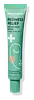
This calming serum is formulated around Azelaic Acid and Panthenol to calm redness and fade the look of dark spots.
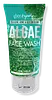
This salicylic acid gel cleanser is formulated around Salicylic Acid to clear breakouts and unclog pores.


What's inside
What's inside
 Key Ingredients
Benefits
Concerns
Ingredients Side-by-side
Water
Skin ConditioningAzelaic Acid
Buffering









Butylene Glycol
Humectant

Dipropylene Glycol
Humectant1,2-Hexanediol
Skin Conditioning
Propanediol
Solvent
Caprylic/Capric Triglyceride
Masking
Panthenol
Skin Conditioning
Cetyl Ethylhexanoate
EmollientButylene Glycol Dicaprylate/Dicaprate
EmollientSpirulina Platensis Extract
Skin ProtectingRhodomyrtus Tomentosa Fruit Extract
HumectantArtemisia Vulgaris Extract
Skin Conditioning
Centella Asiatica Extract
Cleansing
Spinacia Oleracea Leaf Extract
Skin ConditioningBrassica Oleracea Italica Extract
AstringentTapioca Starch
Allantoin
Skin Conditioning
Betaine
Humectant
Sodium Polyacryloyldimethyl Taurate
Emulsion StabilisingArginine
Masking
Ethylhexyl Palmitate
Emollient




Sorbitan Isostearate
Emulsifying
Acrylates/C10-30 Alkyl Acrylate Crosspolymer
Emulsion StabilisingDextrin
AbsorbentCarthamus Tinctorius Flower Extract
Skin ConditioningGardenia Florida Fruit Extract
Skin ConditioningPolyacrylate-13
Hydrogenated Polyisobutene
EmollientPolyglyceryl-10 Laurate
Skin Conditioning
Caprylyl Glycol
Emollient
Water, Azelaic Acid, Butylene Glycol, Dipropylene Glycol, 1,2-Hexanediol, Propanediol, Caprylic/Capric Triglyceride, Panthenol, Cetyl Ethylhexanoate, Butylene Glycol Dicaprylate/Dicaprate, Spirulina Platensis Extract, Rhodomyrtus Tomentosa Fruit Extract, Artemisia Vulgaris Extract, Centella Asiatica Extract, Spinacia Oleracea Leaf Extract, Brassica Oleracea Italica Extract, Tapioca Starch, Allantoin, Betaine, Sodium Polyacryloyldimethyl Taurate, Arginine, Ethylhexyl Palmitate, Sorbitan Isostearate, Acrylates/C10-30 Alkyl Acrylate Crosspolymer, Dextrin, Carthamus Tinctorius Flower Extract, Gardenia Florida Fruit Extract, Polyacrylate-13, Hydrogenated Polyisobutene, Polyglyceryl-10 Laurate, Caprylyl Glycol
Water
Skin ConditioningCocamidopropyl Betaine
Cleansing
Sodium Lauroyl Sarcosinate
CleansingSodium Cocoyl Glycinate
Cleansing
Sodium Methyl Cocoyl Taurate
Cleansing
Glycerin
Humectant
PEG-120 Methyl Glucose Dioleate
Emulsifying
Hydrolyzed Corn Starch
HumectantSodium Chloride
MaskingPhenoxyethanol
Preservative
Salicylic Acid
Masking

Propylene Glycol
Humectant
Polysorbate 80
Emulsifying
Pentylene Glycol
Skin Conditioning
Sodium Salicylate
Preservative
Caprylic/Capric Triglyceride
Masking
Tocopheryl Acetate
Antioxidant

Butyrospermum Parkii Butter
Skin Conditioning
Simmondsia Chinensis Seed Oil
Emollient
Caprylyl Glycol
Emollient
Azelaic Acid
Buffering
Aloe Barbadensis Leaf Juice
Skin Conditioning
Citric Acid
Buffering
Tetrasodium Glutamate Diacetate
ChelatingAlgae Oligosaccharides
Skin ConditioningMentha Piperita Oil
Masking


Cocos Nucifera Oil
Masking
Water, Cocamidopropyl Betaine, Sodium Lauroyl Sarcosinate, Sodium Cocoyl Glycinate, Sodium Methyl Cocoyl Taurate, Glycerin, PEG-120 Methyl Glucose Dioleate, Hydrolyzed Corn Starch, Sodium Chloride, Phenoxyethanol, Salicylic Acid, Propylene Glycol, Polysorbate 80, Pentylene Glycol, Sodium Salicylate, Caprylic/Capric Triglyceride, Tocopheryl Acetate, Butyrospermum Parkii Butter, Simmondsia Chinensis Seed Oil, Caprylyl Glycol, Azelaic Acid, Aloe Barbadensis Leaf Juice, Citric Acid, Tetrasodium Glutamate Diacetate, Algae Oligosaccharides, Mentha Piperita Oil, Cocos Nucifera Oil
Reviews
Ingredients Explained
These ingredients are found in both products.
Ingredients higher up in an ingredient list are typically present in a larger amount.
Azelaic acid is a multitasker ingredient that helps treat acne, pigmentation, and irritation. It is a great option for sensitive skin.
What makes it special?
OTC Azelaic acid is usually available in concentrations from 10-15% and anything over requires a prescription.
Here's what each tier does best:
Unlike other acids, azelaic acid will not make your skin more photosensitive/sun sensitive.
Though this ingredient is naturally occurring in grains like wheat, rye, and barley, it is usually synthetically created for cosmetics to ensure stability and effectiveness.
Learn more about Azelaic AcidCaprylic/Capric Triglyceride (aka MCT Oil) is a lightweight emollient, solvent, and texture enhancer. It is considered a skin-softener by helping to prevent moisture loss.
Though it behaves like an oil, it is not technically one due to its chemical composition. One perk of this ingredient is that it is very stable, resistant to oxidation, and unlikely to go rancid.
In practice, that translates to a long shelf life and a consistently elegant skin feel.
While there is an assumption Caprylic Triglyceride can clog pores due to it being derived from coconut oil, there is no research supporting this. Just patch test if you have concerns.
Fractionated coconut oil and MCT Oil are both listed as Caprylic/Capric Triglyceride according to INCI. This is because INCI names are based on the ingredient’s final chemical composition and not its marketing name or source.
This ingredient is treated as the gold standard fungal acne safe oil. Even though it is coconut derived, the problematic lauric acid is stripped out.
This leaves just caprylic (C8) and capric (C10) acid. These chain lengths actually trend antifungal; a 2020 study found caprylic acid was enough to disrupt Malassezia furfur cell membrane, with a caprylic acid derivative damaging membrane structures at concentrations as low as 0.2%.
Learn more about Caprylic/Capric TriglycerideCaprylyl Glycol is a humectant, skin conditioner, emollient, and preservative booster derived from either caprylic acid or synthetically created.
Typical use levels vary from 0.3-1% as a preservative booster and go up to 2% to condition skin.
Because it is not a free-fatty acid, this ingredient is fungal acne safe (there's nothing for Malassezia to feed on).
Learn more about Caprylyl GlycolWater. It's the most common cosmetic ingredient of all. You'll usually see it at the top of ingredient lists, meaning that it makes up the largest part of the product.
So why is it so popular? Water most often acts as a solvent - this means that it helps dissolve other ingredients into the formulation.
You'll also recognize water as that liquid we all need to stay alive. If you see this, drink a glass of water. Remember to stay hydrated!
Learn more about Water

