

What's inside
What's inside
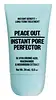 Key Ingredients
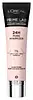
Benefits
Concerns
Ingredients Side-by-side
Water
Skin ConditioningButylene Glycol
Humectant

Sodium Acrylates Crosspolymer-2
AbsorbentIsoamyl Laurate
Emollient

Silica
Abrasive


Coco-Caprylate/Caprate
Emollient
Titanium Dioxide
Cosmetic Colorant

CI 77891
Cosmetic ColorantPropanediol
Solvent
Triheptanoin
Skin ConditioningC9-12 Alkane
SolventCoconut Alkanes
Emollient

Cetearyl Olivate
Sodium Polyacrylate
Absorbent
Sodium Polyacryloyldimethyl Taurate
Emulsion StabilisingNiacinamide
Smoothing








Sodium Hyaluronate
Humectant
Fomes Officinalis Extract
Skin ProtectingMalic Acid
Buffering

Acetyl Zingerone
Antioxidant
Zea Mays Kernel Extract
Coffea Arabica Seed Extract
Masking
Zinc PCA
Humectant
Backhousia Citriodora Leaf Extract
AstringentCydonia Oblonga Leaf Extract
Skin ConditioningGlycerin
Humectant
Sorbitan Olivate
Emulsifying
Chromium Oxide Greens
CI 77288
Cosmetic ColorantDilinoleic Acid/Butanediol Copolymer
Polyhydroxystearic Acid
Emulsifying
Ethylhexylglycerin
Skin ConditioningStearic Acid
Cleansing
Trisodium Ethylenediamine Disuccinate
Phenoxyethanol
Preservative
Caprylyl Glycol
Emollient
Mica
Cosmetic ColorantTin Oxide
Abrasive
Castor Oil/Ipdi Copolymer

Water, Butylene Glycol, Sodium Acrylates Crosspolymer-2, Isoamyl Laurate, Silica, Coco-Caprylate/Caprate, Titanium Dioxide, CI 77891, Propanediol, Triheptanoin, C9-12 Alkane, Coconut Alkanes, Cetearyl Olivate, Sodium Polyacrylate, Sodium Polyacryloyldimethyl Taurate, Niacinamide, Sodium Hyaluronate, Fomes Officinalis Extract, Malic Acid, Acetyl Zingerone, Zea Mays Kernel Extract, Coffea Arabica Seed Extract, Zinc PCA, Backhousia Citriodora Leaf Extract, Cydonia Oblonga Leaf Extract, Glycerin, Sorbitan Olivate, Chromium Oxide Greens, CI 77288, Dilinoleic Acid/Butanediol Copolymer, Polyhydroxystearic Acid, Ethylhexylglycerin, Stearic Acid, Trisodium Ethylenediamine Disuccinate, Phenoxyethanol, Caprylyl Glycol, Mica, Tin Oxide, Castor Oil/Ipdi Copolymer
Water
Skin ConditioningDimethicone
Emollient
Silica
Abrasive
Alcohol Denat.
Antimicrobial

Dimethicone/Vinyl Dimethicone Crosspolymer
Skin Conditioning
Glycerin
Humectant
Butylene Glycol
Humectant
Bis-PEG-18 Methyl Ether Dimethyl Silane
EmollientPEG/PPG/Polybutylene Glycol-8/5/3 Glycerin
HumectantIsopropyl Lauroyl Sarcosinate
Skin ConditioningHydroxyethylpiperazine Ethane Sulfonic Acid
BufferingPolyglyceryl-3 Disiloxane Dimethicone
Skin Conditioning
Silica Silylate
Emollient
Lactic Acid
Buffering
Ammonium Polyacryloyldimethyl Taurate
Emulsion StabilisingPhenoxyethanol
Preservative
Capryloyl Salicylic Acid
Exfoliating
PPG-6-Decyltetradeceth-30
EmulsifyingSodium Hydroxide
BufferingSalicylic Acid
Masking
PEG-20 Methyl Glucose Sesquistearate
Emulsifying
Sodium Polyacrylate
Absorbent
Xanthan Gum
EmulsifyingTrisodium Ethylenediamine Disuccinate
Sodium Citrate
BufferingAdenosine
Skin Conditioning
Tocopherol
Antioxidant
Linalool
Perfuming

CI 14700
Cosmetic ColorantCeramide AP
Skin Conditioning
Water, Dimethicone, Silica, Alcohol Denat., Dimethicone/Vinyl Dimethicone Crosspolymer, Glycerin, Butylene Glycol, Bis-PEG-18 Methyl Ether Dimethyl Silane, PEG/PPG/Polybutylene Glycol-8/5/3 Glycerin, Isopropyl Lauroyl Sarcosinate, Hydroxyethylpiperazine Ethane Sulfonic Acid, Polyglyceryl-3 Disiloxane Dimethicone, Silica Silylate, Lactic Acid, Ammonium Polyacryloyldimethyl Taurate, Phenoxyethanol, Capryloyl Salicylic Acid, PPG-6-Decyltetradeceth-30, Sodium Hydroxide, Salicylic Acid, PEG-20 Methyl Glucose Sesquistearate, Sodium Polyacrylate, Xanthan Gum, Trisodium Ethylenediamine Disuccinate, Sodium Citrate, Adenosine, Tocopherol, Linalool, CI 14700, Ceramide AP
Ingredients Explained
These ingredients are found in both products.
Ingredients higher up in an ingredient list are typically present in a larger amount.
Butylene Glycol (or BG) is used within cosmetic products for a few different reasons:
Overall, Butylene Glycol is a safe and well-rounded ingredient that works well with other ingredients.
Though this ingredient works well with most skin types, some people with sensitive skin may experience a reaction such as allergic rashes, closed comedones, or itchiness.
Learn more about Butylene GlycolGlycerin (or glycerol) is a compound naturally found in your skin. It's a powerhouse humectant that pulls water into the stratum corneum.
Topically, glycerin does several things at once:
Your skin makes glycerin on its own (mostly from sebaceous oil breakdown) and shuttles it to your outermost layer of skin, or your epidermis, via aquaporin-3.
Aquaporin-3 is a transporter that is essential for normal skin hydration, elasticity, and repair. Interestingly, mice lacking in AQP3 have dry and less elastic skin that can be fully corrected with glycerin.
This ingredient is non-irritating, plays well with almost every ingredient, and works across all skin types. Typical use is anywhere between 3-10% but can go up to 79% in some leave-on products.
Just know very high concentrations (>40%) can feel tacky in low humidity.
Glycerin is the name for this ingredient in American English. British English uses Glycerol/Glycerine.
Learn more about GlycerinPhenoxyethanol is one of the most widely used preservatives in skincare (and for good reason!).
It has a large spectrum of antimicrobial activity and especially effective bacteria, yeast, and mold while only having a weak effect on your skin's natural microbiome.
On a cellular level, it disrupts the cell membranes of microbes by poking holes that make the cell leak. This shuts down the chemical reactions the microbe needs to make energy so it can no longer survive.
Another perk of this ingredient is that it stays functional across a wide pH range (3-10).
You'll often see it paired with boosters like Ethylhexylglycerin; one study showed that a 1:9 ratio of Ethylhexylglycerin to Phenoxyethanol damages bacterial membranes as effectively as doubling the Phenoxyethanol concentration on its own.
Typical use concentrations range from 0.3-1% depending on the formula, and this ingredient is capped at 1% int the EU.
Safety-wise, the fear mongering does not hold up to the evidence. The EU's Scientific Committee on Consumer Safety and FDA consider it safe as a preservative at up to 1%, including for children of all ages.
Adverse systemic effects only showed up in animal studies at exposures roughly 200x higher than what people get from cosmetics. And despite its very widespread use, this ingredient is a rare sensitizer and allergic reactions are uncommon.
Learn more about PhenoxyethanolSilica, also known as silicon dioxide, is a naturally occurring mineral. It is used as a fine, spherical, and porous powder in cosmetics.
Though it has exfoliant properties, the function of silica varies depending on the product.
The unique structure of silica enhances the spreadability and adds smoothness, making it a great texture enhancer.
It is also used as an active carrier, emulsifier, and mattifier due to its ability to absorb excess oil.
In some products, tiny microneedles called spicules are made from silica or hydrolyzed sponge. When you rub them in, they lightly polish away dead skin layers and enhance the penetration of active ingredients.
Learn more about SilicaSodium Polyacrylate is the sodium salt of polyacrylic acid. It is used as an absorber, emollient, and stabilizer.
This ingredient is a super-absorbent polymer - meaning it can absorb 100 to 1000 times its mass in water. As an emollient, Sodium Polyacrylate helps soften and soothe skin. Emollients work by creating a barrier to trap moisture in. This helps keep your skin hydrated.
Trisodium Ethylenediamine Disuccinate is used to help stabilize a product.
It is a chelating agent, meaning it helps prevent metal ions from binding to other ingredients. This prevents unwanted reactions in products. Metal ions can come into a product via the water ingredient. They are found in trace amounts and are not known to be harmful.
Water. It's the most common cosmetic ingredient of all. You'll usually see it at the top of ingredient lists, meaning that it makes up the largest part of the product.
So why is it so popular? Water most often acts as a solvent - this means that it helps dissolve other ingredients into the formulation.
You'll also recognize water as that liquid we all need to stay alive. If you see this, drink a glass of water. Remember to stay hydrated!
Learn more about Water

