

What's inside
What's inside
 Key Ingredients
Benefits
Concerns
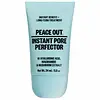
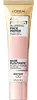
Ingredients Side-by-side
Water
Skin ConditioningButylene Glycol
Humectant
Sodium Acrylates Crosspolymer-2
AbsorbentIsoamyl Laurate
Emollient
Silica
Abrasive


Coco-Caprylate/Caprate
Emollient
Titanium Dioxide
Cosmetic Colorant

CI 77891
Cosmetic ColorantPropanediol
Solvent
Triheptanoin
Skin ConditioningC9-12 Alkane
SolventCoconut Alkanes
Emollient
Cetearyl Olivate
Sodium Polyacrylate
Absorbent
Sodium Polyacryloyldimethyl Taurate
Emulsion StabilisingNiacinamide
Smoothing










Sodium Hyaluronate
Humectant
Fomes Officinalis Extract
Skin ProtectingMalic Acid
Buffering

Acetyl Zingerone
Antioxidant
Zea Mays Kernel Extract
Coffea Arabica Seed Extract
Masking
Zinc PCA
Humectant
Backhousia Citriodora Leaf Extract
AstringentCydonia Oblonga Leaf Extract
Skin ConditioningGlycerin
Humectant
Sorbitan Olivate
Emulsifying
Chromium Oxide Greens
CI 77288
Cosmetic ColorantDilinoleic Acid/Butanediol Copolymer
Polyhydroxystearic Acid
Emulsifying
Ethylhexylglycerin
Skin ConditioningStearic Acid
Cleansing
Trisodium Ethylenediamine Disuccinate
Phenoxyethanol
Preservative
Caprylyl Glycol
Emollient
Mica
Cosmetic Colorant
Tin Oxide
Abrasive
Castor Oil/Ipdi Copolymer

Water, Butylene Glycol, Sodium Acrylates Crosspolymer-2, Isoamyl Laurate, Silica, Coco-Caprylate/Caprate, Titanium Dioxide, CI 77891, Propanediol, Triheptanoin, C9-12 Alkane, Coconut Alkanes, Cetearyl Olivate, Sodium Polyacrylate, Sodium Polyacryloyldimethyl Taurate, Niacinamide, Sodium Hyaluronate, Fomes Officinalis Extract, Malic Acid, Acetyl Zingerone, Zea Mays Kernel Extract, Coffea Arabica Seed Extract, Zinc PCA, Backhousia Citriodora Leaf Extract, Cydonia Oblonga Leaf Extract, Glycerin, Sorbitan Olivate, Chromium Oxide Greens, CI 77288, Dilinoleic Acid/Butanediol Copolymer, Polyhydroxystearic Acid, Ethylhexylglycerin, Stearic Acid, Trisodium Ethylenediamine Disuccinate, Phenoxyethanol, Caprylyl Glycol, Mica, Tin Oxide, Castor Oil/Ipdi Copolymer
Dimethicone
Emollient
Water
Skin ConditioningGlycerin
Humectant
Dimethicone Crosspolymer
Emulsion Stabilising
Methyl Methacrylate Crosspolymer
Isononyl Isononanoate
EmollientAlcohol Denat.
Antimicrobial


Vinyl Dimethicone/Methicone Silsesquioxane Crosspolymer
Butylene Glycol
Humectant
Lauryl PEG-9 Polydimethylsiloxyethyl Dimethicone
Skin Conditioning
Boron Nitride
AbsorbentPhenoxyethanol
Preservative
PEG/PPG-18/18 Dimethicone
Emulsifying
Perlite
AbsorbentMagnesium Sulfate
Silica Silylate
EmollientCapryloyl Salicylic Acid
Exfoliating
Caprylyl Glycol
Emollient
Menthyl Lactate
MaskingLens Esculenta Seed Extract
Skin ProtectingBisabolol
Masking
CI 77891
Cosmetic ColorantDextrin
AbsorbentDimethiconol
Emollient
CI 77491
Cosmetic ColorantSynthetic Fluorphlogopite
Eperua Falcata Bark Extract
Skin ProtectingFarnesol
Perfuming

Ethylhexylglycerin
Skin ConditioningDisodium Stearoyl Glutamate
CleansingAluminum Hydroxide
EmollientTocopherol
Antioxidant
Dimethicone, Water, Glycerin, Dimethicone Crosspolymer, Methyl Methacrylate Crosspolymer, Isononyl Isononanoate, Alcohol Denat., Vinyl Dimethicone/Methicone Silsesquioxane Crosspolymer, Butylene Glycol, Lauryl PEG-9 Polydimethylsiloxyethyl Dimethicone, Boron Nitride, Phenoxyethanol, PEG/PPG-18/18 Dimethicone, Perlite, Magnesium Sulfate, Silica Silylate, Capryloyl Salicylic Acid, Caprylyl Glycol, Menthyl Lactate, Lens Esculenta Seed Extract, Bisabolol, CI 77891, Dextrin, Dimethiconol, CI 77491, Synthetic Fluorphlogopite, Eperua Falcata Bark Extract, Farnesol, Ethylhexylglycerin, Disodium Stearoyl Glutamate, Aluminum Hydroxide, Tocopherol
Ingredients Explained
These ingredients are found in both products.
Ingredients higher up in an ingredient list are typically present in a larger amount.
Butylene Glycol (or BG) is used within cosmetic products for a few different reasons:
Overall, Butylene Glycol is a safe and well-rounded ingredient that works well with other ingredients.
Though this ingredient works well with most skin types, some people with sensitive skin may experience a reaction such as allergic rashes, closed comedones, or itchiness.
Learn more about Butylene GlycolCaprylyl Glycol is a humectant and emollient, meaning it attracts and preserves moisture.
It is a common ingredient in many products, especially those designed to hydrate skin. The primary benefits are retaining moisture, skin softening, and promoting a healthy skin barrier.
Though Caprylyl Glycol is an alcohol derived from fatty acids, it is not the kind that can dry out skin.
This ingredient is also used as a preservative to extend the life of products. It has slight antimicrobial properties.
Learn more about Caprylyl GlycolCi 77891 is a white pigment from Titanium dioxide. It is naturally found in minerals such as rutile and ilmenite.
It's main function is to add a white color to cosmetics. It can also be mixed with other colors to create different shades.
Ci 77891 is commonly found in sunscreens due to its ability to block UV rays.
Learn more about CI 77891Ethylhexylglycerin (we can't pronounce this either) is commonly used as a preservative and skin softener. It is derived from glyceryl.
You might see Ethylhexylglycerin often paired with other preservatives such as phenoxyethanol. Ethylhexylglycerin has been found to increase the effectiveness of these other preservatives.
Glycerin is already naturally found in your skin. It helps moisturize and protect your skin.
A study from 2016 found glycerin to be more effective as a humectant than AHAs and hyaluronic acid.
As a humectant, it helps the skin stay hydrated by pulling moisture to your skin. The low molecular weight of glycerin allows it to pull moisture into the deeper layers of your skin.
Hydrated skin improves your skin barrier; Your skin barrier helps protect against irritants and bacteria.
Glycerin has also been found to have antimicrobial and antiviral properties. Due to these properties, glycerin is often used in wound and burn treatments.
In cosmetics, glycerin is usually derived from plants such as soybean or palm. However, it can also be sourced from animals, such as tallow or animal fat.
This ingredient is organic, colorless, odorless, and non-toxic.
Glycerin is the name for this ingredient in American English. British English uses Glycerol/Glycerine.
Learn more about GlycerinPhenoxyethanol is a preservative that has germicide, antimicrobial, and aromatic properties. Studies show that phenoxyethanol can prevent microbial growth. By itself, it has a scent that is similar to that of a rose.
It's often used in formulations along with Caprylyl Glycol to preserve the shelf life of products.
Water. It's the most common cosmetic ingredient of all. You'll usually see it at the top of ingredient lists, meaning that it makes up the largest part of the product.
So why is it so popular? Water most often acts as a solvent - this means that it helps dissolve other ingredients into the formulation.
You'll also recognize water as that liquid we all need to stay alive. If you see this, drink a glass of water. Stay hydrated!
Learn more about Water
