Palmer's Anti-Dark Spot Fade Cream Night Versus L'Oreal Revitalift Triple Power Anti-Aging Moisturizer


What's inside
What's inside
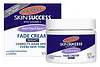 Key Ingredients
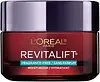
Benefits
Concerns
Ingredients Side-by-side
Water
Skin ConditioningGlyceryl Stearate
Emollient
Paraffinum Liquidum
Emollient

Stearyl Stearate
Emollient
Niacinamide
Smoothing











Propylene Glycol
Humectant


Cetearyl Alcohol
Emollient


PEG-100 Stearate
Surfactant
Ceteareth-20
CleansingPEG-75 Lanolin
Emollient
Dimethicone
Emollient
Isopropyl Myristate
Emollient
Retinol
Skin Conditioning
Tricholoma Matsutake Extract
Skin ConditioningTocopheryl Acetate
Antioxidant

Lavandula Angustifolia Oil
Masking



Leuconostoc/Radish Root Ferment Filtrate
Antimicrobial
Ascorbyl Glucoside
Antioxidant
Butylene Glycol
Humectant
Xanthan Gum
EmulsifyingDisodium EDTA
Magnesium Aluminum Silicate
Absorbent
Caprylic/Capric Triglyceride
Masking
Sodium Sulfite
Preservative
Sodium Metabisulfite
Antioxidant
Citric Acid
Buffering
BHT
Antioxidant
Phenoxyethanol
Preservative
Ethylhexylglycerin
Skin ConditioningSodium Lauryl Sulfate
Cleansing

Sodium Sulfate
Linalool
Perfuming
Limonene
Perfuming
Water, Glyceryl Stearate, Paraffinum Liquidum, Stearyl Stearate, Niacinamide, Propylene Glycol, Cetearyl Alcohol, PEG-100 Stearate, Ceteareth-20, PEG-75 Lanolin, Dimethicone, Isopropyl Myristate, Retinol, Tricholoma Matsutake Extract, Tocopheryl Acetate, Lavandula Angustifolia Oil, Leuconostoc/Radish Root Ferment Filtrate, Ascorbyl Glucoside, Butylene Glycol, Xanthan Gum, Disodium EDTA, Magnesium Aluminum Silicate, Caprylic/Capric Triglyceride, Sodium Sulfite, Sodium Metabisulfite, Citric Acid, BHT, Phenoxyethanol, Ethylhexylglycerin, Sodium Lauryl Sulfate, Sodium Sulfate, Linalool, Limonene
Water
Skin ConditioningGlycerin
Humectant
Isohexadecane
EmollientIsopropyl Isostearate
Emollient
Niacinamide
Smoothing
Aluminum Starch Octenylsuccinate
Absorbent
Nylon-12

Dimethicone
Emollient
Cetyl Alcohol
Emollient
Polyethylene
Abrasive
Stearyl Alcohol
Emollient
Cetearyl Alcohol
Emollient
Stearic Acid
Cleansing
Behenyl Alcohol
Emollient
Phenoxyethanol
Preservative
Synthetic Fluorphlogopite
Palmitic Acid
Emollient
Polyacrylamide
Capryloyl Salicylic Acid
Exfoliating
Sodium Acrylates Copolymer
Caprylic/Capric Triglyceride
Masking
CI 77891
Cosmetic ColorantPEG-100 Stearate
Surfactant
Caffeine
Skin Conditioning
Ascorbyl Glucoside
Antioxidant
C13-14 Isoparaffin
Emollient
Cetearyl Glucoside
Emulsifying
Dimethiconol
Emollient
Tocopherol
Antioxidant
Sodium Hyaluronate
Humectant
Retinyl Palmitate
Skin Conditioning
Disodium EDTA
Sodium Hydroxide
BufferingLaureth-7
EmulsifyingAdenosine
Skin Conditioning
Myristic Acid
Cleansing
PEG-30 Dipolyhydroxystearate
Emulsifying
Sorbitan Oleate
Emulsifying
Tin Oxide
Abrasive
Ceramide AP
Skin Conditioning
Water, Glycerin, Isohexadecane, Isopropyl Isostearate, Niacinamide, Aluminum Starch Octenylsuccinate, Nylon-12, Dimethicone, Cetyl Alcohol, Polyethylene, Stearyl Alcohol, Cetearyl Alcohol, Stearic Acid, Behenyl Alcohol, Phenoxyethanol, Synthetic Fluorphlogopite, Palmitic Acid, Polyacrylamide, Capryloyl Salicylic Acid, Sodium Acrylates Copolymer, Caprylic/Capric Triglyceride, CI 77891, PEG-100 Stearate, Caffeine, Ascorbyl Glucoside, C13-14 Isoparaffin, Cetearyl Glucoside, Dimethiconol, Tocopherol, Sodium Hyaluronate, Retinyl Palmitate, Disodium EDTA, Sodium Hydroxide, Laureth-7, Adenosine, Myristic Acid, PEG-30 Dipolyhydroxystearate, Sorbitan Oleate, Tin Oxide, Ceramide AP
Reviews
Ingredients Explained
These ingredients are found in both products.
Ingredients higher up in an ingredient list are typically present in a larger amount.
Ascorbyl Glucoside (AA-2G) is one of the most stable vitamin C derivatives out there.
It's made by attaching a glucose molecule to ascorbic acid; this glucose "cap" shields the vitamin C from air, light, heat, and metal ions that normally cause pure ascorbic acid to oxidize.
Once on your skin, the enzyme alpha-glucosidase snips off the glucose and gradually releases active ascorbic acid right where it's needed. Basically, it behaves like a slow-release pro-vitamin C with less of a stinging that high-strength ascorbic acid can cause.
The research supports the classic vitamin C benefits as well. In lab and human studies, AA-2G slowed down the skin's production of melanin (the pigment behind dark spots) and helped shield skin cells against sun damage better than ascorbyl phosphate.
These studies also showed AA-2G released vitamin C over a longer period.
A frequently cited manufacturer trial found that a 2% AA-2G face cream significantly improved wrinkle depth and skin roughness after 45 days.
And in 2009, a clinical trial showed it meaningfully lightened dark patches on the gums compared to a placebo.
There's also collagen-synthesis support (since vitamin C is a required cofactor for that) and an antioxidant effect too.
Typical usage is usually between 0.5-5% and most studies/products land around 2%.
AA-2G performs best when formulated at a mildly acidic pH (~5-7) which is much gentler than the pH that pure vitamin C demands (~2.5-3.5).
Just one thing worth knowing: the in-skin conversation rate is only about 55-60% by weight. So a 5% AA-2G product delivers roughly 2.75-3% of actual active vitamin C. On top of that, skin absorption is relatively low because the ingredient is water-soluble.
Learn more about Ascorbyl GlucosideCaprylic/Capric Triglyceride (aka MCT Oil) is a lightweight emollient, solvent, and texture enhancer. It is considered a skin-softener by helping to prevent moisture loss.
Though it behaves like an oil, it is not technically one due to its chemical composition. One perk of this ingredient is that it is very stable, resistant to oxidation, and unlikely to go rancid.
In practice, that translates to a long shelf life and a consistently elegant skin feel.
While there is an assumption Caprylic Triglyceride can clog pores due to it being derived from coconut oil, there is no research supporting this. Just patch test if you have concerns.
Fractionated coconut oil and MCT Oil are both listed as Caprylic/Capric Triglyceride according to INCI. This is because INCI names are based on the ingredient’s final chemical composition and not its marketing name or source.
This ingredient is treated as the gold standard fungal acne safe oil. Even though it is coconut derived, the problematic lauric acid is stripped out.
This leaves just caprylic (C8) and capric (C10) acid. These chain lengths actually trend antifungal; a 2020 study found caprylic acid was enough to disrupt Malassezia furfur cell membrane, with a caprylic acid derivative damaging membrane structures at concentrations as low as 0.2%.
Learn more about Caprylic/Capric TriglycerideCetearyl alcohol is a waxy mixture of two fatty alcohols: cetyl alcohol and stearyl alcohol. It is an emollient and emulsifier.
Despite having "alcohol" in its name, it has nothing to do with drying solvent alcohols; the FDA also allows "alcohol-free" products to contain fatty alcohols like this ingredient.
It plays several roles in a formula:
Typical use levels for this ingredient sit around 1-10% and the Cosmetic Ingredient Review Expert Panel has affirmed safety at concentrations up to 25% in leave-on products.
Multiple assessments have found it to be non-irritating and non-sensitizing to most people.
However, there have been some cases of allergic contact dermatitis in patients with chronically compromised skin barriers.
Cetearyl alcohol has a comedogenic rating of 2 and irritancy rating of 1. Both of these numbers come from the 1989 study that used rabbit ears; a "2" means mildly comedogenic and a "1" means low irritancy.
Here's the catch: rabbit skin is more sensitive than human skin and throws a lot of false positives. A 1996 reappraisal found that ingredients rated 1-2 in the rabbit ear tests are generally safe for humans.
Remember comedogenic ratings are unable to assess the entire formula of a product or how it will react on your skin. Just be sure to patch test if you are unsure about certain ingredients.
This ingredient is not fungal acne safe. Cetearyl alcohol is a fatty alcohol with chain lengths that fall within the range that Malassezia can metabolize.
A 2019 study has also observed Malassezia growth in the presence of this ingredient, confirming it to be not-fungal acne safe.
Learn more about Cetearyl AlcoholDimethicone is a type of synthetic silicone created from natural materials such as quartz. It is also known as polydimethylsiloxane.
What it does:
Dimethicone comes in different viscosities:
Depending on the viscosity, dimethicone has different properties.
Ingredients lists don't always show which type is used, so we recommend reaching out to the brand if you have questions about the viscosity.
This ingredient is unlikely to cause irritation because it does not get absorbed into skin. However, people with silicone allergies should be careful about using this ingredient.
Note: Dimethicone may contribute to pilling. This is because it is not oil or water soluble, so pilling may occur when layered with products. When mixed with heavy oils in a formula, the outcome is also quite greasy.
Learn more about DimethiconeDisodium EDTA is a chelating agent. It grabs onto and deactivates metal ions that sneak into your products from water, packaging, or air.
This ingredient mainly works behind the scenes and helps with:
On top of that, this ingredient can counteract the effects of hard water by binding to the minerals in it.
One thing worth knowing is that Disodium EDTA has been shown to be a mild penetration enhancer. It can help other ingredients absorb into skin more effectively which can be a double-edged sword (great for actives, but can also make the active too strong if you have sensitive skin).
Clinical patch testing showed no significant skin irritation at typical use concentrations and minimal dermal absorption.
You'll most likely see this ingredient near the end of an ingredient list. It's typically found in concentrations less than 1%.
Learn more about Disodium EDTANiacinamide is a multitasking form of vitamin B3 that strengthens the skin barrier, reduces pores and dark spots, regulates oil, and improves signs of aging.
And the best part? It's gentle and well-tolerated by most skin types, including sensitive and reactive skin.
You might have heard of "niacin flush", or the reddening of skin that causes itchiness. Niacinamide has not been found to cause this.
In very rare cases, some individuals may not be able to tolerate niacinamide at all or experience an allergic reaction to it.
If you are experiencing flaking, irritation, and dryness with this ingredient, be sure to double check all your products as this ingredient can be found in all categories of skincare.
When incorporating niacinamide into your routine, look out for concentration amounts. Typically, 5% niacinamide provides benefits such as fading dark spots. However, if you have sensitive skin, it is better to begin with a smaller concentration.
When you apply niacinamide to your skin, your body converts it into nicotinamide adenine dinucleotide (NAD). NAD is an essential coenzyme that is already found in your cells as "fuel" and powers countless biological processes.
In your skin, NAD helps repair cell damage, produce new healthy cells, support collagen production, strengthen the skin barrier, and fight environmental stressors (like UV and pollution).
Our natural NAD levels start to decline with age, leading to slower skin repair, visible aging, and a weaker skin barrier. By providing your skin niacinamide, you're recharging your skin's NAD levels. This leads to stronger, healthier, and younger looking skin.
Another name for vitamin B3 is nicotinamide. This vitamin is water-soluble and our bodies don't store it. We obtain Vitamin B3 from either food or skincare. Meat, fish, wheat, yeast, and leafy greens contain vitamin B3.
The type of niacinamide used in skincare is synthetically created.
Learn more about NiacinamidePeg-100 Stearate is an emollient and emulsifier. As an emollient, it helps keep skin soft by trapping moisture in. On the other hand, emulsifiers help prevent oil and water from separating in a product.
PEGS are a hydrophilic polyether compound . There are 100 ethylene oxide monomers in Peg-100 Stearate. Peg-100 Stearate is polyethylene glycol ester of stearic acid.
Phenoxyethanol is a preservative that has germicide, antimicrobial, and aromatic properties. Studies show that phenoxyethanol can prevent microbial growth. By itself, it has a scent that is similar to that of a rose.
It's often used in formulations along with Caprylyl Glycol to preserve the shelf life of products.
Water. It's the most common cosmetic ingredient of all. You'll usually see it at the top of ingredient lists, meaning that it makes up the largest part of the product.
So why is it so popular? Water most often acts as a solvent - this means that it helps dissolve other ingredients into the formulation.
You'll also recognize water as that liquid we all need to stay alive. If you see this, drink a glass of water. Remember to stay hydrated!
Learn more about Water
