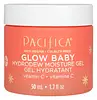
This brightening moisturizer is formulated around Beta-Glucan and Tetrahexyldecyl Ascorbate to brighten dull-looking skin and hydrate skin.
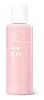
This hydrating emulsion is formulated around Galactomyces Ferment Filtrate to hydrate skin and strengthen the skin barrier.


What's inside
What's inside
 Key Ingredients
Benefits
Concerns
Ingredients Side-by-side
Water
Skin ConditioningGlycerin
Humectant


Beta-Glucan
Skin Conditioning

Algin
MaskingXanthan Gum
EmulsifyingHydrolyzed Jojoba Esters
Skin Conditioning

Cetearyl Olivate
Sorbitan Olivate
Emulsifying
Coconut Alkanes
Emollient


Coco-Caprylate/Caprate
Emollient
Diheptyl Succinate
EmollientCapryloyl Glycerin
Glycol/Sebacic Acid Copolymer
Abrasive
Biosaccharide Gum-1
Humectant
Ceramide AP
Skin Conditioning

1,2-Hexanediol
Skin Conditioning
Arginine
Masking
Aloe Barbadensis Leaf Juice
Skin Conditioning
Tetrahexyldecyl Ascorbate
Antioxidant




Vitis Vinifera Juice
Antioxidant
Cucurbita Pepo Seed Oil
Emollient
Bisabolol
Antioxidant
Tocopherol
Antioxidant

Boswellia Serrata Resin Extract
SmoothingTerminalia Ferdinandiana Fruit Extract
Antioxidant
Ascorbic Acid
Antioxidant
Niacinamide
Smoothing


Ethylhexylglycerin
Skin ConditioningHydroxyethylcellulose
Emulsion StabilisingGluconolactone
Chelating
Sodium Benzoate
Masking
Parfum
Masking


Water, Glycerin, Beta-Glucan, Algin, Xanthan Gum, Hydrolyzed Jojoba Esters, Cetearyl Olivate, Sorbitan Olivate, Coconut Alkanes, Coco-Caprylate/Caprate, Diheptyl Succinate, Capryloyl Glycerin, Glycol/Sebacic Acid Copolymer, Biosaccharide Gum-1, Ceramide AP, 1,2-Hexanediol, Arginine, Aloe Barbadensis Leaf Juice, Tetrahexyldecyl Ascorbate, Vitis Vinifera Juice, Cucurbita Pepo Seed Oil, Bisabolol, Tocopherol, Boswellia Serrata Resin Extract, Terminalia Ferdinandiana Fruit Extract, Ascorbic Acid, Niacinamide, Ethylhexylglycerin, Hydroxyethylcellulose, Gluconolactone, Sodium Benzoate, Parfum
Prunus Persica Fruit Extract 77%
Abrasive
Glycerin
Humectant
Ethylhexyl Stearate
Emollient
Dipropylene Glycol
HumectantMethyl Niacinamide Chloride 2%
Skin Conditioning
1,2-Hexanediol
Skin Conditioning
Lactobacillus/Rice Ferment
Skin Conditioning
Polyglyceryl-3 Distearate
Emulsifying
Cetearyl Alcohol
Emollient
Hydrogenated Poly(C6-14 Olefin)
EmollientSodium Hyaluronate
Humectant
Glyceryl Stearate
Emollient
Sodium Stearoyl Glutamate
CleansingCarbomer
Emulsion StabilisingGalactomyces Ferment Filtrate
Humectant
Bifida Ferment Lysate
Skin Conditioning
Water
Skin ConditioningArginine
Masking
Glyceryl Stearate Citrate
Emollient
Disodium EDTA
ChelatingAdenosine
Skin Conditioning
Methylpropanediol
SolventBetaine Salicylate
Antimicrobial
Panthenol
Skin Conditioning
Cyanocobalamin
Skin ConditioningCeramide NP
Skin Conditioning
Saccharomyces Ferment Filtrate
Humectant
Hydrolyzed Hyaluronic Acid
Humectant
Sodium Acetylated Hyaluronate
Humectant
Parfum
Masking
Hydroxyacetophenone
Antioxidant
Ethylhexylglycerin
Skin ConditioningPrunus Persica Fruit Extract 77%, Glycerin, Ethylhexyl Stearate, Dipropylene Glycol, Methyl Niacinamide Chloride 2%, 1,2-Hexanediol, Lactobacillus/Rice Ferment, Polyglyceryl-3 Distearate, Cetearyl Alcohol, Hydrogenated Poly(C6-14 Olefin), Sodium Hyaluronate, Glyceryl Stearate, Sodium Stearoyl Glutamate, Carbomer, Galactomyces Ferment Filtrate, Bifida Ferment Lysate, Water, Arginine, Glyceryl Stearate Citrate, Disodium EDTA, Adenosine, Methylpropanediol, Betaine Salicylate, Panthenol, Cyanocobalamin, Ceramide NP, Saccharomyces Ferment Filtrate, Hydrolyzed Hyaluronic Acid, Sodium Acetylated Hyaluronate, Parfum, Hydroxyacetophenone, Ethylhexylglycerin
Reviews
Ingredients Explained
These ingredients are found in both products.
Ingredients higher up in an ingredient list are typically present in a larger amount.
1,2-Hexanediol is a synthetic liquid and another multi-functional powerhouse.
It is a:
- Humectant, drawing moisture into the skin
- Emollient, helping to soften skin
- Solvent, dispersing and stabilizing formulas
- Preservative booster, enhancing the antimicrobial activity of other preservatives
Arginine is a semi-essential amino acid. This just means our bodies can product a bit on its own, but sometimes needs a little boost from food sources.
It is a part of your skin's natural moisturizing factor (NMF), or the water-loving molecules in your outermost layer of skin (stratum corneum) that keeps everything hydrated and happy.
Here's an interesting thing about Arginine: your skin converts it into urea through the Krebs-Henseleit urea cycle. Urea is one of the most effective humectants your skin naturally produces.
A clinical study showed applying 2.5% arginine hydrochloride to atopic dermatitis skin showed significant urea levels in the stratum corneum and improved moisture in just four weeks.
Arginine is also a precursor to nitric oxide; nitric oxide improves microcirculation and supports wound healing and collagen synthesis.
One study found that an amino acid complex containing Arginine reduced skin irritation, improved hydration, and accelerated skin repair in clinical / in-vivo studies.
Arginine itself is an amino acid and not a fatty acid, oil, or ester. On its own, it's not a direct food source for Malassezia, or the yeast that causes fungal acne.
Learn more about ArginineEthylhexylglycerin is created from glycerin. It is a multitasker ingredient that:
The CIR Expert Panel found minimal skin absorption or sensitization of any kind in a safety assessment. Though this ingredient is considered well-tolerated, a small number of cases of allergic dermatitis have been published since 2002. Just be sure to patch test if you are unsure.
Industry-reported use ranges from 8% in rinse-off products and 2% in leave-on formulations.
Learn more about EthylhexylglycerinGlycerin (or glycerol) is a compound naturally found in your skin. It's a powerhouse humectant that pulls water into the stratum corneum.
Topically, glycerin does several things at once:
Your skin makes glycerin on its own (mostly from sebaceous oil breakdown) and shuttles it to your outermost layer of skin, or your epidermis, via aquaporin-3.
Aquaporin-3 is a transporter that is essential for normal skin hydration, elasticity, and repair. Interestingly, mice lacking in AQP3 have dry and less elastic skin that can be fully corrected with glycerin.
This ingredient is non-irritating, plays well with almost every ingredient, and works across all skin types. Typical use is anywhere between 3-10% but can go up to 79% in some leave-on products.
Just know very high concentrations (>40%) can feel tacky in low humidity.
Glycerin is the name for this ingredient in American English. British English uses Glycerol/Glycerine.
Learn more about GlycerinParfum is a catch-all term for an ingredient or more that is used to give a scent to products.
Also called "fragrance", this ingredient can be a blend of hundreds of chemicals or plant oils. This means every product with "fragrance" or "parfum" in the ingredients list is a different mixture.
For instance, Habanolide is a proprietary trade name for a specific aroma chemical. When used as a fragrance ingredient in cosmetics, most aroma chemicals fall under the broad labeling category of “FRAGRANCE” or “PARFUM” according to EU and US regulations.
The term 'parfum' or 'fragrance' is not regulated in many countries. In many cases, it is up to the brand to define this term.
For instance, many brands choose to label themselves as "fragrance-free" because they are not using synthetic fragrances. However, their products may still contain ingredients such as essential oils that are considered a fragrance by INCI standards.
One example is Calendula flower extract. Calendula is an essential oil that still imparts a scent or 'fragrance'.
Depending on the blend, the ingredients in the mixture can cause allergies and sensitivities on the skin. Some ingredients that are known EU allergens include linalool and citronellol.
Parfum can also be used to mask or cover an unpleasant scent.
The bottom line is: not all fragrances/parfum/ingredients are created equally. If you are worried about fragrances, we recommend taking a closer look at an ingredient. And of course, we always recommend speaking with a professional.
Learn more about ParfumWater. It's the most common cosmetic ingredient of all. You'll usually see it at the top of ingredient lists, meaning that it makes up the largest part of the product.
So why is it so popular? Water most often acts as a solvent - this means that it helps dissolve other ingredients into the formulation.
You'll also recognize water as that liquid we all need to stay alive. If you see this, drink a glass of water. Remember to stay hydrated!
Learn more about Water

