
What's inside
What's inside
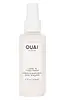 Key Ingredients
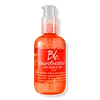
Benefits
Concerns
Ingredients Side-by-side
Water
Skin ConditioningCyclopentasiloxane
Emollient
Cetearyl Alcohol
Emollient



Quaternium-91
Parfum
Masking


Phenoxyethanol
Preservative
Adansonia Digitata Seed Oil
Emollient

Argania Spinosa Kernel Oil
Emollient


Oenothera Biennis Oil
Emollient
Tocopheryl Acetate
Antioxidant

Hydrolyzed Rhodophyceae Extract
Tamarindus Indica Extract
SmoothingPanthenol
Skin Conditioning

Cetearamidoethyldiethonium Succinoyl Hydrolyzed Pea Protein
CleansingArginine
Masking
Aspartic Acid
Masking
PCA
Humectant
Glycine
Buffering
Alanine
MaskingSerine
Masking
Valine
MaskingIsoleucine
Skin ConditioningProline
Skin ConditioningThreonine
Sodium Hyaluronate
Humectant
Histidine
Humectant
Brassica Campestris/Aleurites Fordi Oil Copolymer
Skin Conditioning
Cetrimonium Chloride
Antimicrobial
Glycerin
Humectant
Dipropylene Glycol
HumectantPolysilicone-29
Behentrimonium Chloride
Preservative
Myristyl Myristate
Emollient
Silicone Quaternium-16
Skin Conditioning
Leuconostoc/Radish Root Ferment Filtrate
Antimicrobial
Butylene Glycol
Humectant
Undeceth-11
EmollientButyloctanol
HumectantGuar Hydroxypropyltrimonium Chloride
Skin ConditioningUndeceth-5
Emulsifying3-O-Ethyl Ascorbic Acid
Skin Conditioning


Sodium PCA
Humectant
Sodium Lactate
BufferingPhenylalanine
Masking
Disodium EDTA
Citric Acid
Buffering

Citronellol
Perfuming

Geraniol
Perfuming
Alpha-Isomethyl Ionone
Perfuming
Cinnamyl Alcohol
Perfuming
Citral
Perfuming
Linalool
Perfuming
Hydroxycitronellal
Perfuming
Limonene
Perfuming
Water, Cyclopentasiloxane, Cetearyl Alcohol, Quaternium-91, Parfum, Phenoxyethanol, Adansonia Digitata Seed Oil, Argania Spinosa Kernel Oil, Oenothera Biennis Oil, Tocopheryl Acetate, Hydrolyzed Rhodophyceae Extract, Tamarindus Indica Extract, Panthenol, Cetearamidoethyldiethonium Succinoyl Hydrolyzed Pea Protein, Arginine, Aspartic Acid, PCA, Glycine, Alanine, Serine, Valine, Isoleucine, Proline, Threonine, Sodium Hyaluronate, Histidine, Brassica Campestris/Aleurites Fordi Oil Copolymer, Cetrimonium Chloride, Glycerin, Dipropylene Glycol, Polysilicone-29, Behentrimonium Chloride, Myristyl Myristate, Silicone Quaternium-16, Leuconostoc/Radish Root Ferment Filtrate, Butylene Glycol, Undeceth-11, Butyloctanol, Guar Hydroxypropyltrimonium Chloride, Undeceth-5, 3-O-Ethyl Ascorbic Acid, Sodium PCA, Sodium Lactate, Phenylalanine, Disodium EDTA, Citric Acid, Citronellol, Geraniol, Alpha-Isomethyl Ionone, Cinnamyl Alcohol, Citral, Linalool, Hydroxycitronellal, Limonene
Dimethicone
Emollient
Hydrogenated Ethylhexyl Olivate
EmollientIsododecane
EmollientDimethiconol
Emollient
Vitis Vinifera Seed Extract
Antimicrobial
Gardenia Taitensis Flower Extract
Skin ConditioningBis-Cetearyl Amodimethicone
Macadamia Ternifolia Seed Oil
Emollient
Hydrogenated Olive Oil Unsaponifiables
Emollient
Cocos Nucifera Oil
Masking
Vitis Vinifera Seed Oil
Emollient
Prunus Amygdalus Dulcis Oil
Skin Conditioning
Argania Spinosa Kernel Oil
Emollient
Carthamus Tinctorius Seed Oil
Masking
Butyl Methoxydibenzoylmethane
UV Absorber
Ethylhexyl Methoxycinnamate
UV Absorber
Ethylhexyl Salicylate
UV Absorber
Squalane
Emollient
Tocopherol
Antioxidant
Linalool
Perfuming
Butylphenyl Methylpropional
Perfuming
Hexyl Cinnamal
Perfuming
Limonene
Perfuming
Parfum
Masking
Dimethicone, Hydrogenated Ethylhexyl Olivate, Isododecane, Dimethiconol, Vitis Vinifera Seed Extract, Gardenia Taitensis Flower Extract, Bis-Cetearyl Amodimethicone, Macadamia Ternifolia Seed Oil, Hydrogenated Olive Oil Unsaponifiables, Cocos Nucifera Oil, Vitis Vinifera Seed Oil, Prunus Amygdalus Dulcis Oil, Argania Spinosa Kernel Oil, Carthamus Tinctorius Seed Oil, Butyl Methoxydibenzoylmethane, Ethylhexyl Methoxycinnamate, Ethylhexyl Salicylate, Squalane, Tocopherol, Linalool, Butylphenyl Methylpropional, Hexyl Cinnamal, Limonene, Parfum
Reviews
Ingredients Explained
These ingredients are found in both products.
Ingredients higher up in an ingredient list are typically present in a larger amount.
You may know this ingredient as argan oil. Argan Oil has antioxidant, hydrating, and soothing properties.
Studies have shown argan oil can help fight again radical damage from the sun. This makes it effective at preventing hyperpigmentation.
Large amounts of vitamin E found in argan oil helps the skin retain water. Argan oil also contains fatty acids such as linoleic acid, oleic acid, and palmitic acid. It is also a good source of lipids.
Another benefit of argan oil is skin-soothing. It can help reduce inflammation-related skin symptoms.
Argan Oil is effective at regulating sebum production in pores. This can make it effective at treating hormonal acne.
Traditionally, argan oil was used for its antibacterial and antifungal properties. However, argan oil contains fatty acids that may make it not fungal-acne safe.
Argan Trees are native to Morocco.
Learn more about Argania Spinosa Kernel OilLimonene is a fragrance that adds scent and taste to a formulation.
It's found in the peel oil of citrus fruits and other plants such as lavender and eucalyptus. The scent of limonene is generally described as "sweet citrus".
Limonene acts as an antioxidant, meaning it helps neutralize free radicals.
When exposed to air, oxidized limonene may sensitize the skin. Because of this, limonene is often avoided by people with sensitive skin.
The term 'fragrance' is not regulated in many countries. In many cases, it is up to the brand to define this term. For instance, many brands choose to label themselves as "fragrance-free" because they are not using synthetic fragrances. However, their products may still contain ingredients such as essential oils that are considered a fragrance.
Learn more about LimoneneLinalool is a fragrance and helps add scent to products. It's derived from common plants such as cinnamon, mint, citrus, and lavender.
Like Limonene, this ingredient oxidizes when exposed to air. Oxidized linalool can cause allergies and skin sensitivity.
This ingredient has a scent that is floral, spicy tropical, and citrus-like.
Learn more about LinaloolParfum is a catch-all term for an ingredient or more that is used to give a scent to products.
Also called "fragrance", this ingredient can be a blend of hundreds of chemicals or plant oils. This means every product with "fragrance" or "parfum" in the ingredients list is a different mixture.
For instance, Habanolide is a proprietary trade name for a specific aroma chemical. When used as a fragrance ingredient in cosmetics, most aroma chemicals fall under the broad labeling category of “FRAGRANCE” or “PARFUM” according to EU and US regulations.
The term 'parfum' or 'fragrance' is not regulated in many countries. In many cases, it is up to the brand to define this term.
For instance, many brands choose to label themselves as "fragrance-free" because they are not using synthetic fragrances. However, their products may still contain ingredients such as essential oils that are considered a fragrance by INCI standards.
One example is Calendula flower extract. Calendula is an essential oil that still imparts a scent or 'fragrance'.
Depending on the blend, the ingredients in the mixture can cause allergies and sensitivities on the skin. Some ingredients that are known EU allergens include linalool and citronellol.
Parfum can also be used to mask or cover an unpleasant scent.
The bottom line is: not all fragrances/parfum/ingredients are created equally. If you are worried about fragrances, we recommend taking a closer look at an ingredient. And of course, we always recommend speaking with a professional.
Learn more about Parfum
