

What's inside
What's inside
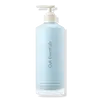 Key Ingredients
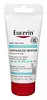
Benefits
Concerns
Ingredients Side-by-side
Water
Skin ConditioningCocos Nucifera Oil
Masking








Cetyl Alcohol
Emollient
Simmondsia Chinensis Seed Oil
Emollient

Butyrospermum Parkii Butter
Skin Conditioning
Cetearyl Olivate
Sorbitan Olivate
Emulsifying
Tanacetum Annuum Flower Oil
Masking
Coccinia Indica Fruit Extract
Skin Conditioning

Lavandula Angustifolia Oil
Masking


Ocimum Sanctum Leaf Extract
Skin ConditioningOcimum Basilicum Flower/Leaf Extract
TonicCurcuma Longa Root Extract
Antioxidant
Solanum Melongena Fruit Extract
Skin ConditioningRosmarinus Officinalis Leaf Extract
AntimicrobialCorallina Officinalis Extract
Skin Conditioning
Argania Spinosa Kernel Oil
Emollient

Linalool
Perfuming
Helianthus Annuus Extract
Emollient
Melia Azadirachta Leaf Extract
Skin ConditioningMelia Azadirachta Flower Extract
Skin ConditioningOryza Sativa Bran Extract
Skin Conditioning
Aloe Barbadensis Flower Extract
EmollientEugenol
Perfuming
Coumarin
Perfuming
Caprylyl Glycol
Emollient
Glyceryl Stearate Se
Emulsifying
Triethyl Citrate
Masking
Sodium Stearoyl Glutamate
CleansingCarbomer
Emulsion StabilisingHydroxyacetophenone
Antioxidant
Potassium Sorbate
Preservative
Sodium Benzoate
Masking
Glyceryl Undecylenate
Emollient
Glyceryl Laurate
Emollient
Glycerin
Humectant
Tetrasodium Glutamate Diacetate
ChelatingLimonene
Perfuming
Tocopherol
Antioxidant


Geraniol
Perfuming
Citronellol
Perfuming
Benzyl Benzoate
Antimicrobial
Citral
Perfuming
Hexyl Cinnamal
Perfuming
Farnesol
Perfuming
Citric Acid
Buffering
Sodium Hydroxide
BufferingParfum
Masking
Water, Cocos Nucifera Oil, Cetyl Alcohol, Simmondsia Chinensis Seed Oil, Butyrospermum Parkii Butter, Cetearyl Olivate, Sorbitan Olivate, Tanacetum Annuum Flower Oil, Coccinia Indica Fruit Extract, Lavandula Angustifolia Oil, Ocimum Sanctum Leaf Extract, Ocimum Basilicum Flower/Leaf Extract, Curcuma Longa Root Extract, Solanum Melongena Fruit Extract, Rosmarinus Officinalis Leaf Extract, Corallina Officinalis Extract, Argania Spinosa Kernel Oil, Linalool, Helianthus Annuus Extract, Melia Azadirachta Leaf Extract, Melia Azadirachta Flower Extract, Oryza Sativa Bran Extract, Aloe Barbadensis Flower Extract, Eugenol, Coumarin, Caprylyl Glycol, Glyceryl Stearate Se, Triethyl Citrate, Sodium Stearoyl Glutamate, Carbomer, Hydroxyacetophenone, Potassium Sorbate, Sodium Benzoate, Glyceryl Undecylenate, Glyceryl Laurate, Glycerin, Tetrasodium Glutamate Diacetate, Limonene, Tocopherol, Geraniol, Citronellol, Benzyl Benzoate, Citral, Hexyl Cinnamal, Farnesol, Citric Acid, Sodium Hydroxide, Parfum
Glycerin
Humectant
Urea
Buffering

Glyceryl Stearate
Emollient
Dibutyl Adipate
EmollientStearyl Alcohol
Emollient
Dicaprylyl Ether
Emollient
Cetearyl Alcohol
Emollient
Sodium Lactate
Buffering
Tapioca Starch
Glyceryl Stearate Se
Emulsifying
Lactic Acid
Buffering
Sodium PCA
Humectant
Arginine Hcl
Skin ConditioningGlycine
Buffering
Alanine
Masking
Carnitine
Cleansing
Helianthus Annuus Seed Oil
Emollient
Dimethicone
Emollient
Xanthan Gum
EmulsifyingPentylene Glycol
Skin Conditioning
Phenoxyethanol
Preservative
Sodium Cetearyl Sulfate
Cleansing
Glycerin, Urea, Glyceryl Stearate, Dibutyl Adipate, Stearyl Alcohol, Dicaprylyl Ether, Cetearyl Alcohol, Sodium Lactate, Tapioca Starch, Glyceryl Stearate Se, Lactic Acid, Sodium PCA, Arginine Hcl, Glycine, Alanine, Carnitine, Helianthus Annuus Seed Oil, Dimethicone, Xanthan Gum, Pentylene Glycol, Phenoxyethanol, Sodium Cetearyl Sulfate
Ingredients Explained
These ingredients are found in both products.
Ingredients higher up in an ingredient list are typically present in a larger amount.
Glycerin (or glycerol) is a compound naturally found in your skin. It's a powerhouse humectant that pulls water into the stratum corneum.
Topically, glycerin does several things at once:
Your skin makes glycerin on its own (mostly from sebaceous oil breakdown) and shuttles it to your outermost layer of skin, or your epidermis, via aquaporin-3.
Aquaporin-3 is a transporter that is essential for normal skin hydration, elasticity, and repair. Interestingly, mice lacking in AQP3 have dry and less elastic skin that can be fully corrected with glycerin.
This ingredient is non-irritating, plays well with almost every ingredient, and works across all skin types. Typical use is anywhere between 3-10% but can go up to 79% in some leave-on products.
Just know very high concentrations (>40%) can feel tacky in low humidity.
Glycerin is the name for this ingredient in American English. British English uses Glycerol/Glycerine.
Learn more about GlycerinGlyceryl Stearate SE is a self-emulsifying (SE) form of Glyceryl Stearate. It comes with a small amount of soap (usually potassium or sodium stearate) that gives it the "SE" part.
That soap lets it pull oil and water together on its own which is why it shows up as an emulsifier, thickener, and emollient.
Industry survey data shows this ingredient is used around 1-5% but Glyceryl Stearate goes as high at 17% in a leave-on deodorant.
Safety-wise, it's pretty boring: it's been deemed safe for topical use in 1982 and again most recently in 2021 by the CIR. Human repeat insult patch tests come back non-irritating, non-sensitizing, non-phototoxic, and non-photoallergenic.
This ingredient does carry a comedogenic rating of 3 from the old rabbit-ear assay. Just remember testing finished products in humans showed that formulas built with "comedogenic" ingredients are not necessarily comedogenic themselves. It's worth patch testing if you're breakout prone, and always listen to your skin.
The Malassezia yeast can potentially metabolize the stearic acid in this ingredient, so it may not be fungal acne safe.
Allergy is rare: a 310-patient patch test study of common emulsifiers found this ingredient was not a meaningful reactor. Isolated case reports do exist so a true contact allergy is possible but uncommon.
Learn more about Glyceryl Stearate Se

