This chemical sunscreen covers the full UV range and blocks ~98% of UVB at SPF 50.
This mineral sunscreen covers the full UV range and blocks ~98% of UVB at SPF 50.

What's inside
What's inside
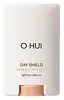 Key Ingredients
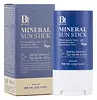
Benefits
Concerns
Ingredients Side-by-side
Water
Skin ConditioningButyloctyl Salicylate
Skin Conditioning

Synthetic Wax
Abrasive

Vinyl Dimethicone/Methicone Silsesquioxane Crosspolymer


Hexyl Laurate
Emollient

Cetyl Palmitate
Emollient
Caprylyl Methicone
Skin Conditioning
Ethylhexyl Salicylate
UV Absorber
Drometrizole Trisiloxane
UV Absorber
Dipropylene Glycol
HumectantBis-Ethylhexyloxyphenol Methoxyphenyl Triazine
UV Absorber
1,2-Hexanediol
Skin Conditioning
Glycerin
Humectant

Polyglyceryl-6 Polyricinoleate
Emulsifying
Pentaerythrityl Tetraisostearate
Emollient
Diethylamino Hydroxybenzoyl Hexyl Benzoate
UV Filter
Polyglyceryl-4 Oleate
Emulsifying
Polyglyceryl-6 Oleate
Emulsifying
Polyhydroxystearic Acid
Emulsifying
Xanthan Gum
EmulsifyingDisteardimonium Hectorite
StabilisingPropylene Carbonate
SolventMoringa Oleifera Seed Oil
Emollient



Chrysin
Skin ConditioningParfum
Masking


Hydroxycitronellal
Perfuming
Limonene
Perfuming
Linalool
Perfuming
Citronellol
Perfuming
Water, Butyloctyl Salicylate, Synthetic Wax, Vinyl Dimethicone/Methicone Silsesquioxane Crosspolymer, Hexyl Laurate, Cetyl Palmitate, Caprylyl Methicone, Ethylhexyl Salicylate, Drometrizole Trisiloxane, Dipropylene Glycol, Bis-Ethylhexyloxyphenol Methoxyphenyl Triazine, 1,2-Hexanediol, Glycerin, Polyglyceryl-6 Polyricinoleate, Pentaerythrityl Tetraisostearate, Diethylamino Hydroxybenzoyl Hexyl Benzoate, Polyglyceryl-4 Oleate, Polyglyceryl-6 Oleate, Polyhydroxystearic Acid, Xanthan Gum, Disteardimonium Hectorite, Propylene Carbonate, Moringa Oleifera Seed Oil, Chrysin, Parfum, Hydroxycitronellal, Limonene, Linalool, Citronellol
Coco-Caprylate/Caprate
Emollient
Helianthus Annuus Seed Wax
Skin Conditioning
Propylene Glycol Dicaprylate
EmollientHdi/Trimethylol Hexyllactone Crosspolymer
C12-15 Alkyl Benzoate
AntimicrobialTitanium Dioxide
Cosmetic Colorant
Dicaprylyl Carbonate
EmollientSynthetic Fluorphlogopite
Vinyldimethicone
Microcrystalline Wax
Emulsion StabilisingAluminum Stearate
Cosmetic ColorantPolyhydroxystearic Acid
Emulsifying
Portulaca Oleracea Extract
Skin Conditioning
Centella Asiatica Extract
Cleansing

Sodium Hyaluronate
Humectant
Hydrolyzed Hyaluronic Acid
Humectant
Sodium Acetylated Hyaluronate
Humectant
Caprylic/Capric Triglyceride
Masking
Polyglyceryl-4 Diisostearate/Polyhydroxystearate/Sebacate
Emulsifying
Silica
Abrasive
Alumina
Abrasive
Pentylene Glycol
Skin Conditioning
Allantoin
Skin Conditioning
Panthenol
Skin Conditioning
Glycerin
Humectant
Madecassic Acid
Skin Conditioning
Asiaticoside
Antioxidant
Asiatic Acid
Skin Conditioning
Xylitylglucoside
Humectant
Anhydroxylitol
Humectant
Xylitol
Humectant
Glucose
Humectant
Glyceryl Caprylate
EmollientTriethoxycaprylylsilane
Stearic Acid
Cleansing
Tocopherol
Antioxidant


Water
Skin Conditioning1,2-Hexanediol
Skin Conditioning
Ethylhexylglycerin
Skin ConditioningCoco-Caprylate/Caprate, Helianthus Annuus Seed Wax, Propylene Glycol Dicaprylate, Hdi/Trimethylol Hexyllactone Crosspolymer, C12-15 Alkyl Benzoate, Titanium Dioxide, Dicaprylyl Carbonate, Synthetic Fluorphlogopite, Vinyldimethicone, Microcrystalline Wax, Aluminum Stearate, Polyhydroxystearic Acid, Portulaca Oleracea Extract, Centella Asiatica Extract, Sodium Hyaluronate, Hydrolyzed Hyaluronic Acid, Sodium Acetylated Hyaluronate, Caprylic/Capric Triglyceride, Polyglyceryl-4 Diisostearate/Polyhydroxystearate/Sebacate, Silica, Alumina, Pentylene Glycol, Allantoin, Panthenol, Glycerin, Madecassic Acid, Asiaticoside, Asiatic Acid, Xylitylglucoside, Anhydroxylitol, Xylitol, Glucose, Glyceryl Caprylate, Triethoxycaprylylsilane, Stearic Acid, Tocopherol, Water, 1,2-Hexanediol, Ethylhexylglycerin
Ingredients Explained
These ingredients are found in both products.
Ingredients higher up in an ingredient list are typically present in a larger amount.
1,2-Hexanediol is a synthetic liquid and another multi-functional powerhouse.
It is a:
- Humectant, drawing moisture into the skin
- Emollient, helping to soften skin
- Solvent, dispersing and stabilizing formulas
- Preservative booster, enhancing the antimicrobial activity of other preservatives
Glycerin (or glycerol) is a compound naturally found in your skin. It's a powerhouse humectant that pulls water into the stratum corneum.
Topically, glycerin does several things at once:
Your skin makes glycerin on its own (mostly from sebaceous oil breakdown) and shuttles it to your outermost layer of skin, or your epidermis, via aquaporin-3.
Aquaporin-3 is a transporter that is essential for normal skin hydration, elasticity, and repair. Interestingly, mice lacking in AQP3 have dry and less elastic skin that can be fully corrected with glycerin.
This ingredient is non-irritating, plays well with almost every ingredient, and works across all skin types. Typical use is anywhere between 3-10% but can go up to 79% in some leave-on products.
Just know very high concentrations (>40%) can feel tacky in low humidity.
Glycerin is the name for this ingredient in American English. British English uses Glycerol/Glycerine.
Learn more about GlycerinPolyhydroxystearic Acid is a vegetable-derived soft wax made from castor oil. It's an emulsion stabilizer, thickener, and film former.
You'll likely see it in sunscreens because it helps disperse pigments and UV-reflecting minerals like titanium dioxide and zinc oxide evenly.
Depending on the concentration, it can drastically change the texture of a product from pasty solid (like lipstick) to sprayable liquid.
The CIR Expert Panel for Cosmetic Ingredient Safety has concluded this ingredient to be safe in cosmetics. The highest reported use concentration is 14.2% in lipsticks.
Learn more about Polyhydroxystearic AcidWater. It's the most common cosmetic ingredient of all. You'll usually see it at the top of ingredient lists, meaning that it makes up the largest part of the product.
So why is it so popular? Water most often acts as a solvent - this means that it helps dissolve other ingredients into the formulation.
You'll also recognize water as that liquid we all need to stay alive. If you see this, drink a glass of water. Remember to stay hydrated!
Learn more about Water

