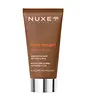
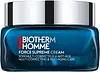
Nuxe Men Boost Revitalizing Global Anti-Aging Fluid Versus BIOTHERM Force Supreme Youth Architect Cream
This anti-aging moisturizer is formulated around Squalane and Hyaluronic Acid to soften the look of wrinkles and hydrate skin.
This anti-aging moisturizer is formulated around Vitreoscilla Ferment and Adenosine to soften the look of wrinkles.

What's inside
What's inside
 Key Ingredients
Benefits
Concerns
Ingredients Side-by-side
Water
Skin ConditioningGlycerin
Humectant


Dicaprylyl Ether
Emollient
Hydrogenated Coco-Glycerides
Emollient


Arachidyl Alcohol
Emollient
Persea Gratissima Oil
Skin Conditioning


Pentylene Glycol
Skin Conditioning
Squalane
Emollient
Butyrospermum Parkii Butter
Skin Conditioning
Polyglyceryl-6 Distearate
Emulsifying
Behenyl Alcohol
Emollient
Parfum
Masking


Juglans Regia Seed Oil
Skin Conditioning
Arachidyl Glucoside
EmulsifyingEthylhexylglycerin
Skin ConditioningSphingomonas Ferment Extract
Skin Conditioning
Xanthan Gum
Emulsifying1,2-Hexanediol
Skin Conditioning
Caprylyl Glycol
Emollient
Hyaluronic Acid
Humectant
Rosa Canina Fruit Oil
Emollient
Sodium Gluconate
Skin ConditioningMedicago Sativa Extract
TonicPolyglyceryl-4 Oleate
Emulsifying
Hemerocallis Fulva Flower Extract
Skin ConditioningFraxinus Excelsior Bark Extract
Skin ConditioningTropolone
Skin ConditioningTocopherol
Antioxidant



Tetramethyl Acetyloctahydronaphthalenes
Masking
Linalool
Perfuming
Acetyl Cedrene
Cedrus Atlantica Bark Oil
Masking
Pogostemon Cablin Leaf Oil
Masking
Citral
Perfuming
Pelargonium Graveolens Flower Oil
Masking
Limonene
Perfuming
Citronellol
Perfuming
Geraniol
Perfuming
Beta-Caryophyllene
Masking
Water, Glycerin, Dicaprylyl Ether, Hydrogenated Coco-Glycerides, Arachidyl Alcohol, Persea Gratissima Oil, Pentylene Glycol, Squalane, Butyrospermum Parkii Butter, Polyglyceryl-6 Distearate, Behenyl Alcohol, Parfum, Juglans Regia Seed Oil, Arachidyl Glucoside, Ethylhexylglycerin, Sphingomonas Ferment Extract, Xanthan Gum, 1,2-Hexanediol, Caprylyl Glycol, Hyaluronic Acid, Rosa Canina Fruit Oil, Sodium Gluconate, Medicago Sativa Extract, Polyglyceryl-4 Oleate, Hemerocallis Fulva Flower Extract, Fraxinus Excelsior Bark Extract, Tropolone, Tocopherol, Tetramethyl Acetyloctahydronaphthalenes, Linalool, Acetyl Cedrene, Cedrus Atlantica Bark Oil, Pogostemon Cablin Leaf Oil, Citral, Pelargonium Graveolens Flower Oil, Limonene, Citronellol, Geraniol, Beta-Caryophyllene
Water
Skin ConditioningGlycerin
Humectant
Dimethicone
Emollient
Alcohol Denat.
Antimicrobial

Isononyl Isononanoate
EmollientButylene Glycol
Humectant
Sorbitol
Humectant
Ammonium Polyacryloyldimethyl Taurate
Emulsion StabilisingPhenoxyethanol
Preservative
Pentylene Glycol
Skin Conditioning
Hydrolyzed Soy Protein
Humectant
Hydroxypropyl Tetrahydropyrantriol
Skin ConditioningPropylene Glycol
Humectant
Ruscus Aculeatus Root Extract
Astringent
Glycine Soja Oil
Emollient
Caffeine
Skin Conditioning
Tocopherol
Antioxidant
Hydrolyzed Rice Protein
Skin ConditioningBiosaccharide Gum-1
Humectant
Vitreoscilla Ferment
Skin Conditioning
Disodium EDTA
Adenosine
Skin Conditioning
Algae
Skin Conditioning
Hydroxypalmitoyl Sphinganine
Skin Conditioning
Cryptomeria Japonica Bud Extract
Skin ConditioningLinalool
Perfuming
Homosalate
Skin Conditioning

Octocrylene
UV Absorber
Ethylhexyl Salicylate
UV Absorber
Butyl Methoxydibenzoylmethane
UV Absorber
C12-15 Alkyl Benzoate
AntimicrobialDrometrizole Trisiloxane
UV Absorber
Ethylenediamine/Stearyl Dimer Dilinoleate Copolymer
Skin Conditioning
Acrylates/Octylacrylamide Copolymer
Ethylhexyl Triazone
UV Absorber
Limonene
Perfuming
BHT
Antioxidant
Citronellol
Perfuming
Citral
Perfuming
Benzyl Alcohol
Perfuming
Haematococcus Pluvialis Extract
Antioxidant
Caprylic/Capric Triglyceride
Masking
Astaxanthin
Skin Conditioning
Rosmarinus Officinalis Leaf Extract
AntimicrobialParfum
Masking
Water, Glycerin, Dimethicone, Alcohol Denat., Isononyl Isononanoate, Butylene Glycol, Sorbitol, Ammonium Polyacryloyldimethyl Taurate, Phenoxyethanol, Pentylene Glycol, Hydrolyzed Soy Protein, Hydroxypropyl Tetrahydropyrantriol, Propylene Glycol, Ruscus Aculeatus Root Extract, Glycine Soja Oil, Caffeine, Tocopherol, Hydrolyzed Rice Protein, Biosaccharide Gum-1, Vitreoscilla Ferment, Disodium EDTA, Adenosine, Algae, Hydroxypalmitoyl Sphinganine, Cryptomeria Japonica Bud Extract, Linalool, Homosalate, Octocrylene, Ethylhexyl Salicylate, Butyl Methoxydibenzoylmethane, C12-15 Alkyl Benzoate, Drometrizole Trisiloxane, Ethylenediamine/Stearyl Dimer Dilinoleate Copolymer, Acrylates/Octylacrylamide Copolymer, Ethylhexyl Triazone, Limonene, BHT, Citronellol, Citral, Benzyl Alcohol, Haematococcus Pluvialis Extract, Caprylic/Capric Triglyceride, Astaxanthin, Rosmarinus Officinalis Leaf Extract, Parfum
Ingredients Explained
These ingredients are found in both products.
Ingredients higher up in an ingredient list are typically present in a larger amount.
Citral is the molecule responsible for the fresh lemon scent in lemon, lime, and lemongrass. It is a fragrance ingredient that can be created from plant essential oils or synthetically.
Though Citral has documented antimicrobial activity against acne bacteria (which is where the marketing claims about it being good for acne-prone skin originate), real formulas use it at fragrance-level concentrations under 1% so there's likely no skin benefit.
You should know this ingredient is a known EU fragrance allergen.
Animal studies classifies this ingredient as a weak-to-moderate skin sensitizer and clinical patch testing on eczema patients confirmed it to be both a contact allergen and irritant.
The term 'citral' is a collective term for two geometric isomers: geranial/Citral A and neral/Citral B.
The term 'fragrance' is not regulated in many countries. In many cases, it is up to the brand to define this term. For instance, many brands choose to label themselves as "fragrance-free" because they are not using synthetic fragrances. However, their products may still contain ingredients such as essential oils that are considered a fragrance.
Learn more about CitralCitronellol is used to add fragrance/parfum to a product. It is often derived from plants such as roses. In fact, it can be found in many essential oils including geranium, lavender, neroli, and more. The scent of Citronellol is often described as "fresh, grassy, and citrus-like".
Since the Citronellol molecule is already unstable, Citronellol becomes irritating on the skin when exposed to air.
Citronellol is a modified terpene. Terpenes are unsaturated hydrocarbons found in plants. They make up the primary part of essential oils.
Citronellol is not able to be absorbed into deeper layers of the skin. It has low permeability,
Citronellol is also a natural insect repellent.
Learn more about CitronellolGlycerin (or glycerol) is a compound naturally found in your skin. It's a powerhouse humectant that pulls water into the stratum corneum.
Topically, glycerin does several things at once:
Your skin makes glycerin on its own (mostly from sebaceous oil breakdown) and shuttles it to your outermost layer of skin, or your epidermis, via aquaporin-3.
Aquaporin-3 is a transporter that is essential for normal skin hydration, elasticity, and repair. Interestingly, mice lacking in AQP3 have dry and less elastic skin that can be fully corrected with glycerin.
This ingredient is non-irritating, plays well with almost every ingredient, and works across all skin types. Typical use is anywhere between 3-10% but can go up to 79% in some leave-on products.
Just know very high concentrations (>40%) can feel tacky in low humidity.
Glycerin is the name for this ingredient in American English. British English uses Glycerol/Glycerine.
Learn more about GlycerinLimonene is a fragrance that adds scent and taste to a formulation.
It's found in the peel oil of citrus fruits and other plants such as lavender and eucalyptus. The scent of limonene is generally described as "sweet citrus".
Limonene acts as an antioxidant, meaning it helps neutralize free radicals.
When exposed to air, oxidized limonene may sensitize the skin. Because of this, limonene is often avoided by people with sensitive skin.
The term 'fragrance' is not regulated in many countries. In many cases, it is up to the brand to define this term. For instance, many brands choose to label themselves as "fragrance-free" because they are not using synthetic fragrances. However, their products may still contain ingredients such as essential oils that are considered a fragrance.
Learn more about LimoneneLinalool is a fragrance and helps add scent to products. It's derived from common plants such as cinnamon, mint, citrus, and lavender.
Like Limonene, this ingredient oxidizes when exposed to air. Oxidized linalool can cause allergies and skin sensitivity.
This ingredient has a scent that is floral, spicy tropical, and citrus-like.
Learn more about LinaloolParfum is a catch-all term for an ingredient or more that is used to give a scent to products.
Also called "fragrance", this ingredient can be a blend of hundreds of chemicals or plant oils. This means every product with "fragrance" or "parfum" in the ingredients list is a different mixture.
For instance, Habanolide is a proprietary trade name for a specific aroma chemical. When used as a fragrance ingredient in cosmetics, most aroma chemicals fall under the broad labeling category of “FRAGRANCE” or “PARFUM” according to EU and US regulations.
The term 'parfum' or 'fragrance' is not regulated in many countries. In many cases, it is up to the brand to define this term.
For instance, many brands choose to label themselves as "fragrance-free" because they are not using synthetic fragrances. However, their products may still contain ingredients such as essential oils that are considered a fragrance by INCI standards.
One example is Calendula flower extract. Calendula is an essential oil that still imparts a scent or 'fragrance'.
Depending on the blend, the ingredients in the mixture can cause allergies and sensitivities on the skin. Some ingredients that are known EU allergens include linalool and citronellol.
Parfum can also be used to mask or cover an unpleasant scent.
The bottom line is: not all fragrances/parfum/ingredients are created equally. If you are worried about fragrances, we recommend taking a closer look at an ingredient. And of course, we always recommend speaking with a professional.
Learn more about ParfumPentylene Glycol (1,2-pentanediol) is a multitasking little diol with three main roles in a formula:
Research on alkanediols (the family pentylene glycol belongs to) show they work by disrupting microbial cell membranes. This disruption helps the primary preservative system in a product work more effectively at lower doses.
On the safety side, the Cosmetic Ingredient Review Expert Panel has concluded this ingredient to be safe as used in current cosmetic practices + concentrations.
Typical use levels in a formula run about 1-5%.
Learn more about Pentylene GlycolTocopherol is a fat-soluble antioxidant known as Vitamin E.
You'll find this ingredient in the vast majority of skincare (for good reason). It works to neutralize free radicals, or unstable molecules generated by UV exposure, pollution, and other environmental stressors, before they can cause oxidative damage to your skin cells.
Topically applied tocopherol has been shown to protect against UV damage by ramping up the skin's own natural defense enzymes.
It also acts as a skin conditioning agent; some studies show that regular topical use can improve the skin's water-binding capacity over 2-4 weeks.
This ingredient is especially loved for being a team player. When combined with Vitamin C, the photoprotective effect of both ingredients roughly doubles and the combo also helps reduce UV-induced DNA damage.
This ingredient has some brightening potential but it's more of a prevention ingredient than spot-fader. Cell studies show it can slow down melanin production but it's worth noting that it's not the most powerful brightener out there.
In formulations, it also serves as a stabilizer that helps protect other oxidation-prone ingredients from degrading.
Concentrations usually range from 0.1-1% in most leave-on products.
Learn more about TocopherolWater. It's the most common cosmetic ingredient of all. You'll usually see it at the top of ingredient lists, meaning that it makes up the largest part of the product.
So why is it so popular? Water most often acts as a solvent - this means that it helps dissolve other ingredients into the formulation.
You'll also recognize water as that liquid we all need to stay alive. If you see this, drink a glass of water. Remember to stay hydrated!
Learn more about Water

