

What's inside
What's inside
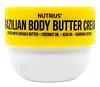 Key Ingredients
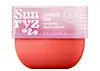
Benefits
Concerns
Ingredients Side-by-side
Water
Skin ConditioningCaprylic/Capric Triglyceride
Masking


Glycerin
Humectant
Glyceryl Stearate
Emollient

Cetyl Alcohol
Emollient
Parfum
Masking



Cyclomethicone
Emollient
Cetearyl Alcohol
Emollient

C15-19 Alkane
SolventBertholletia Excelsa Seed Oil
Emollient
Sodium Stearoyl Lactylate
EmulsifyingCocos Nucifera Oil
Masking
Euterpe Oleracea Fruit Oil
Skin Conditioning
Theobroma Cacao Seed Butter
Emollient
Paullinia Cupana Seed Extract
Skin ConditioningTheobroma Grandiflorum Seed Butter
Skin Conditioning
Glycine Soja Oil
Emollient

Daucus Carota Sativa Root Extract
Skin Conditioning
Zea Mays Oil
Emulsifying
Tocopherol
Antioxidant




Phenyl Trimethicone
Skin Conditioning
Ceteareth-20
Cleansing
Zea Mays Starch
Absorbent
Caramel
Cosmetic ColorantAcrylates/C10-30 Alkyl Acrylate Crosspolymer
Emulsion StabilisingHydrogenated Polyisobutene
EmollientPhenoxyethanol
Preservative
Ethylhexylglycerin
Skin ConditioningSodium Phytate
ChelatingSodium Hydroxide
BufferingWater, Caprylic/Capric Triglyceride, Glycerin, Glyceryl Stearate, Cetyl Alcohol, Parfum, Cyclomethicone, Cetearyl Alcohol, C15-19 Alkane, Bertholletia Excelsa Seed Oil, Sodium Stearoyl Lactylate, Cocos Nucifera Oil, Euterpe Oleracea Fruit Oil, Theobroma Cacao Seed Butter, Paullinia Cupana Seed Extract, Theobroma Grandiflorum Seed Butter, Glycine Soja Oil, Daucus Carota Sativa Root Extract, Zea Mays Oil, Tocopherol, Phenyl Trimethicone, Ceteareth-20, Zea Mays Starch, Caramel, Acrylates/C10-30 Alkyl Acrylate Crosspolymer, Hydrogenated Polyisobutene, Phenoxyethanol, Ethylhexylglycerin, Sodium Phytate, Sodium Hydroxide
Water
Skin ConditioningCocos Nucifera Oil
Masking
Butyrospermum Parkii Butter
Skin Conditioning
Glycerin
Humectant
Parfum
Masking
Cetyl Alcohol
Emollient
Glyceryl Stearate
Emollient
Sucrose Stearate
EmollientDimethicone
Emollient
Theobroma Grandiflorum Seed Butter
Skin Conditioning
Euterpe Oleracea Fruit Oil
Skin Conditioning
Bertholletia Excelsa Seed Oil
Emollient
Daucus Carota Sativa Seed Oil
Emollient
Daucus Carota Sativa Root Extract
Skin Conditioning
Camellia Japonica Seed Oil
Emollient
Helianthus Annuus Seed Oil
Emollient
Tocopherol
Antioxidant
Scutellaria Baicalensis Root Extract
Astringent
Linoleic Acid
Cleansing
Sucrose
Humectant
PEG-100 Stearate
Surfactant
Sodium Polyacrylate
Absorbent
C13-14 Isoparaffin
Emollient
Laureth-6
EmulsifyingDisodium EDTA
ChelatingPhenoxyethanol
Preservative
Chlorphenesin
Antimicrobial
CI 19140
Cosmetic ColorantCI 16035
Cosmetic ColorantCI 40800
Cosmetic ColorantWater, Cocos Nucifera Oil, Butyrospermum Parkii Butter, Glycerin, Parfum, Cetyl Alcohol, Glyceryl Stearate, Sucrose Stearate, Dimethicone, Theobroma Grandiflorum Seed Butter, Euterpe Oleracea Fruit Oil, Bertholletia Excelsa Seed Oil, Daucus Carota Sativa Seed Oil, Daucus Carota Sativa Root Extract, Camellia Japonica Seed Oil, Helianthus Annuus Seed Oil, Tocopherol, Scutellaria Baicalensis Root Extract, Linoleic Acid, Sucrose, PEG-100 Stearate, Sodium Polyacrylate, C13-14 Isoparaffin, Laureth-6, Disodium EDTA, Phenoxyethanol, Chlorphenesin, CI 19140, CI 16035, CI 40800
Ingredients Explained
These ingredients are found in both products.
Ingredients higher up in an ingredient list are typically present in a larger amount.
Bertholletia Excelsa Seed Oil from the nuts of the Bertholletia excelsa plant. It is also commonly called the Brazil Nut. This plant is native to the Amazon Rainforest.
Bertholletia Excelsa Seed Oil contains antioxidant compounds. Antioxidants help fight free-radicals. Free-radicals are molecules that may damage your skin cells, such as pollution.
Cetyl Alcohol is a fatty alcohol. Fatty Alcohols are most often used as an emollient or to thicken a product.
Its main roles are:
Though it has "alcohol" in the name, it is not related to denatured alcohol or ethyl alcohol.
The FDA allows products labeled "alcohol-free" to have fatty alcohols.
This ingredient may not be fungal acne safe. It is a primary fatty alcohol with a chain length above 12 carbons. A study from 2019 show Malassezia can feed on fatty alcohols in this range, so it may trigger fungal acne in those prone to it.
Learn more about Cetyl AlcoholThis ingredient is also known as coconut oil. It is a plant-derived ingredient with skin conditioning properties.
The fatty acid profile of coconut oil is mostly lauric acid (~54%), followed by capric, caprylic, palmitic, and myristic acids. This profile allows it to penetrate easily into skin, moisturize, and improve dry skin.
A double-blind study confirmed that extra virgin coconut oil is as effective as mineral oil for treating very dry skin. Another study found it outperformed mineral oil for mild to moderate atopic dermatitis in children.
Another study from 2018 found that virgin coconut oil can soothe inflammation and boost key skin barrier proteins. Just know this evidence is still only from lab settings and not human trials.
It has also been shown to reduce Staphylococcus aureus, a bacteria that commonly overgrows in people with eczema.
Clinical testing shows very minimal skin irritation and no evidence of sensitization or phototoxicity.
Coconut oil gets flagged as a "fragrance" because it has a natural mild scent (not because it's a synthetic perfume). The European Cosmetic ingredient database also lists "perfuming" as a function of this ingredient.
Just so you know, the term "fragrance" is completely unregulated. Some brands still use botanical extracts or essential oils in their "fragrance-free" formulas, but regulatory databases technically classify these under "fragrance".
Coconut oil has a tiny and useless bit of natural SPF. Early lab studies clocked it around SPF 7-8 but a more recent study found the real number closer to SPF 1.2. It also offers no meaningful UVA protection (SPF only overs UVB rays).
The comedogenic rating of 4/5 means it has a high potential to clog pores; but it's worth noting that comedogenicity is highly individual and ratings cannot predict how an overall formula will behave on skin.
Since lauric acid is the dominant fatty acid, this ingredient may not be fungal acne safe. The Malassezia yeast feeds on fatty acids with carbon chain lengths between 11-24, and lauric acid falls within these lengths (C12).
Learn more about Cocos Nucifera OilDaucus Carota Sativa Root Extract comes from the root commonly known as carrot (the orange kind we eat!).
This extract contains beta-carotene, a pigment responsible for giving plants the orange color. Beta-carotene is a potent antioxidant. Antioxidants may help reduce the signs of aging.
Beta-carotene is the reason we turn orange if we eat too many carrots.
It should be noted coming into contact with the leaves of wild carrots can cause skin irritation. The sap causes phytophotodermatitis, or sensitivity exposed to sunlight.
This ingredient is created using the edible parts of the carrot.
Learn more about Daucus Carota Sativa Root ExtractAcai oil is extracted from the pulp of the acai palm fruit. It is rich in phenolic compounds and fatty acids like oleic and palmitic acid.
Due to the presence of fatty acids, this ingredient may not be Malassezia folliculitis safe.
This plant is native to the Amazon rainforest.
Learn more about Euterpe Oleracea Fruit OilGlycerin (or glycerol) is a compound naturally found in your skin. It's a powerhouse humectant that pulls water into the stratum corneum.
Topically, glycerin does several things at once:
Your skin makes glycerin on its own (mostly from sebaceous oil breakdown) and shuttles it to your outermost layer of skin, or your epidermis, via aquaporin-3.
Aquaporin-3 is a transporter that is essential for normal skin hydration, elasticity, and repair. Interestingly, mice lacking in AQP3 have dry and less elastic skin that can be fully corrected with glycerin.
This ingredient is non-irritating, plays well with almost every ingredient, and works across all skin types. Typical use is anywhere between 3-10% but can go up to 79% in some leave-on products.
Just know very high concentrations (>40%) can feel tacky in low humidity.
Glycerin is the name for this ingredient in American English. British English uses Glycerol/Glycerine.
Learn more about GlycerinGlyceryl Stearate is made by reacting glycerin with stearic acid (typically sourced from plant oils like palm or coconut). It's an emulsifier, emollient, and mild occlusive.
Emulsifiers help ingredients like oil and water stay mixed so your formula stays nicely blended and uniform in texture.
This ingredient is typically used in concentrations between 1-10%. Studies have found it to be non-sensitizing, non-phototoxic, and non-photoallergenic.
A close cousin of this ingredient is Glyceryl Stearate SE ("self-emulsifying"). This just has a small amount of sodium or potassium stearate added so it can emulsify without a co-emulsifier.
Since this ingredient is an ester of a C18 fatty acid, it may not be fungal acne safe. The Malassezia yeast can potentially metabolize within the C11-C24 range.
Fun fact: The human body also creates Glyceryl Stearate naturally.
Learn more about Glyceryl StearateParfum is a catch-all term for an ingredient or more that is used to give a scent to products.
Also called "fragrance", this ingredient can be a blend of hundreds of chemicals or plant oils. This means every product with "fragrance" or "parfum" in the ingredients list is a different mixture.
For instance, Habanolide is a proprietary trade name for a specific aroma chemical. When used as a fragrance ingredient in cosmetics, most aroma chemicals fall under the broad labeling category of “FRAGRANCE” or “PARFUM” according to EU and US regulations.
The term 'parfum' or 'fragrance' is not regulated in many countries. In many cases, it is up to the brand to define this term.
For instance, many brands choose to label themselves as "fragrance-free" because they are not using synthetic fragrances. However, their products may still contain ingredients such as essential oils that are considered a fragrance by INCI standards.
One example is Calendula flower extract. Calendula is an essential oil that still imparts a scent or 'fragrance'.
Depending on the blend, the ingredients in the mixture can cause allergies and sensitivities on the skin. Some ingredients that are known EU allergens include linalool and citronellol.
Parfum can also be used to mask or cover an unpleasant scent.
The bottom line is: not all fragrances/parfum/ingredients are created equally. If you are worried about fragrances, we recommend taking a closer look at an ingredient. And of course, we always recommend speaking with a professional.
Learn more about ParfumPhenoxyethanol is one of the most widely used preservatives in skincare (and for good reason!).
It has a large spectrum of antimicrobial activity and especially effective bacteria, yeast, and mold while only having a weak effect on your skin's natural microbiome.
On a cellular level, it disrupts the cell membranes of microbes by poking holes that make the cell leak. This shuts down the chemical reactions the microbe needs to make energy so it can no longer survive.
Another perk of this ingredient is that it stays functional across a wide pH range (3-10).
You'll often see it paired with boosters like Ethylhexylglycerin; one study showed that a 1:9 ratio of Ethylhexylglycerin to Phenoxyethanol damages bacterial membranes as effectively as doubling the Phenoxyethanol concentration on its own.
Typical use concentrations range from 0.3-1% depending on the formula, and this ingredient is capped at 1% int the EU.
Safety-wise, the fear mongering does not hold up to the evidence. The EU's Scientific Committee on Consumer Safety and FDA consider it safe as a preservative at up to 1%, including for children of all ages.
Adverse systemic effects only showed up in animal studies at exposures roughly 200x higher than what people get from cosmetics. And despite its very widespread use, this ingredient is a rare sensitizer and allergic reactions are uncommon.
Learn more about PhenoxyethanolThis ingredient is also known as cupuacu butter. It's a soft, creamy plant fat that works as a skin-conditioning agent and often marketed as the plant-based alternative to lanolin.
The composition of this butter is dominated by oleic acid, stearic acid, and smaller amounts of palmitic, linoleic, and arachidic acids. There's also a useful dose of phystosterols.
That fatty-acid-and-sterol combo is why this ingredient behaves like a richer cousin of shea butter: the lipids reinforce the skin's surface and slow water loss while the sterols help support the barrier.
There's some early research too: a mouse study found cupuacu butter emulgels had antioxidant activity and a measurable photoprotective effect against UVB damage.
Overall, this is a well-tolerated ingredient but those prone to congestion might prefer formulations with lower concentrations.
Fungal acne: Cupuacu butter's fatty acids are mostly "locked up" in triglycerides that Malassezia can't easily feed on, but the yeast can slowly break these down to access the free fatty acids. Therefore, ingredient may not be fungal acne safe.
Learn more about Theobroma Grandiflorum Seed ButterTocopherol is a fat-soluble antioxidant known as Vitamin E.
You'll find this ingredient in the vast majority of skincare (for good reason). It works to neutralize free radicals, or unstable molecules generated by UV exposure, pollution, and other environmental stressors, before they can cause oxidative damage to your skin cells.
Topically applied tocopherol has been shown to protect against UV damage by ramping up the skin's own natural defense enzymes.
It also acts as a skin conditioning agent; some studies show that regular topical use can improve the skin's water-binding capacity over 2-4 weeks.
This ingredient is especially loved for being a team player. When combined with Vitamin C, the photoprotective effect of both ingredients roughly doubles and the combo also helps reduce UV-induced DNA damage.
This ingredient has some brightening potential but it's more of a prevention ingredient than spot-fader. Cell studies show it can slow down melanin production but it's worth noting that it's not the most powerful brightener out there.
In formulations, it also serves as a stabilizer that helps protect other oxidation-prone ingredients from degrading.
Concentrations usually range from 0.1-1% in most leave-on products.
Learn more about TocopherolWater. It's the most common cosmetic ingredient of all. You'll usually see it at the top of ingredient lists, meaning that it makes up the largest part of the product.
So why is it so popular? Water most often acts as a solvent - this means that it helps dissolve other ingredients into the formulation.
You'll also recognize water as that liquid we all need to stay alive. If you see this, drink a glass of water. Remember to stay hydrated!
Learn more about Water

