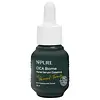
This acne serum is formulated around Niacinamide and Centella Asiatica Leaf Extract to clear breakouts and calm redness.
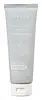
This mild gel cleanser is made to cleanse while respecting your skin barrier.

What's inside
What's inside
 Key Ingredients
Benefits
Concerns
Ingredients Side-by-side
Water
Skin ConditioningButylene Glycol
Humectant

Pentylene Glycol
Skin Conditioning
Glycerin
Humectant
Niacinamide
Smoothing









Methylpropanediol
SolventPropylene Glycol
Humectant

Centella Asiatica Leaf Extract
Skin Conditioning
Propanediol
Solvent
Allantoin
Skin Conditioning
Salicylic Acid
Masking



Dipotassium Glycyrrhizate
Humectant
Citrus Unshiu Peel Extract
MaskingCitrus Junos Seed Extract
Antioxidant

Actinidia Chinensis Seed Extract
Skin ConditioningFragaria Chiloensis Fruit Extract
Skin Conditioning
Vitis Vinifera Leaf Extract
Skin ConditioningVitis Vinifera Seed Extract
Antimicrobial
Vitis Vinifera Skin Extract
Antioxidant
Garcinia Mangostana Peel Extract
Skin ConditioningCentella Asiatica Extract
Cleansing
Madecassoside
Antioxidant
Bifida Ferment Lysate
Skin Conditioning
Acetic Acid
BufferingLactic Acid
Buffering
Hydroxyethylcellulose
Emulsion StabilisingPhenoxyethanol
Preservative
Disodium EDTA
ChelatingPolylysine
Sodium Hydroxide
BufferingCitric Acid
Buffering
Potassium Sorbate
Preservative
Sodium Benzoate
Masking
Sodium Nitrate
SoothingSodium Phosphate
BufferingDisodium Phosphate
BufferingWater, Butylene Glycol, Pentylene Glycol, Glycerin, Niacinamide, Methylpropanediol, Propylene Glycol, Centella Asiatica Leaf Extract, Propanediol, Allantoin, Salicylic Acid, Dipotassium Glycyrrhizate, Citrus Unshiu Peel Extract, Citrus Junos Seed Extract, Actinidia Chinensis Seed Extract, Fragaria Chiloensis Fruit Extract, Vitis Vinifera Leaf Extract, Vitis Vinifera Seed Extract, Vitis Vinifera Skin Extract, Garcinia Mangostana Peel Extract, Centella Asiatica Extract, Madecassoside, Bifida Ferment Lysate, Acetic Acid, Lactic Acid, Hydroxyethylcellulose, Phenoxyethanol, Disodium EDTA, Polylysine, Sodium Hydroxide, Citric Acid, Potassium Sorbate, Sodium Benzoate, Sodium Nitrate, Sodium Phosphate, Disodium Phosphate
Water
Skin ConditioningGlycerin
Humectant
Coco-Betaine
Cleansing
Morinda Citrifolia Fruit Extract
Skin Conditioning
Pentylene Glycol
Skin Conditioning
Xanthan Gum
EmulsifyingSodium Chloride
MaskingCoco-Glucoside
Cleansing
Glyceryl Caprylate
EmollientCaprylyl Glycol
Emollient
Decyl Glucoside
Cleansing
Betaine
Humectant
Butylene Glycol
Humectant
Bisabolol
Antioxidant
Sodium Cocoyl Isethionate
Cleansing
1,2-Hexanediol
Skin Conditioning
Disodium EDTA
ChelatingAnthemis Nobilis Flower Extract
Masking
Citric Acid
Buffering
Quillaja Saponaria Bark Extract
CleansingEthylhexylglycerin
Skin ConditioningAllantoin
Skin Conditioning
Caffeine
Skin Conditioning
Caprylic/Capric Triglyceride
Masking
Leuconostoc/Radish Root Ferment Filtrate
Antimicrobial
Lactobacillus/Soybean Ferment Extract
Skin ConditioningLactobacillus Ferment
Skin Conditioning
Lactobacillus/Acerola Cherry Ferment
Skin ProtectingLactococcus Ferment
Skin ConditioningBifida Ferment Filtrate
Skin Conditioning
Lactococcus Ferment Lysate
Skin Conditioning
Lactobacillus/Punica Granatum Fruit Ferment Extract
Antioxidant
Lactobacillus Ferment Lysate
Skin Conditioning
Hydrogenated Lecithin
Emulsifying
Ceramide NP
Skin Conditioning
Water, Glycerin, Coco-Betaine, Morinda Citrifolia Fruit Extract, Pentylene Glycol, Xanthan Gum, Sodium Chloride, Coco-Glucoside, Glyceryl Caprylate, Caprylyl Glycol, Decyl Glucoside, Betaine, Butylene Glycol, Bisabolol, Sodium Cocoyl Isethionate, 1,2-Hexanediol, Disodium EDTA, Anthemis Nobilis Flower Extract, Citric Acid, Quillaja Saponaria Bark Extract, Ethylhexylglycerin, Allantoin, Caffeine, Caprylic/Capric Triglyceride, Leuconostoc/Radish Root Ferment Filtrate, Lactobacillus/Soybean Ferment Extract, Lactobacillus Ferment, Lactobacillus/Acerola Cherry Ferment, Lactococcus Ferment, Bifida Ferment Filtrate, Lactococcus Ferment Lysate, Lactobacillus/Punica Granatum Fruit Ferment Extract, Lactobacillus Ferment Lysate, Hydrogenated Lecithin, Ceramide NP
Reviews
Ingredients Explained
These ingredients are found in both products.
Ingredients higher up in an ingredient list are typically present in a larger amount.
Allantoin is a soothing ingredient known for its protective and moisturizing properties; it's basically a quiet workhorse ingredient you can find in a huge range of cosmetics.
Though it can be derived from the comfrey plant, allantoin is produced synthetically for cosmetic products to ensure purity.
Research shows it can encourage your skin cells to turn over and renew by stimulating keratinocyte and fibroblast proliferation.
It also has mild keratolytic properties to help loosen and shed dead skin cells without being harsh.
Studies also suggest allantoin can help calm inflammation by dialing down some of the chemical signals your skin sends out when it is irritated.
This ingredient is typically used in the 0.1-0.5% range, and the FDA recognizes it as a skin protectant in OTC products up to 2%.
Overall, allantoin is a wonderful addition to most routines; it is stable across a wide pH range (~4-8), works well with other ingredients, and is considered non-sensitizing/non-irritating.
Fun fact: Allantoin is naturally occurring in comfrey root, beets, chamomile, and wheat sprouts. Our bodies even produce it as a byproduct of uric acid metabolism.
Learn more about AllantoinButylene Glycol (or BG) is used within cosmetic products for a few different reasons:
Overall, Butylene Glycol is a safe and well-rounded ingredient that works well with other ingredients.
Though this ingredient works well with most skin types, some people with sensitive skin may experience a reaction such as allergic rashes, closed comedones, or itchiness.
Learn more about Butylene GlycolCitric Acid is an alpha hydroxy acid (AHA) naturally found in citrus fruits like oranges, lemons, and limes.
Like other AHAs, citric acid can exfoliate skin by breaking down the bonds that hold dead skin cells together. This helps reveal smoother and brighter skin underneath.
However, this exfoliating effect only happens at high concentrations (20%) which can be hard to find in cosmetic products.
Due to this, citric acid is usually included in small amounts as a pH adjuster. This helps keep products slightly more acidic and compatible with skin's natural pH.
In skincare formulas, citric acid can:
While it can provide some skin benefits, research shows lactic acid and glycolic acid are generally more effective and less irritating exfoliants.
Most citric acid used in skincare today is made by fermenting sugars (usually from molasses). This synthetic version is identical to the natural citrus form but easier to stabilize and use in formulations.
Rosacea skin has a lower threshold for acids generally, with 62.5% of rosacea subjects in one study reacting to lactic acid in a sting test. This is why we mark citric acid as a potential rosacea trigger.
However, this ingredient shows up as a pH adjuster or chelator at roughly 0.1-1% in many products. These low levels are unlikely to be an issue for rosacea skin and becomes a potential trigger at exfoliating concentrations (20%). Because everybody's skin is unique, we recommend a patch test if you are unsure.
Learn more about Citric AcidDisodium EDTA is a chelating agent. It grabs onto and deactivates metal ions that sneak into your products from water, packaging, or air.
This ingredient mainly works behind the scenes and helps with:
On top of that, this ingredient can counteract the effects of hard water by binding to the minerals in it.
One thing worth knowing is that Disodium EDTA has been shown to be a mild penetration enhancer. It can help other ingredients absorb into skin more effectively which can be a double-edged sword (great for actives, but can also make the active too strong if you have sensitive skin).
Clinical patch testing showed no significant skin irritation at typical use concentrations and minimal dermal absorption.
You'll most likely see this ingredient near the end of an ingredient list. It's typically found in concentrations less than 1%.
Learn more about Disodium EDTAGlycerin (or glycerol) is a compound naturally found in your skin. It's a powerhouse humectant that pulls water into the stratum corneum.
Topically, glycerin does several things at once:
Your skin makes glycerin on its own (mostly from sebaceous oil breakdown) and shuttles it to your outermost layer of skin, or your epidermis, via aquaporin-3.
Aquaporin-3 is a transporter that is essential for normal skin hydration, elasticity, and repair. Interestingly, mice lacking in AQP3 have dry and less elastic skin that can be fully corrected with glycerin.
This ingredient is non-irritating, plays well with almost every ingredient, and works across all skin types. Typical use is anywhere between 3-10% but can go up to 79% in some leave-on products.
Just know very high concentrations (>40%) can feel tacky in low humidity.
Glycerin is the name for this ingredient in American English. British English uses Glycerol/Glycerine.
Learn more about GlycerinPentylene Glycol (1,2-pentanediol) is a multitasking little diol with three main roles in a formula:
Research on alkanediols (the family pentylene glycol belongs to) show they work by disrupting microbial cell membranes. This disruption helps the primary preservative system in a product work more effectively at lower doses.
On the safety side, the Cosmetic Ingredient Review Expert Panel has concluded this ingredient to be safe as used in current cosmetic practices + concentrations.
Typical use levels in a formula run about 1-5%.
Learn more about Pentylene GlycolWater. It's the most common cosmetic ingredient of all. You'll usually see it at the top of ingredient lists, meaning that it makes up the largest part of the product.
So why is it so popular? Water most often acts as a solvent - this means that it helps dissolve other ingredients into the formulation.
You'll also recognize water as that liquid we all need to stay alive. If you see this, drink a glass of water. Remember to stay hydrated!
Learn more about Water

