
What's inside
What's inside
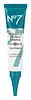 Key Ingredients
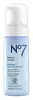
Benefits
Concerns
Ingredients Side-by-side
Water
Skin ConditioningGlycerin
Humectant


Cyclopentasiloxane
Emollient
Butyrospermum Parkii Butter
Skin Conditioning


Cyclohexasiloxane
Emollient
Cetearyl Alcohol
Emollient

Butylene Glycol
Humectant
Polyacrylamide
Glyceryl Stearate
Emollient
PEG-100 Stearate
Surfactant
Phenoxyethanol
Preservative
Stearic Acid
Cleansing
Palmitic Acid
Emollient
Alcohol Denat.
Antimicrobial




C13-14 Isoparaffin
Emollient
Methylparaben
Preservative

Propylene Glycol
Humectant
Laureth-7
EmulsifyingTocopheryl Acetate
Antioxidant


Sodium Hyaluronate
Humectant


Ethylparaben
Preservative
Ascorbyl Glucoside
Antioxidant
Retinyl Palmitate
Skin Conditioning

Sodium Polyacrylate
Absorbent
Hydrolyzed Rice Protein
Skin ConditioningTetrasodium EDTA
Sorbitan Laurate
Emulsifying
Potassium Hydroxide
BufferingHesperidin Methyl Chalcone
Antioxidant
Panax Ginseng Root Extract
Emollient
Carbomer
Emulsion StabilisingSteareth-20
CleansingDimethylmethoxy Chromanol
Antioxidant
Medicago Sativa Extract
TonicPolysorbate 20
Emulsifying
Hydroxyethylcellulose
Emulsion StabilisingMorus Alba Leaf Extract
Skin ConditioningSodium Benzoate
Masking
Chlorhexidine Digluconate
Antimicrobial
Tocopherol
Antioxidant
Acetyl Dipeptide-1 Cetyl Ester
Skin Conditioning
Potassium Sorbate
Preservative
Ethylhexylglycerin
Skin ConditioningDipeptide-2
Skin Conditioning
Palmitoyl Tetrapeptide-7
Skin Conditioning
Palmitoyl Tripeptide-1
Skin Conditioning
CI 77891
Cosmetic ColorantCI 77492
Cosmetic ColorantCI 77491
Cosmetic ColorantCI 77499
Cosmetic ColorantWater, Glycerin, Cyclopentasiloxane, Butyrospermum Parkii Butter, Cyclohexasiloxane, Cetearyl Alcohol, Butylene Glycol, Polyacrylamide, Glyceryl Stearate, PEG-100 Stearate, Phenoxyethanol, Stearic Acid, Palmitic Acid, Alcohol Denat., C13-14 Isoparaffin, Methylparaben, Propylene Glycol, Laureth-7, Tocopheryl Acetate, Sodium Hyaluronate, Ethylparaben, Ascorbyl Glucoside, Retinyl Palmitate, Sodium Polyacrylate, Hydrolyzed Rice Protein, Tetrasodium EDTA, Sorbitan Laurate, Potassium Hydroxide, Hesperidin Methyl Chalcone, Panax Ginseng Root Extract, Carbomer, Steareth-20, Dimethylmethoxy Chromanol, Medicago Sativa Extract, Polysorbate 20, Hydroxyethylcellulose, Morus Alba Leaf Extract, Sodium Benzoate, Chlorhexidine Digluconate, Tocopherol, Acetyl Dipeptide-1 Cetyl Ester, Potassium Sorbate, Ethylhexylglycerin, Dipeptide-2, Palmitoyl Tetrapeptide-7, Palmitoyl Tripeptide-1, CI 77891, CI 77492, CI 77491, CI 77499
Water
Skin ConditioningGlycerin
Humectant
Cocamidopropyl Betaine
Cleansing
Decyl Glucoside
Cleansing
Sodium Chloride
MaskingPEG-40 Hydrogenated Castor Oil
Emulsifying
PEG-18 Glyceryl Oleate/Cocoate
Emulsifying
Phenoxyethanol
Preservative
Panthenol
Skin Conditioning
Citric Acid
Buffering
Parfum
Masking

Sodium Methylparaben
Preservative
Sodium Citrate
BufferingSodium Benzoate
Masking
Tocopheryl Acetate
Antioxidant
Butylene Glycol
Humectant
Ascorbyl Glucoside
Antioxidant
Tetrasodium EDTA
Dipropylene Glycol
HumectantPotassium Hydroxide
BufferingSpiraea Ulmaria Extract
AstringentWater, Glycerin, Cocamidopropyl Betaine, Decyl Glucoside, Sodium Chloride, PEG-40 Hydrogenated Castor Oil, PEG-18 Glyceryl Oleate/Cocoate, Phenoxyethanol, Panthenol, Citric Acid, Parfum, Sodium Methylparaben, Sodium Citrate, Sodium Benzoate, Tocopheryl Acetate, Butylene Glycol, Ascorbyl Glucoside, Tetrasodium EDTA, Dipropylene Glycol, Potassium Hydroxide, Spiraea Ulmaria Extract
Ingredients Explained
These ingredients are found in both products.
Ingredients higher up in an ingredient list are typically present in a larger amount.
Ascorbyl Glucoside (AA-2G) is one of the most stable vitamin C derivatives out there.
It's made by attaching a glucose molecule to ascorbic acid; this glucose "cap" shields the vitamin C from air, light, heat, and metal ions that normally cause pure ascorbic acid to oxidize.
Once on your skin, the enzyme alpha-glucosidase snips off the glucose and gradually releases active ascorbic acid right where it's needed. Basically, it behaves like a slow-release pro-vitamin C with less of a stinging that high-strength ascorbic acid can cause.
The research supports the classic vitamin C benefits as well. In lab and human studies, AA-2G slowed down the skin's production of melanin (the pigment behind dark spots) and helped shield skin cells against sun damage better than ascorbyl phosphate.
These studies also showed AA-2G released vitamin C over a longer period.
A frequently cited manufacturer trial found that a 2% AA-2G face cream significantly improved wrinkle depth and skin roughness after 45 days.
And in 2009, a clinical trial showed it meaningfully lightened dark patches on the gums compared to a placebo.
There's also collagen-synthesis support (since vitamin C is a required cofactor for that) and an antioxidant effect too.
Typical usage is usually between 0.5-5% and most studies/products land around 2%.
AA-2G performs best when formulated at a mildly acidic pH (~5-7) which is much gentler than the pH that pure vitamin C demands (~2.5-3.5).
Just one thing worth knowing: the in-skin conversation rate is only about 55-60% by weight. So a 5% AA-2G product delivers roughly 2.75-3% of actual active vitamin C. On top of that, skin absorption is relatively low because the ingredient is water-soluble.
Learn more about Ascorbyl GlucosideButylene Glycol (or BG) is used within cosmetic products for a few different reasons:
Overall, Butylene Glycol is a safe and well-rounded ingredient that works well with other ingredients.
Though this ingredient works well with most skin types, some people with sensitive skin may experience a reaction such as allergic rashes, closed comedones, or itchiness.
Learn more about Butylene GlycolGlycerin (or glycerol) is a compound naturally found in your skin. It's a powerhouse humectant that pulls water into the stratum corneum.
Topically, glycerin does several things at once:
Your skin makes glycerin on its own (mostly from sebaceous oil breakdown) and shuttles it to your outermost layer of skin, or your epidermis, via aquaporin-3.
Aquaporin-3 is a transporter that is essential for normal skin hydration, elasticity, and repair. Interestingly, mice lacking in AQP3 have dry and less elastic skin that can be fully corrected with glycerin.
This ingredient is non-irritating, plays well with almost every ingredient, and works across all skin types. Typical use is anywhere between 3-10% but can go up to 79% in some leave-on products.
Just know very high concentrations (>40%) can feel tacky in low humidity.
Glycerin is the name for this ingredient in American English. British English uses Glycerol/Glycerine.
Learn more about GlycerinPhenoxyethanol is a preservative that has germicide, antimicrobial, and aromatic properties. Studies show that phenoxyethanol can prevent microbial growth. By itself, it has a scent that is similar to that of a rose.
It's often used in formulations along with Caprylyl Glycol to preserve the shelf life of products.
Potassium hydroxide is commonly known as caustic potash. It is used to fix the pH of a product or as a cleaning agent in soap. In cleansers, it is used for the saponification of oils.
Sapnification is the process of creating fatty acid metal salts from triglycerides and a strong base. During this process, Potassium Hydroxide is used up and is not present in the final product.
Using high concentrations of Potassium Hydroxide have shown to irritate the skin.
Learn more about Potassium HydroxideSodium Benzoate is a preservative. It's used in both cosmetic and food products to inhibit the growth of mold and bacteria. It is typically produced synthetically.
Both the US FDA and EU Health Committee have approved the use of sodium benzoate. In the US, levels of 0.1% (of the total product) are allowed.
Sodium benzoate works as a preservative by inhibiting the growth of bacteria inside of cells. It prevents the cell from fermenting a type of sugar using an enzyme called phosphofructokinase.
It is the salt of benzoic acid. Foods containing sodium benzoate include soda, salad dressings, condiments, fruit juices, wines, and snack foods.
Studies for using ascorbic acid and sodium benzoate in cosmetics are lacking, especially in skincare routines with multiple steps.
We always recommend speaking with a professional, such as a dermatologist, if you have any concerns.
Learn more about Sodium BenzoateTetrasodium EDTA is the salt formed from neutralizing ethylenediamine tetraacetic acid with sodium hydroxide. It is a chelating agent and used to prevent metal ions from binding to other ingredients. This helps keep the product and ingredients stable.
Tetrasodium EDTA comes as a white solid and is soluble in water.
Tocopheryl Acetate is AKA Vitamin E. It is an antioxidant and protects your skin from free radicals. Free radicals damage the skin by breaking down collagen.
One study found using Tocopheryl Acetate with Vitamin C decreased the number of sunburned cells.
Tocopheryl Acetate is commonly found in both skincare and dietary supplements.
Learn more about Tocopheryl AcetateWater. It's the most common cosmetic ingredient of all. You'll usually see it at the top of ingredient lists, meaning that it makes up the largest part of the product.
So why is it so popular? Water most often acts as a solvent - this means that it helps dissolve other ingredients into the formulation.
You'll also recognize water as that liquid we all need to stay alive. If you see this, drink a glass of water. Remember to stay hydrated!
Learn more about Water
