

What's inside
What's inside
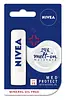 Key Ingredients
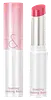
Benefits
Concerns
Ingredients Side-by-side
Octyldodecanol
Emollient
Ricinus Communis Seed Oil
Masking



Hydrogenated Rapeseed Oil
Emollient
Cera Alba
Emollient

Cetyl Palmitate
Emollient
Ethylhexyl Methoxycinnamate
UV Absorber


Butyrospermum Parkii Butter
Skin Conditioning
Polyglyceryl-3 Diisostearate
Emulsifying
Bis-Diglyceryl Polyacyladipate-2
Emollient
Butyl Methoxydibenzoylmethane
UV Absorber
Cetearyl Alcohol
Emollient
Octocrylene
UV Absorber
Persea Gratissima Oil
Skin Conditioning
Simmondsia Chinensis Seed Oil
Emollient
Tocopheryl Acetate
Antioxidant


Panthenol
Skin Conditioning

Bisabolol
Antioxidant
Water
Skin ConditioningGlycerin
Humectant
BHT
Antioxidant
Parfum
Masking

CI 77891
Cosmetic ColorantCI 77492
Cosmetic ColorantOctyldodecanol, Ricinus Communis Seed Oil, Hydrogenated Rapeseed Oil, Cera Alba, Cetyl Palmitate, Ethylhexyl Methoxycinnamate, Butyrospermum Parkii Butter, Polyglyceryl-3 Diisostearate, Bis-Diglyceryl Polyacyladipate-2, Butyl Methoxydibenzoylmethane, Cetearyl Alcohol, Octocrylene, Persea Gratissima Oil, Simmondsia Chinensis Seed Oil, Tocopheryl Acetate, Panthenol, Bisabolol, Water, Glycerin, BHT, Parfum, CI 77891, CI 77492
Diisostearyl Malate
EmollientBis-Behenyl/Isostearyl/Phytosteryl Dimer Dilinoleyl Dimer Dilinoleate
EmollientPolyglyceryl-2 Triisostearate
Emulsifying
Bis-Diglyceryl Polyacyladipate-2
Emollient
Paraffin
Perfuming
Tridecyl Trimellitate
EmollientPentaerythrityl Tetraisostearate
Emollient
Microcrystalline Wax
Emulsion StabilisingSorbitan Isostearate
Emulsifying
1,2-Hexanediol
Skin Conditioning
Disteardimonium Hectorite
StabilisingSynthetic Wax
Abrasive
CI 77891
Cosmetic ColorantEthylene/Propylene Copolymer
Abrasive
CI 45410
Cosmetic ColorantCI 15985
Cosmetic ColorantPropylene Carbonate
SolventCI 15850
Cosmetic ColorantParfum
Masking
Limonene
Perfuming
Linalool
Perfuming
Simmondsia Chinensis Seed Oil
Emollient
Prunus Amygdalus Dulcis Oil
Skin Conditioning
Prunus Armeniaca Kernel Oil
Masking
Oenothera Biennis Oil
Emollient
Olea Europaea Fruit Oil
Masking
Argania Spinosa Kernel Oil
Emollient

Butyrospermum Parkii Butter
Skin Conditioning
Camellia Japonica Seed Oil
Emollient
Caprylic/Capric Triglyceride
Masking
Mangifera Indica Fruit Extract
Skin ConditioningRosa Canina Fruit Extract
Astringent
Diisostearyl Malate, Bis-Behenyl/Isostearyl/Phytosteryl Dimer Dilinoleyl Dimer Dilinoleate, Polyglyceryl-2 Triisostearate, Bis-Diglyceryl Polyacyladipate-2, Paraffin, Tridecyl Trimellitate, Pentaerythrityl Tetraisostearate, Microcrystalline Wax, Sorbitan Isostearate, 1,2-Hexanediol, Disteardimonium Hectorite, Synthetic Wax, CI 77891, Ethylene/Propylene Copolymer, CI 45410, CI 15985, Propylene Carbonate, CI 15850, Parfum, Limonene, Linalool, Simmondsia Chinensis Seed Oil, Prunus Amygdalus Dulcis Oil, Prunus Armeniaca Kernel Oil, Oenothera Biennis Oil, Olea Europaea Fruit Oil, Argania Spinosa Kernel Oil, Butyrospermum Parkii Butter, Camellia Japonica Seed Oil, Caprylic/Capric Triglyceride, Mangifera Indica Fruit Extract, Rosa Canina Fruit Extract
Reviews
Ingredients Explained
These ingredients are found in both products.
Ingredients higher up in an ingredient list are typically present in a larger amount.
Bis-Diglyceryl Polyacyladipate-2 is a synthetic emollient that works as a lanolin substitute.
This ingredient is a great vegan option for those avoiding animal-derived ingredients.
It mostly stays on the surface of skin where it helps hydrate due to its large molecular size and low water solubility.
Due to it being derived from fatty acids, this ingredient may not be Malassezia or fungal acne safe.
Learn more about Bis-Diglyceryl Polyacyladipate-2This ingredient is also known as shea butter. It is a plant-derived extract from the nuts of the Africa shea tree and one of the most well-studied emollients.
Because it has a high concentration of fatty acids (primarily oleic, stearic, and linoleic) it is able to form a protective barrier on the skin's surface. This helps seal in moisture and prevents transepidermal water loss (TEWL).
In vitro research found an increase in skin hydration by 58% and a decrease in TEWL by 37.8% after 24 hours of applying this ingredient (pretty impressive for a single ingredient!).
Besides hydration, shea butter also contains triterpenes that have anti-inflammatory potential. In particule, lupeol cinnamate has shown the highest anti-inflammatory activity in vivo.
Shea butter also contains vitamins A and E which may contribute to antioxidant activity.
While Shea Butter has an SPF rating of about 3-4, it is not a sunscreen replacement.
This ingredient may not be fungal acne safe because its fatty acids fall within the C11-C24 range that the Malassezia yeast can metabolize.
Learn more about Butyrospermum Parkii ButterCi 77891 is a white pigment from Titanium dioxide. It is naturally found in minerals such as rutile and ilmenite.
It's main function is to add a white color to cosmetics. It can also be mixed with other colors to create different shades.
Ci 77891 is commonly found in sunscreens due to its ability to block UV rays.
Learn more about CI 77891Parfum is a catch-all term for an ingredient or more that is used to give a scent to products.
Also called "fragrance", this ingredient can be a blend of hundreds of chemicals or plant oils. This means every product with "fragrance" or "parfum" in the ingredients list is a different mixture.
For instance, Habanolide is a proprietary trade name for a specific aroma chemical. When used as a fragrance ingredient in cosmetics, most aroma chemicals fall under the broad labeling category of “FRAGRANCE” or “PARFUM” according to EU and US regulations.
The term 'parfum' or 'fragrance' is not regulated in many countries. In many cases, it is up to the brand to define this term.
For instance, many brands choose to label themselves as "fragrance-free" because they are not using synthetic fragrances. However, their products may still contain ingredients such as essential oils that are considered a fragrance by INCI standards.
One example is Calendula flower extract. Calendula is an essential oil that still imparts a scent or 'fragrance'.
Depending on the blend, the ingredients in the mixture can cause allergies and sensitivities on the skin. Some ingredients that are known EU allergens include linalool and citronellol.
Parfum can also be used to mask or cover an unpleasant scent.
The bottom line is: not all fragrances/parfum/ingredients are created equally. If you are worried about fragrances, we recommend taking a closer look at an ingredient. And of course, we always recommend speaking with a professional.
Learn more about ParfumJojoba oil is one of the most well-studied plant-derived ingredients in cosmetics. It is an emollient with a special structure.
Because it is made up of 97-98% wax esters, it closely mirrors the linear monoesters found in human sebum. This makes it skin compatible, non-greasy, and lightweight.
Unlike other plant oils, jojoba wax doesn't easily penetrate skin. It mostly works in the uppermost layers as an emollient. This just means it forms a light barrier on the skin to help retain moisture.
Formulations with jojoba esters up to 90% reduced transepidermal water loss (TEWL) and increased barrier recovery by 81% (outperforming bisabolol at 47%).
Besides barrier support, the science also suggests jojoba to have anti-inflammatory effects and potential applications for skin infections, aging, and wound healing.
Fun fact: Indigenous cultures have used jojoba as a moisturizer and to help treat burns for centuries.
Due to its fatty acid content, Jojoba oil may not be fungal acne safe.
Learn more about Simmondsia Chinensis Seed Oil
