

What's inside
What's inside
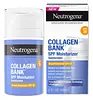 Key Ingredients
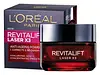
Benefits
Concerns
Ingredients Side-by-side
Butyl Methoxydibenzoylmethane 2.5%
UV Absorber
Homosalate 6%
Skin Conditioning
Ethylhexyl Salicylate 4.5%
UV Absorber
Octocrylene 8%
UV Absorber

Water
Skin ConditioningSilica
Abrasive


Caprylyl Methicone
Skin Conditioning
Diisopropyl Adipate
EmollientDimethicone
Emollient
Potassium Cetyl Phosphate
EmulsifyingSynthetic Beeswax
Emulsion Stabilising
Benzyl Alcohol
Perfuming



Hydrolyzed Collagen
Emollient

Acetyl Dipeptide-31 Amide
Skin Conditioning
Tocopheryl Acetate
Antioxidant


Jojoba Esters
Emollient
Hydrolyzed Jojoba Esters
Skin Conditioning
Caprylyl Glycol
Emollient
Ethylhexylglycerin
Skin ConditioningCetyl Dimethicone
Emollient
Glyceryl Stearate
Emollient
PEG-100 Stearate
Surfactant
Behenyl Alcohol
Emollient
Xanthan Gum
EmulsifyingSodium Polyacrylate
Absorbent
Acrylates/Dimethicone Copolymer
Skin Conditioning
Dimethicone/PEG-10/15 Crosspolymer
Ethylhexyl Stearate
Emollient

Chlorphenesin
Antimicrobial
Disodium EDTA
Trideceth-6
EmulsifyingBHT
Antioxidant
Butyl Methoxydibenzoylmethane 2.5%, Homosalate 6%, Ethylhexyl Salicylate 4.5%, Octocrylene 8%, Water, Silica, Caprylyl Methicone, Diisopropyl Adipate, Dimethicone, Potassium Cetyl Phosphate, Synthetic Beeswax, Benzyl Alcohol, Hydrolyzed Collagen, Acetyl Dipeptide-31 Amide, Tocopheryl Acetate, Jojoba Esters, Hydrolyzed Jojoba Esters, Caprylyl Glycol, Ethylhexylglycerin, Cetyl Dimethicone, Glyceryl Stearate, PEG-100 Stearate, Behenyl Alcohol, Xanthan Gum, Sodium Polyacrylate, Acrylates/Dimethicone Copolymer, Dimethicone/PEG-10/15 Crosspolymer, Ethylhexyl Stearate, Chlorphenesin, Disodium EDTA, Trideceth-6, BHT
Water
Skin ConditioningGlycerin
Humectant
Isohexadecane
EmollientHydroxypropyl Tetrahydropyrantriol
Skin ConditioningDimethicone
Emollient
Isopropyl Isostearate
Emollient
Aluminum Starch Octenylsuccinate
Absorbent
Propylene Glycol
Humectant
Nylon-12
Octyldodecanol
Emollient
Cetyl Alcohol
Emollient
Behenyl Alcohol
Emollient
Ammonium Polyacryloyldimethyl Taurate
Emulsion StabilisingC13-14 Isoparaffin
Emollient
PEG-100 Stearate
Surfactant
Stearic Acid
Cleansing
Stearyl Alcohol
Emollient
Triethanolamine
BufferingCetearyl Alcohol
Emollient
Cetearyl Glucoside
Emulsifying
Myristic Acid
Cleansing
Myristyl Alcohol
Emollient
Palmitic Acid
Emollient
Adenosine
Skin Conditioning
Disodium EDTA
Disodium Stearoyl Glutamate
CleansingHydrolyzed Hyaluronic Acid
Humectant
Capryloyl Salicylic Acid
Exfoliating

Laureth-7
EmulsifyingT-Butyl Alcohol
Perfuming
Polyacrylamide
Polyethylene
Abrasive
Methylparaben
Preservative
Phenoxyethanol
Preservative
CI 15985
Cosmetic ColorantCI 19140
Cosmetic ColorantLinalool
Perfuming
Isoeugenol
Perfuming
Limonene
Perfuming
Citronellol
Perfuming
Benzyl Alcohol
Perfuming
Parfum
Masking
Water, Glycerin, Isohexadecane, Hydroxypropyl Tetrahydropyrantriol, Dimethicone, Isopropyl Isostearate, Aluminum Starch Octenylsuccinate, Propylene Glycol, Nylon-12, Octyldodecanol, Cetyl Alcohol, Behenyl Alcohol, Ammonium Polyacryloyldimethyl Taurate, C13-14 Isoparaffin, PEG-100 Stearate, Stearic Acid, Stearyl Alcohol, Triethanolamine, Cetearyl Alcohol, Cetearyl Glucoside, Myristic Acid, Myristyl Alcohol, Palmitic Acid, Adenosine, Disodium EDTA, Disodium Stearoyl Glutamate, Hydrolyzed Hyaluronic Acid, Capryloyl Salicylic Acid, Laureth-7, T-Butyl Alcohol, Polyacrylamide, Polyethylene, Methylparaben, Phenoxyethanol, CI 15985, CI 19140, Linalool, Isoeugenol, Limonene, Citronellol, Benzyl Alcohol, Parfum
Reviews
Ingredients Explained
These ingredients are found in both products.
Ingredients higher up in an ingredient list are typically present in a larger amount.
Behenyl Alcohol is a type of fatty alcohol (these are different from the drying, solvent alcohols).
Fatty Alcohols have hydrating properties and are most often used as an emollient or to thicken a product. They are usually derived from natural fats and oils; behenyl alcohol is derived from the fats of vegetable oils.
Emollients help keep your skin soft and hydrated by creating a film that traps moisture in.
In 2000, Behenyl Alcohol was approved by the US as medicine to reduce the duration of cold sores.
Learn more about Behenyl AlcoholBenzyl Alcohol is most commonly used as a preservative. It also has a subtle, sweet smell. Small amounts of Benzyl Alcohol is not irritating and safe to use in skincare products. Most Benzyl Alcohol is derived from fruits such as apricots.
Benzyl Alcohol has both antibacterial and antioxidant properties. These properties help lengthen the shelf life of products. Benzyl Alcohol is a solvent and helps dissolve other ingredients. It can also improve the texture and spreadability.
Alcohol comes in many different forms. Different types of alcohol will have different effects on skin. This ingredient is an astringent alcohol.
Using high concentrations of these alcohols are drying on the skin. They may strip away your skin's natural oils and even damage your skin barrier. Astringent alcohols may also irritate skin.
Other types of astringent alcohols include:
According to the National Rosacea Society based in the US, you should be mindful of products with these alcohols in the top half of ingredients.
Any type of sanitizing product will have high amounts of alcohol to help kill bacteria and viruses.
Learn more about Benzyl AlcoholDimethicone is a type of synthetic silicone created from natural materials such as quartz. It is also known as polydimethylsiloxane.
What it does:
Dimethicone comes in different viscosities:
Depending on the viscosity, dimethicone has different properties.
Ingredients lists don't always show which type is used, so we recommend reaching out to the brand if you have questions about the viscosity.
This ingredient is unlikely to cause irritation because it does not get absorbed into skin. However, people with silicone allergies should be careful about using this ingredient.
Note: Dimethicone may contribute to pilling. This is because it is not oil or water soluble, so pilling may occur when layered with products. When mixed with heavy oils in a formula, the outcome is also quite greasy.
Learn more about DimethiconeDisodium EDTA is a chelating agent. It grabs onto and deactivates metal ions that sneak into your products from water, packaging, or air.
This ingredient mainly works behind the scenes and helps with:
On top of that, this ingredient can counteract the effects of hard water by binding to the minerals in it.
One thing worth knowing is that Disodium EDTA has been shown to be a mild penetration enhancer. It can help other ingredients absorb into skin more effectively which can be a double-edged sword (great for actives, but can also make the active too strong if you have sensitive skin).
Clinical patch testing showed no significant skin irritation at typical use concentrations and minimal dermal absorption.
You'll most likely see this ingredient near the end of an ingredient list. It's typically found in concentrations less than 1%.
Learn more about Disodium EDTAPeg-100 Stearate is an emollient and emulsifier. As an emollient, it helps keep skin soft by trapping moisture in. On the other hand, emulsifiers help prevent oil and water from separating in a product.
PEGS are a hydrophilic polyether compound . There are 100 ethylene oxide monomers in Peg-100 Stearate. Peg-100 Stearate is polyethylene glycol ester of stearic acid.
Water. It's the most common cosmetic ingredient of all. You'll usually see it at the top of ingredient lists, meaning that it makes up the largest part of the product.
So why is it so popular? Water most often acts as a solvent - this means that it helps dissolve other ingredients into the formulation.
You'll also recognize water as that liquid we all need to stay alive. If you see this, drink a glass of water. Remember to stay hydrated!
Learn more about Water
