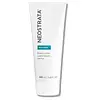
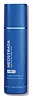
This anti-aging moisturizer is formulated around Maltobionic Acid and Acetyl Glucosamine to soften the look of wrinkles.

What's inside
What's inside
 Key Ingredients
Benefits
Concerns
Ingredients Side-by-side
Ammonium Hydroxide
BufferingWater
Skin ConditioningArginine
Masking

Butylene Glycol
Humectant
C12-15 Alkyl Benzoate
AntimicrobialC13-14 Isoparaffin
Emollient
Caprylic/Capric Triglyceride
Masking
Cetearyl Alcohol
Emollient




Chlorphenesin
Antimicrobial
Dimethicone
Emollient
Disodium EDTA
ChelatingEthoxydiglycol
HumectantGluconolactone
Chelating






Glycerin
Humectant
Glyceryl Stearate
Emollient
Hydroxyethylcellulose
Emulsion StabilisingIsopropyl Palmitate
Emollient
Lactobionic Acid
Buffering
Laureth-7
EmulsifyingLimnanthes Alba Seed Oil
Skin Conditioning
Methylparaben
Preservative

Octyldodecyl Neopentanoate
EmollientPEG-100 Stearate
Surfactant
Polyacrylamide
Propylene Glycol
Humectant
Sodium Bisulfite
Antioxidant
Sodium Sulfite
Preservative
Sorbitan Stearate
Emulsifying
Tocopheryl Acetate
Antioxidant
Xanthan Gum
EmulsifyingAmmonium Hydroxide, Water, Arginine, Butylene Glycol, C12-15 Alkyl Benzoate, C13-14 Isoparaffin, Caprylic/Capric Triglyceride, Cetearyl Alcohol, Chlorphenesin, Dimethicone, Disodium EDTA, Ethoxydiglycol, Gluconolactone, Glycerin, Glyceryl Stearate, Hydroxyethylcellulose, Isopropyl Palmitate, Lactobionic Acid, Laureth-7, Limnanthes Alba Seed Oil, Methylparaben, Octyldodecyl Neopentanoate, PEG-100 Stearate, Polyacrylamide, Propylene Glycol, Sodium Bisulfite, Sodium Sulfite, Sorbitan Stearate, Tocopheryl Acetate, Xanthan Gum
Water
Skin ConditioningGlycerin
Humectant
Maltobionic Acid
Buffering
Acetyl Glucosamine
Skin Conditioning
Octyldodecyl Neopentanoate
EmollientSteareth-2
EmulsifyingC12-15 Alkyl Benzoate
AntimicrobialButyrospermum Parkii Butter
Skin Conditioning
Octyldodecanol
Emollient
Steareth-20
CleansingHydroxyethyl Acrylate/Sodium Acryloyldimethyl Taurate Copolymer
Emulsion StabilisingIsostearic Acid
Cleansing
Cyclopentasiloxane
Emollient
Acetyl Tyrosinamide
Skin ConditioningSaccharide Isomerate
Humectant
Cyclohexasiloxane
Emollient
Palmitoyl Tripeptide-1
Skin Conditioning
Palmitoyl Tetrapeptide-7
Skin Conditioning
Vitis Vinifera Seed Extract
Antimicrobial
Sodium PCA
Humectant
Serine
Masking
Glycine
Buffering
Alanine
Masking
Lysine
Skin ConditioningArginine
Masking
Threonine
Proline
Skin Conditioning
Cetyl Alcohol
Emollient
Propylene Glycol
Humectant
Betaine
Humectant
Sorbitol
Humectant
Isopropyl Myristate
Emollient
Glutamic Acid
Humectant
Butylene Glycol
Humectant
Polysorbate 60
Emulsifying
Sorbitan Isostearate
Emulsifying
Carbomer
Emulsion StabilisingPolysorbate 20
Emulsifying
Ammonium Hydroxide
BufferingDisodium EDTA
ChelatingCaprylyl Glycol
Emollient
Sodium Bisulfite
Antioxidant
Xanthan Gum
EmulsifyingPhenoxyethanol
Preservative
Chlorphenesin
Antimicrobial
Methyldihydrojasmonate
MaskingIsobutyl Methyl Tetrahydropyranol
MaskingEthylene Brassylate
MaskingMethyl Decenol
Masking

CI 14700
Cosmetic ColorantCI 19140
Cosmetic ColorantWater, Glycerin, Maltobionic Acid, Acetyl Glucosamine, Octyldodecyl Neopentanoate, Steareth-2, C12-15 Alkyl Benzoate, Butyrospermum Parkii Butter, Octyldodecanol, Steareth-20, Hydroxyethyl Acrylate/Sodium Acryloyldimethyl Taurate Copolymer, Isostearic Acid, Cyclopentasiloxane, Acetyl Tyrosinamide, Saccharide Isomerate, Cyclohexasiloxane, Palmitoyl Tripeptide-1, Palmitoyl Tetrapeptide-7, Vitis Vinifera Seed Extract, Sodium PCA, Serine, Glycine, Alanine, Lysine, Arginine, Threonine, Proline, Cetyl Alcohol, Propylene Glycol, Betaine, Sorbitol, Isopropyl Myristate, Glutamic Acid, Butylene Glycol, Polysorbate 60, Sorbitan Isostearate, Carbomer, Polysorbate 20, Ammonium Hydroxide, Disodium EDTA, Caprylyl Glycol, Sodium Bisulfite, Xanthan Gum, Phenoxyethanol, Chlorphenesin, Methyldihydrojasmonate, Isobutyl Methyl Tetrahydropyranol, Ethylene Brassylate, Methyl Decenol, CI 14700, CI 19140
Ingredients Explained
These ingredients are found in both products.
Ingredients higher up in an ingredient list are typically present in a larger amount.
We don't have a description for Ammonium Hydroxide yet.
Arginine is a semi-essential amino acid. This just means our bodies can product a bit on its own, but sometimes needs a little boost from food sources.
It is a part of your skin's natural moisturizing factor (NMF), or the water-loving molecules in your outermost layer of skin (stratum corneum) that keeps everything hydrated and happy.
Here's an interesting thing about Arginine: your skin converts it into urea through the Krebs-Henseleit urea cycle. Urea is one of the most effective humectants your skin naturally produces.
A clinical study showed applying 2.5% arginine hydrochloride to atopic dermatitis skin showed significant urea levels in the stratum corneum and improved moisture in just four weeks.
Arginine is also a precursor to nitric oxide; nitric oxide improves microcirculation and supports wound healing and collagen synthesis.
One study found that an amino acid complex containing Arginine reduced skin irritation, improved hydration, and accelerated skin repair in clinical / in-vivo studies.
Arginine itself is an amino acid and not a fatty acid, oil, or ester. On its own, it's not a direct food source for Malassezia, or the yeast that causes fungal acne.
Learn more about ArginineButylene Glycol (or BG) is used within cosmetic products for a few different reasons:
Overall, Butylene Glycol is a safe and well-rounded ingredient that works well with other ingredients.
Though this ingredient works well with most skin types, some people with sensitive skin may experience a reaction such as allergic rashes, closed comedones, or itchiness.
Learn more about Butylene GlycolC12-15 Alkyl Benzoate is a lightweight emollient made by combinig benzoic acid with fatty alcohols that are 12-15 carbons long.
In cosmetics, it plays several roles:
The Cosmetic Review Expert Panel has concluded the alkyl benzoate group to be safe as used in cosmetics; it wasn't found to be a skin irritant and unlikely to be absorbed due to its low water solubility.
This report recorded almost 1000 reported uses with concentrations up to 59% in leave-on products but your cosmetics will typically use 0.5-15% depending on the product.
It's often called a "SPF booster": this is because it keeps UV filters properly dissolved and evenly distributed to support a sunscreen's performance. It doesn't actually raise SPF on its own.
Overall, this ingredient is well tolerated.
This ingredient is fungal acne safe because it is an ester of benzoic acid.
Think of this ingredient as two parts stuck together: an oily part and an acid part. Malassezia only gets a meal when it can snip off a fatty acid to eat. With C12-15 Alkyl Benzoate, the acid part is benzoic acid, which isn't a fatty acid and which the yeast can't use as food.
Benzoic acid is actually used as a preservative to stop yeast from growing.
The oily part is a blend of C12-15 fatty alcohols but fatty alcohols in this size range can support only a little Malassezia growth (mostly for one species of Malassezia as well).
In the ingredient, those alcohols stay locked inside the molecule. The yeast can only reach them by snipping the benzoate bond, and that type of bond is harder for it to cut than a normal fatty bond.
So not much gets released. And whatever does get snipped comes packaged with benzoic acid, which discourages yeast growth.
Learn more about C12-15 Alkyl BenzoateChlorphenesin is a synthetic preservative. It helps protect a product against bacteria in order to extend shelf life. In most cases, Chlorphenesin is paired with other preservatives such as phenoxyethanol and caprylyl glycol.
Chlorphenesin is a biocide. This means it is able to help fight the microorganisms on our skin. It is also able to fight odor-releasing bacteria.
Chlorphenesin is soluble in both water and glycerin.
Studies show Chlorphenesin is easily absorbed by our skin. You should speak with a skincare professional if you have concerns about using Chlorphenesin.
Learn more about ChlorphenesinDisodium EDTA is a chelating agent. It grabs onto and deactivates metal ions that sneak into your products from water, packaging, or air.
This ingredient mainly works behind the scenes and helps with:
On top of that, this ingredient can counteract the effects of hard water by binding to the minerals in it.
One thing worth knowing is that Disodium EDTA has been shown to be a mild penetration enhancer. It can help other ingredients absorb into skin more effectively which can be a double-edged sword (great for actives, but can also make the active too strong if you have sensitive skin).
Clinical patch testing showed no significant skin irritation at typical use concentrations and minimal dermal absorption.
You'll most likely see this ingredient near the end of an ingredient list. It's typically found in concentrations less than 1%.
Learn more about Disodium EDTAGlycerin (or glycerol) is a compound naturally found in your skin. It's a powerhouse humectant that pulls water into the stratum corneum.
Topically, glycerin does several things at once:
Your skin makes glycerin on its own (mostly from sebaceous oil breakdown) and shuttles it to your outermost layer of skin, or your epidermis, via aquaporin-3.
Aquaporin-3 is a transporter that is essential for normal skin hydration, elasticity, and repair. Interestingly, mice lacking in AQP3 have dry and less elastic skin that can be fully corrected with glycerin.
This ingredient is non-irritating, plays well with almost every ingredient, and works across all skin types. Typical use is anywhere between 3-10% but can go up to 79% in some leave-on products.
Just know very high concentrations (>40%) can feel tacky in low humidity.
Glycerin is the name for this ingredient in American English. British English uses Glycerol/Glycerine.
Learn more about GlycerinWe don't have a description for Octyldodecyl Neopentanoate yet.
Propylene Glycol is a synthetic, colorless, odorless liquid that has been a staple in cosmetics for decades. It is a skin conditioning agent, humectant, and solvent.
As a humectant, it draw water to the skin to reduce flaking and restore suppleness. It's also a solvent that helps dissolve other actives and keeps formulas stable across temperature changes.
The CIR Expert Panel has confirmed this ingredient to be nontoxic and clinical studies show no sensitization at cosmetic use concentrations.
True allergic reactions are quite rare: a 15-year retrospective study of 6,751 patients found only 0.31% had a positive reaction (and less than half were considered clinically relevant).
It seemed that when sensitization does occur, it's most commonly linked to topical medication (like corticosteroids) and not cosmetics. Allergic contact dermatitis also appears largely limited to individuals with underlying skin conditions.
Overall, propylene glycol is a well-studied ingredient that most people can tolerate without issue.
Learn more about Propylene GlycolSodium Bisulfite is an antioxidant and is a preservative.
Water. It's the most common cosmetic ingredient of all. You'll usually see it at the top of ingredient lists, meaning that it makes up the largest part of the product.
So why is it so popular? Water most often acts as a solvent - this means that it helps dissolve other ingredients into the formulation.
You'll also recognize water as that liquid we all need to stay alive. If you see this, drink a glass of water. Remember to stay hydrated!
Learn more about WaterXanthan gum is used as a stabilizer and thickener within cosmetic products. It helps give products a sticky, thick feeling - preventing them from being too runny.
On the technical side of things, xanthan gum is a polysaccharide - a combination consisting of multiple sugar molecules bonded together.
Xanthan gum is a pretty common and great ingredient. It is a natural, non-toxic, non-irritating ingredient that is also commonly used in food products.
Learn more about Xanthan Gum

