Neemli Naturals Azelaic Acid Spotless Concentrate Versus Anua Azelaic Acid 15+ Intense Calming Serum
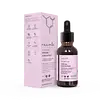
This brightening serum is formulated around Potassium Azeloyl Diglycinate and Zinc PCA to fade the look of dark spots and calm redness.
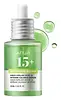
This calming serum is formulated around Azelaic Acid and Centella Asiatica Extract to calm redness and clear breakouts.


What's inside
What's inside
 Key Ingredients
Benefits
Concerns
No concerns
Ingredients Side-by-side
Water
Skin ConditioningPotassium Azeloyl Diglycinate
Skin Conditioning




Dimethyl Isosorbide
SolventEthoxydiglycol
HumectantPropanediol
Solvent

Zinc PCA
Humectant


Phenoxyethanol
Preservative
Ethylhexylglycerin
Skin ConditioningHydroxyethylcellulose
Emulsion StabilisingBetaine
Humectant
Aloe Barbadensis Leaf Extract
Emollient
1,2-Hexanediol
Skin Conditioning
Xanthan Gum
EmulsifyingLactic Acid
Buffering







Sodium Gluconate
ChelatingCitrullus Lanatus Fruit Extract
Skin Conditioning
Carica Papaya Fruit Extract
Skin ConditioningCamellia Sinensis Leaf Extract
Antimicrobial
Pyrus Malus Fruit Extract
Skin Conditioning
Curcuma Longa Root Extract
Antioxidant
Water, Potassium Azeloyl Diglycinate, Dimethyl Isosorbide, Ethoxydiglycol, Propanediol, Zinc PCA, Phenoxyethanol, Ethylhexylglycerin, Hydroxyethylcellulose, Betaine, Aloe Barbadensis Leaf Extract, 1,2-Hexanediol, Xanthan Gum, Lactic Acid, Sodium Gluconate, Citrullus Lanatus Fruit Extract, Carica Papaya Fruit Extract, Camellia Sinensis Leaf Extract, Pyrus Malus Fruit Extract, Curcuma Longa Root Extract
Water
Skin ConditioningPropylene Glycol
Humectant
Azelaic Acid
Buffering
Sodium Hydroxide
Buffering1,2-Hexanediol
Skin Conditioning
Centella Asiatica Extract
Cleansing
Dipropylene Glycol
HumectantButylene Glycol
Humectant
Panthenol
Skin Conditioning
Hydroxyethylcellulose
Emulsion StabilisingGlycerin
Humectant
Ethylhexylglycerin
Skin ConditioningMelia Azadirachta Leaf Extract
Skin ConditioningSalicylic Acid
Masking

Biosaccharide Gum-1
Humectant
Allantoin
Skin Conditioning
Dipotassium Glycyrrhizate
Humectant
Melia Azadirachta Flower Extract
Skin ConditioningSodium Hyaluronate
Humectant
Melaleuca Alternifolia Leaf Oil
Antioxidant

Succinic Acid
BufferingTotarol
Antioxidant
Beta-Glucan
Skin Conditioning
Dextrin
AbsorbentTheobroma Cacao Extract
Skin ConditioningCentella Asiatica Leaf Extract
Skin Conditioning
Centella Asiatica Root Extract
Skin Conditioning
Madecassoside
Antioxidant
Asiaticoside
Antioxidant
Asiatic Acid
Skin Conditioning
Madecassic Acid
Skin Conditioning
Tocopherol
Antioxidant
Squalane
Emollient
Zinc PCA
Humectant
Chlorella Vulgaris Extract
Skin ConditioningCeramide NP
Skin Conditioning
Sodium Hyaluronate Dimethylsilanol
HumectantHydrolyzed Hyaluronic Acid
Humectant
Hydrolyzed Sodium Hyaluronate
Skin Conditioning
Hyaluronic Acid
Humectant
Potassium Hyaluronate
Skin ConditioningHydroxypropyltrimonium Hyaluronate
Sodium Hyaluronate Crosspolymer
Humectant
Sodium Acetylated Hyaluronate
Humectant
Water, Propylene Glycol, Azelaic Acid, Sodium Hydroxide, 1,2-Hexanediol, Centella Asiatica Extract, Dipropylene Glycol, Butylene Glycol, Panthenol, Hydroxyethylcellulose, Glycerin, Ethylhexylglycerin, Melia Azadirachta Leaf Extract, Salicylic Acid, Biosaccharide Gum-1, Allantoin, Dipotassium Glycyrrhizate, Melia Azadirachta Flower Extract, Sodium Hyaluronate, Melaleuca Alternifolia Leaf Oil, Succinic Acid, Totarol, Beta-Glucan, Dextrin, Theobroma Cacao Extract, Centella Asiatica Leaf Extract, Centella Asiatica Root Extract, Madecassoside, Asiaticoside, Asiatic Acid, Madecassic Acid, Tocopherol, Squalane, Zinc PCA, Chlorella Vulgaris Extract, Ceramide NP, Sodium Hyaluronate Dimethylsilanol, Hydrolyzed Hyaluronic Acid, Hydrolyzed Sodium Hyaluronate, Hyaluronic Acid, Potassium Hyaluronate, Hydroxypropyltrimonium Hyaluronate, Sodium Hyaluronate Crosspolymer, Sodium Acetylated Hyaluronate
Reviews
Ingredients Explained
These ingredients are found in both products.
Ingredients higher up in an ingredient list are typically present in a larger amount.
1,2-Hexanediol is a synthetic liquid and another multi-functional powerhouse.
It is a:
- Humectant, drawing moisture into the skin
- Emollient, helping to soften skin
- Solvent, dispersing and stabilizing formulas
- Preservative booster, enhancing the antimicrobial activity of other preservatives
Ethylhexylglycerin is created from glycerin. It is a multitasker ingredient that:
The CIR Expert Panel found minimal skin absorption or sensitization of any kind in a safety assessment. Though this ingredient is considered well-tolerated, a small number of cases of allergic dermatitis have been published since 2002. Just be sure to patch test if you are unsure.
Industry-reported use ranges from 8% in rinse-off products and 2% in leave-on formulations.
Learn more about EthylhexylglycerinHydroxyethylcellulose is used to improve the texture of products. It is created from a chemical reaction involving ethylene oxide and alkali-cellulose. Cellulose is a sugar found in plant cell walls and help give plants structure.
This ingredient helps stabilize products by preventing ingredients from separating. It can also help thicken the texture of a product.
This ingredient can also be found in pill medicines to help our bodies digest other ingredients.
Learn more about HydroxyethylcelluloseWater. It's the most common cosmetic ingredient of all. You'll usually see it at the top of ingredient lists, meaning that it makes up the largest part of the product.
So why is it so popular? Water most often acts as a solvent - this means that it helps dissolve other ingredients into the formulation.
You'll also recognize water as that liquid we all need to stay alive. If you see this, drink a glass of water. Remember to stay hydrated!
Learn more about WaterZinc PCA is a clever two-in-one molecule: the zinc salt of pyrrolidone carboxylic acid (PCA).
Think of it as two useful things bonded together; the PCA half is one of your skin's own natural moisturizing factors (NMF) so it helps hold water in the upper layers. On the other hand, the zinc half does the heavy lifting on oil and bacteria.
The zinc part slows down an enzyme that turns testosterone into DHT, the hormone that tells your oil glands to pump out more sebum. Less of that signal means less oil. It also gently fights acne-causing bacteria and soothes redness/irritation.
This is why Zinc PCA often shows up in products for oily, breakout-prone skin and greasy scalps.
One lab study also hinted it might have a small anti-aging perk because it seemed to protect collagen from UVA damage and even helped the skin make a bit more of it. That last bit is still early research done in a dish and not real skin, so take it as a nice bonus rather than a promise for now.
As for scar healing, the picture is more "maybe" than a firm yes. Zinc itself plays a real role in wound repair because it is a cofactor for the enzymes involved in collagen building, calming inflammation, and helping new skin cells cover a wound. Lower zinc levels are also linked to slower healing.
Most of the scar healing research is on zinc oxide or oral zinc rather than zinc PCA specifically, with a focus on healing fresh wounds instead of scars that are already there.
Direct evidence that zinc PCA improves the look of established scars is still limited at this time. Though it would be fair to say zinc PCA supports the general skin-repair environment thanks to its zinc content .
This ingredient is water-soluble and plays nicely with other actives like niacinamide and salicylic acid. It works best at mildly acidic formulas (~4-6 pH) and is effective at low levels. Around 0.1% is enough to be active and finished products commonly use it anywhere up to 4%.
Overall, this is a well-tolerated, low-drama multitasker that suits oily and acne-prone skin.
Learn more about Zinc PCA

