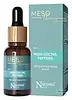
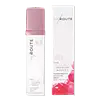
Nacomi Next Level Meso Therapy Meso Coctail Peptides Versus The Route Beauty The Pink Peptide Boost - Growth Factor Serum
This anti-aging serum is formulated around Niacinamide and Palmitoyl Tripeptide-1 to soften the look of wrinkles and refine skin texture.
This anti-aging serum is formulated around Aminopropyl Ascorbyl Phosphate and Niacinamide to soften the look of wrinkles and brighten dull-looking skin.


What's inside
What's inside
 Key Ingredients
Benefits
Concerns
Ingredients Side-by-side
Water
Skin ConditioningGlycerin
Humectant


Panthenol
Skin Conditioning

Propanediol
Solvent
Niacinamide
Smoothing







Sodium Hyaluronate
Humectant
N-Prolyl Palmitoyl Tripeptide-56 Acetate
Skin Conditioning
Trifluoroacetyl Tripeptide-2
Skin Conditioning
Palmitoyl Tripeptide-1
Skin Conditioning
Palmitoyl Tetrapeptide-7
Skin Conditioning
Trehalose
Humectant
Urea
Buffering

Serine
Masking
Algin
MaskingCellulose
Absorbent
Fructose
Humectant
Glucose
Humectant
Dextran
Carbomer
Emulsion StabilisingDisodium Phosphate
BufferingGlyceryl Polyacrylate
Pullulan
Sodium Lactate
Buffering
Sodium Benzoate
Masking
Inulin
Skin Conditioning
Xanthan Gum
EmulsifyingPolysorbate 20
Emulsifying
Potassium Phosphate
BufferingAcetyl Hexapeptide-8
Humectant
Caprylyl Glycol
Emollient
Butylene Glycol
Humectant
Pentylene Glycol
Skin Conditioning
Cellulose Gum
Emulsion StabilisingPhenoxyethanol
Preservative
Water, Glycerin, Panthenol, Propanediol, Niacinamide, Sodium Hyaluronate, N-Prolyl Palmitoyl Tripeptide-56 Acetate, Trifluoroacetyl Tripeptide-2, Palmitoyl Tripeptide-1, Palmitoyl Tetrapeptide-7, Trehalose, Urea, Serine, Algin, Cellulose, Fructose, Glucose, Dextran, Carbomer, Disodium Phosphate, Glyceryl Polyacrylate, Pullulan, Sodium Lactate, Sodium Benzoate, Inulin, Xanthan Gum, Polysorbate 20, Potassium Phosphate, Acetyl Hexapeptide-8, Caprylyl Glycol, Butylene Glycol, Pentylene Glycol, Cellulose Gum, Phenoxyethanol
Water
Skin ConditioningSodium Phytate
ChelatingAminopropyl Ascorbyl Phosphate
Antioxidant

Phenoxyethanol
Preservative
Ethylhexylglycerin
Skin ConditioningCaprylyl Glycol
Emollient
Caprylhydroxamic Acid
ChelatingGlycerin
Humectant
Lysolecithin
EmulsifyingSclerotium Gum
Emulsion StabilisingXanthan Gum
EmulsifyingHydrolyzed Oat Protein
Skin ConditioningNiacinamide
Smoothing
Adenosine Triphosphate
Skin ConditioningTremella Fuciformis Sporocarp Extract
Antioxidant
Betaine
Humectant
Sodium Hyaluronate
Humectant
Sodium Acetylated Hyaluronate
Humectant
Hydrolyzed Sodium Hyaluronate
Skin Conditioning
Pentylene Glycol
Skin Conditioning
Dextran
Trifluoroacetyl Tripeptide-2
Skin Conditioning
Caprylic/Capric Triglyceride
Masking
Geranylgeranylisopropanol
Skin ConditioningPalmitoyl Dipeptide-5 Diaminobutyroyl Hydroxythreonine
Skin Conditioning
Palmitoyl Dipeptide-5 Diaminohydroxybutyrate
Skin Conditioning
Mannitol
Humectant
Phosphatidylcholine
EmulsifyingCetyl Alcohol
Emollient
Decyl Glucoside
Cleansing
Potassium Sorbate
Preservative
Sodium Benzoate
Masking
Sodium Chloride
MaskingDipotassium Phosphate
BufferingOligopeptide-1
Skin Conditioning
Potassium Phosphate
BufferingCyanocobalamin
Skin ConditioningSodium Hydroxide
BufferingWater, Sodium Phytate, Aminopropyl Ascorbyl Phosphate, Phenoxyethanol, Ethylhexylglycerin, Caprylyl Glycol, Caprylhydroxamic Acid, Glycerin, Lysolecithin, Sclerotium Gum, Xanthan Gum, Hydrolyzed Oat Protein, Niacinamide, Adenosine Triphosphate, Tremella Fuciformis Sporocarp Extract, Betaine, Sodium Hyaluronate, Sodium Acetylated Hyaluronate, Hydrolyzed Sodium Hyaluronate, Pentylene Glycol, Dextran, Trifluoroacetyl Tripeptide-2, Caprylic/Capric Triglyceride, Geranylgeranylisopropanol, Palmitoyl Dipeptide-5 Diaminobutyroyl Hydroxythreonine, Palmitoyl Dipeptide-5 Diaminohydroxybutyrate, Mannitol, Phosphatidylcholine, Cetyl Alcohol, Decyl Glucoside, Potassium Sorbate, Sodium Benzoate, Sodium Chloride, Dipotassium Phosphate, Oligopeptide-1, Potassium Phosphate, Cyanocobalamin, Sodium Hydroxide
Ingredients Explained
These ingredients are found in both products.
Ingredients higher up in an ingredient list are typically present in a larger amount.
Caprylyl Glycol is a humectant, skin conditioner, emollient, and preservative booster derived from either caprylic acid or synthetically created.
Typical use levels vary from 0.3-1% as a preservative booster and go up to 2% to condition skin.
Because it is not a free-fatty acid, this ingredient is fungal acne safe (there's nothing for Malassezia to feed on).
Learn more about Caprylyl GlycolDextran is a sugar (polysaccharide) with skin hydrating properties.
Fun fact: Louis Pasteur first discovered this ingredient as a microbial product in wine.
Glycerin (or glycerol) is a compound naturally found in your skin. It's a powerhouse humectant that pulls water into the stratum corneum.
Topically, glycerin does several things at once:
Your skin makes glycerin on its own (mostly from sebaceous oil breakdown) and shuttles it to your outermost layer of skin, or your epidermis, via aquaporin-3.
Aquaporin-3 is a transporter that is essential for normal skin hydration, elasticity, and repair. Interestingly, mice lacking in AQP3 have dry and less elastic skin that can be fully corrected with glycerin.
This ingredient is non-irritating, plays well with almost every ingredient, and works across all skin types. Typical use is anywhere between 3-10% but can go up to 79% in some leave-on products.
Just know very high concentrations (>40%) can feel tacky in low humidity.
Glycerin is the name for this ingredient in American English. British English uses Glycerol/Glycerine.
Learn more about GlycerinNiacinamide is a multitasking form of vitamin B3 that strengthens the skin barrier, reduces pores and dark spots, regulates oil, and improves signs of aging.
And the best part? It's gentle and well-tolerated by most skin types, including sensitive and reactive skin.
You might have heard of "niacin flush", or the reddening of skin that causes itchiness. Niacinamide has not been found to cause this.
In very rare cases, some individuals may not be able to tolerate niacinamide at all or experience an allergic reaction to it.
If you are experiencing flaking, irritation, and dryness with this ingredient, be sure to double check all your products as this ingredient can be found in all categories of skincare.
When incorporating niacinamide into your routine, look out for concentration amounts. Typically, 5% niacinamide provides benefits such as fading dark spots. However, if you have sensitive skin, it is better to begin with a smaller concentration.
When you apply niacinamide to your skin, your body converts it into nicotinamide adenine dinucleotide (NAD). NAD is an essential coenzyme that is already found in your cells as "fuel" and powers countless biological processes.
In your skin, NAD helps repair cell damage, produce new healthy cells, support collagen production, strengthen the skin barrier, and fight environmental stressors (like UV and pollution).
Our natural NAD levels start to decline with age, leading to slower skin repair, visible aging, and a weaker skin barrier. By providing your skin niacinamide, you're recharging your skin's NAD levels. This leads to stronger, healthier, and younger looking skin.
Another name for vitamin B3 is nicotinamide. This vitamin is water-soluble and our bodies don't store it. We obtain Vitamin B3 from either food or skincare. Meat, fish, wheat, yeast, and leafy greens contain vitamin B3.
The type of niacinamide used in skincare is synthetically created.
Learn more about NiacinamidePentylene Glycol (1,2-pentanediol) is a multitasking little diol with three main roles in a formula:
Research on alkanediols (the family pentylene glycol belongs to) show they work by disrupting microbial cell membranes. This disruption helps the primary preservative system in a product work more effectively at lower doses.
On the safety side, the Cosmetic Ingredient Review Expert Panel has concluded this ingredient to be safe as used in current cosmetic practices + concentrations.
Typical use levels in a formula run about 1-5%.
Learn more about Pentylene GlycolPhenoxyethanol is one of the most widely used preservatives in skincare (and for good reason!).
It has a large spectrum of antimicrobial activity and especially effective bacteria, yeast, and mold while only having a weak effect on your skin's natural microbiome.
On a cellular level, it disrupts the cell membranes of microbes by poking holes that make the cell leak. This shuts down the chemical reactions the microbe needs to make energy so it can no longer survive.
Another perk of this ingredient is that it stays functional across a wide pH range (3-10).
You'll often see it paired with boosters like Ethylhexylglycerin; one study showed that a 1:9 ratio of Ethylhexylglycerin to Phenoxyethanol damages bacterial membranes as effectively as doubling the Phenoxyethanol concentration on its own.
Typical use concentrations range from 0.3-1% depending on the formula, and this ingredient is capped at 1% int the EU.
Safety-wise, the fear mongering does not hold up to the evidence. The EU's Scientific Committee on Consumer Safety and FDA consider it safe as a preservative at up to 1%, including for children of all ages.
Adverse systemic effects only showed up in animal studies at exposures roughly 200x higher than what people get from cosmetics. And despite its very widespread use, this ingredient is a rare sensitizer and allergic reactions are uncommon.
Learn more about PhenoxyethanolPotassium Phosphate is the term for the salts of potassium and phosphate ions. Our bodies naturally create and use potassium phosphate.
In cosmetics, potassium phosphate is used to adjust the pH level of products. Our skin has a natural pH level. Maintaining this pH level is important for our skin barrier. If the skin barrier is disrupted, our skin can experience dehydration and irritation.
This ingredient is used in medicine to help treat low blood levels of phosphorus.
Learn more about Potassium PhosphateSodium Benzoate is a preservative. It's used in both cosmetic and food products to inhibit the growth of mold and bacteria. It is typically produced synthetically.
Both the US FDA and EU Health Committee have approved the use of sodium benzoate. In the US, levels of 0.1% (of the total product) are allowed.
Sodium benzoate works as a preservative by inhibiting the growth of bacteria inside of cells. It prevents the cell from fermenting a type of sugar using an enzyme called phosphofructokinase.
It is the salt of benzoic acid. Foods containing sodium benzoate include soda, salad dressings, condiments, fruit juices, wines, and snack foods.
Studies for using ascorbic acid and sodium benzoate in cosmetics are lacking, especially in skincare routines with multiple steps.
We always recommend speaking with a professional, such as a dermatologist, if you have any concerns.
Learn more about Sodium BenzoateSodium Hyaluronate is the salt form of hyaluronic acid. It is a long sugar chain that is naturally found in your skin, joints, and connective tissue that maintains hydration and elasticity.
In skincare, it works as a humectant. It pulls water from the environment and deeper layers of skin and binds it to the surface.
Interestingly, the size of the molecule affects its behavior:
Some clinical evidence links low molecular weight versions to improved wrinkle depth, elasticity, anti-inflammatory effects, and barrier repair.
Many serums use a blend of both weights so you can get surface hydration plus longer-lasting and deeper effects.
You'll typically see concentrations between 0.1-2% for this ingredient.
Learn more about Sodium HyaluronateTrifluoroacetyl Tripeptide-2 is a peptide.
Water. It's the most common cosmetic ingredient of all. You'll usually see it at the top of ingredient lists, meaning that it makes up the largest part of the product.
So why is it so popular? Water most often acts as a solvent - this means that it helps dissolve other ingredients into the formulation.
You'll also recognize water as that liquid we all need to stay alive. If you see this, drink a glass of water. Remember to stay hydrated!
Learn more about WaterXanthan gum is used as a stabilizer and thickener within cosmetic products. It helps give products a sticky, thick feeling - preventing them from being too runny.
On the technical side of things, xanthan gum is a polysaccharide - a combination consisting of multiple sugar molecules bonded together.
Xanthan gum is a pretty common and great ingredient. It is a natural, non-toxic, non-irritating ingredient that is also commonly used in food products.
Learn more about Xanthan Gum

