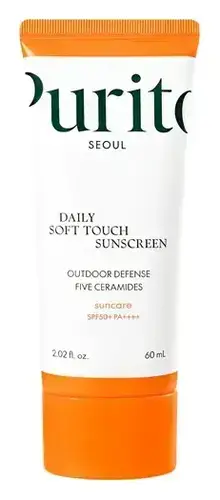
This chemical sunscreen covers the full UV range and blocks ~98% of UVB at SPF 50.
This hybrid sunscreen covers the full UV range and blocks ~98% of UVB at SPF 50.


What's inside
What's inside
 Key Ingredients
Benefits
Concerns
Ingredients Side-by-side
Water
Skin ConditioningCaprylic/Capric Triglyceride
Masking


Dicaprylyl Carbonate
EmollientDiethylamino Hydroxybenzoyl Hexyl Benzoate
UV Filter
Bis-Ethylhexyloxyphenol Methoxyphenyl Triazine
UV Absorber
Diethylhexyl Butamido Triazone
UV Absorber
Glycerin
Humectant
Cetyl Alcohol
Emollient


Ethylhexyl Triazone
UV Absorber
C20-22 Alkyl Phosphate
EmulsifyingC20-22 Alcohols
Emulsion Stabilising
Arginine
Masking
1,2-Hexanediol
Skin Conditioning
Glyceryl Caprylate
EmollientPersea Gratissima Oil
Skin Conditioning


Tocopherol
Antioxidant





Caprylyl Glycol
Emollient
Xanthan Gum
EmulsifyingHelianthus Annuus Seed Oil
Emollient
Acrylates/C10-30 Alkyl Acrylate Crosspolymer
Emulsion StabilisingPersea Gratissima Fruit Extract
EmollientWater, Caprylic/Capric Triglyceride, Dicaprylyl Carbonate, Diethylamino Hydroxybenzoyl Hexyl Benzoate, Bis-Ethylhexyloxyphenol Methoxyphenyl Triazine, Diethylhexyl Butamido Triazone, Glycerin, Cetyl Alcohol, Ethylhexyl Triazone, C20-22 Alkyl Phosphate, C20-22 Alcohols, Arginine, 1,2-Hexanediol, Glyceryl Caprylate, Persea Gratissima Oil, Tocopherol, Caprylyl Glycol, Xanthan Gum, Helianthus Annuus Seed Oil, Acrylates/C10-30 Alkyl Acrylate Crosspolymer, Persea Gratissima Fruit Extract
Water
Skin ConditioningMethylene Bis-Benzotriazolyl Tetramethylbutylphenol
UV Filter
Caprylic/Capric Triglyceride
Masking
Tris-Biphenyl Triazine
UV Absorber
Zinc Oxide
Cosmetic Colorant

Squalane
Emollient
Dipropylheptyl Carbonate
EmollientC12-15 Alkyl Benzoate
AntimicrobialBis-Ethylhexyloxyphenol Methoxyphenyl Triazine
UV Absorber
Decyl Glucoside
Cleansing
Propylene Glycol
Humectant
Glycerin
Humectant
3-O-Ethyl Ascorbic Acid
Skin Conditioning


Polyhydroxystearic Acid
Emulsifying
Sodium Polyacrylate
Absorbent
Butylene Glycol
Humectant
Disodium Phosphate
BufferingCentella Asiatica Extract
Cleansing
Niacinamide
Smoothing

Tranexamic Acid
Astringent
Tocopheryl Acetate
Antioxidant
Phenoxyethanol
Preservative
Xanthan Gum
EmulsifyingEthylhexylglycerin
Skin ConditioningCamellia Sinensis Leaf Extract
Antimicrobial
Bifida Ferment Lysate
Skin Conditioning
Hydrolyzed Yeast Protein
Skin ConditioningPentylene Glycol
Skin Conditioning
Madecassoside
Antioxidant
Palmitoyl Tripeptide-1
Skin Conditioning
Palmitoyl Tetrapeptide-7
Skin Conditioning
Sodium Hyaluronate
Humectant
Beta-Glucan
Skin Conditioning
Anthemis Nobilis Flower Extract
Masking
Olea Europaea Leaf Extract
Perfuming
Bisabolol
Antioxidant
Ceramide NP
Skin Conditioning
Carbomer
Emulsion StabilisingPolysorbate 20
Emulsifying
Silica
Abrasive
CI 77491
Cosmetic ColorantCI 77492
Cosmetic ColorantWater, Methylene Bis-Benzotriazolyl Tetramethylbutylphenol, Caprylic/Capric Triglyceride, Tris-Biphenyl Triazine, Zinc Oxide, Squalane, Dipropylheptyl Carbonate, C12-15 Alkyl Benzoate, Bis-Ethylhexyloxyphenol Methoxyphenyl Triazine, Decyl Glucoside, Propylene Glycol, Glycerin, 3-O-Ethyl Ascorbic Acid, Polyhydroxystearic Acid, Sodium Polyacrylate, Butylene Glycol, Disodium Phosphate, Centella Asiatica Extract, Niacinamide, Tranexamic Acid, Tocopheryl Acetate, Phenoxyethanol, Xanthan Gum, Ethylhexylglycerin, Camellia Sinensis Leaf Extract, Bifida Ferment Lysate, Hydrolyzed Yeast Protein, Pentylene Glycol, Madecassoside, Palmitoyl Tripeptide-1, Palmitoyl Tetrapeptide-7, Sodium Hyaluronate, Beta-Glucan, Anthemis Nobilis Flower Extract, Olea Europaea Leaf Extract, Bisabolol, Ceramide NP, Carbomer, Polysorbate 20, Silica, CI 77491, CI 77492
Reviews
Ingredients Explained
These ingredients are found in both products.
Ingredients higher up in an ingredient list are typically present in a larger amount.
This ingredient is better known as bemotrizinol or Tinosorb S and is one of the best broad-spectrum UV filters in modern sunscreen.
It works by absorbing UV light across a whole range (280-400 nm) with peaks around 310 nm (UVB) and 340-345 nm (UVA). This means it covers UVB plus the deeper UVA wavelengths that drive photoaging and pigmentation.
Another pro?
It's exceptionally photostable, barely degrades in sunlight, and acts as a "bodyguard" for less stable filters.
That's why you'll see it paired with avobenzone or octinoxate; this team up ensures they keep working through sun exposure.
Safety reviews have been reassuring across the board. This ingredient shows low absorption through the skin, rarely irritates, and lab studies found it doesn't act like a hormone in the body (a concern that's been raised about some older sunscreen filters).
On maximum concentrations:
In 2026, the US F.D.A finally added it as an OTC sunscreen ingredient at concentrations up to 6% for adults / children 6 months and older
Learn more about Bis-Ethylhexyloxyphenol Methoxyphenyl TriazineCaprylic/Capric Triglyceride (aka MCT Oil) is a lightweight emollient, solvent, and texture enhancer. It is considered a skin-softener by helping to prevent moisture loss.
Though it behaves like an oil, it is not technically one due to its chemical composition. One perk of this ingredient is that it is very stable, resistant to oxidation, and unlikely to go rancid.
In practice, that translates to a long shelf life and a consistently elegant skin feel.
While there is an assumption Caprylic Triglyceride can clog pores due to it being derived from coconut oil, there is no research supporting this. Just patch test if you have concerns.
Fractionated coconut oil and MCT Oil are both listed as Caprylic/Capric Triglyceride according to INCI. This is because INCI names are based on the ingredient’s final chemical composition and not its marketing name or source.
This ingredient is treated as the gold standard fungal acne safe oil. Even though it is coconut derived, the problematic lauric acid is stripped out.
This leaves just caprylic (C8) and capric (C10) acid. These chain lengths actually trend antifungal; a 2020 study found caprylic acid was enough to disrupt Malassezia furfur cell membrane, with a caprylic acid derivative damaging membrane structures at concentrations as low as 0.2%.
Learn more about Caprylic/Capric TriglycerideGlycerin (or glycerol) is a compound naturally found in your skin. It's a powerhouse humectant that pulls water into the stratum corneum.
Topically, glycerin does several things at once:
Your skin makes glycerin on its own (mostly from sebaceous oil breakdown) and shuttles it to your outermost layer of skin, or your epidermis, via aquaporin-3.
Aquaporin-3 is a transporter that is essential for normal skin hydration, elasticity, and repair. Interestingly, mice lacking in AQP3 have dry and less elastic skin that can be fully corrected with glycerin.
This ingredient is non-irritating, plays well with almost every ingredient, and works across all skin types. Typical use is anywhere between 3-10% but can go up to 79% in some leave-on products.
Just know very high concentrations (>40%) can feel tacky in low humidity.
Glycerin is the name for this ingredient in American English. British English uses Glycerol/Glycerine.
Learn more about GlycerinWater. It's the most common cosmetic ingredient of all. You'll usually see it at the top of ingredient lists, meaning that it makes up the largest part of the product.
So why is it so popular? Water most often acts as a solvent - this means that it helps dissolve other ingredients into the formulation.
You'll also recognize water as that liquid we all need to stay alive. If you see this, drink a glass of water. Remember to stay hydrated!
Learn more about WaterXanthan gum is used as a stabilizer and thickener within cosmetic products. It helps give products a sticky, thick feeling - preventing them from being too runny.
On the technical side of things, xanthan gum is a polysaccharide - a combination consisting of multiple sugar molecules bonded together.
Xanthan gum is a pretty common and great ingredient. It is a natural, non-toxic, non-irritating ingredient that is also commonly used in food products.
Learn more about Xanthan Gum