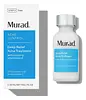
This acne treatment is formulated around Salicylic Acid and Albatrellus Confluens Extract to clear breakouts and calm redness.
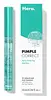
This acne treatment is formulated around Salicylic Acid and Melaleuca Alternifolia Leaf Oil to clear breakouts and refine the look of pores.

What's inside
What's inside
 Key Ingredients
Benefits
Concerns
Ingredients Side-by-side
Salicylic Acid 2%
Masking










Water
Skin ConditioningPropanediol
Solvent

Glycerin
Humectant
Pentylene Glycol
Skin Conditioning
Dicaprylyl Carbonate
EmollientBehenyl Alcohol
Emollient
Dimethyl Isosorbide
SolventPhysalis Pubescens Fruit Juice
Skin ConditioningAlbatrellus Confluens Extract
Humectant
Urea
Buffering
Yeast Amino Acids
HumectantTrehalose
Humectant
Taurine
BufferingInositol
Humectant
Betaine
Humectant
Allantoin
Skin Conditioning
Polylysine
Tocopherol
Antioxidant


Pullulan
Caprylic/Capric Triglyceride
Masking
Lecithin
Emollient
Phytosterols
Skin Conditioning
Cetyl Alcohol
Emollient
Stearyl Alcohol
Emollient
Glyceryl Stearate
Emollient
Polyglyceryl-10 Myristate
Skin Conditioning
Menthyl Lactate
Masking
Xanthan Gum
EmulsifyingSclerotium Gum
Emulsion StabilisingHydrogenated Lecithin
Emulsifying
Leuconostoc/Radish Root Ferment Filtrate
Antimicrobial
Silica
Abrasive
Disodium EDTA
Sodium Hydroxide
BufferingCitric Acid
Buffering
Salicylic Acid 2%, Water, Propanediol, Glycerin, Pentylene Glycol, Dicaprylyl Carbonate, Behenyl Alcohol, Dimethyl Isosorbide, Physalis Pubescens Fruit Juice, Albatrellus Confluens Extract, Urea, Yeast Amino Acids, Trehalose, Taurine, Inositol, Betaine, Allantoin, Polylysine, Tocopherol, Pullulan, Caprylic/Capric Triglyceride, Lecithin, Phytosterols, Cetyl Alcohol, Stearyl Alcohol, Glyceryl Stearate, Polyglyceryl-10 Myristate, Menthyl Lactate, Xanthan Gum, Sclerotium Gum, Hydrogenated Lecithin, Leuconostoc/Radish Root Ferment Filtrate, Silica, Disodium EDTA, Sodium Hydroxide, Citric Acid
Salicylic Acid 2%
Masking
Water
Skin ConditioningButylene Glycol
Humectant
Nigella Sativa Seed Extract
Perfuming
Isopentyldiol
Humectant
Sodium Polyacrylate
Absorbent
Lactic Acid
Buffering
Hydroxyethylcellulose
Emulsion StabilisingMelaleuca Alternifolia Leaf Oil
Antioxidant

Niacinamide
Smoothing
Polydextrose
HumectantCaffeine
Skin Conditioning
Maltodextrin
Absorbent
Xanthan Gum
EmulsifyingAllantoin
Skin Conditioning
Ceratonia Siliqua Gum
EmollientSodium Hydroxide
BufferingOpuntia Ficus-Indica Stem Extract
Skin Conditioning
Agar
MaskingAloe Barbadensis Leaf Juice Powder
Skin Conditioning
Glycerin
Humectant
Biosaccharide Gum-1
Humectant
Melia Azadirachta Leaf Extract
Skin ConditioningMelia Azadirachta Flower Extract
Skin Conditioning1,2-Hexanediol
Skin Conditioning
Caprylyl Glycol
Emollient
Sodium Levulinate
Skin ConditioningGlyceryl Caprylate
EmollientTocopherol
Antioxidant
Tocopheryl Acetate
Antioxidant
Coccinia Indica Fruit Extract
Skin Conditioning
Disodium Phosphate
BufferingPolysorbate 60
Emulsifying
Ammonium Acryloyldimethyltaurate/Vp Copolymer
Gellan Gum
Sodium Anisate
AntimicrobialAloe Barbadensis Flower Extract
EmollientSolanum Melongena Fruit Extract
Skin ConditioningAzelaic Acid
Buffering
Corallina Officinalis Extract
Skin Conditioning
Curcuma Longa Root Extract
Antioxidant
Ocimum Sanctum Leaf Extract
Skin ConditioningSimmondsia Chinensis Seed Oil
Emollient
Sodium Phosphate
BufferingSebacic Acid
BufferingLimonene
Perfuming
Salicylic Acid 2%, Water, Butylene Glycol, Nigella Sativa Seed Extract, Isopentyldiol, Sodium Polyacrylate, Lactic Acid, Hydroxyethylcellulose, Melaleuca Alternifolia Leaf Oil, Niacinamide, Polydextrose, Caffeine, Maltodextrin, Xanthan Gum, Allantoin, Ceratonia Siliqua Gum, Sodium Hydroxide, Opuntia Ficus-Indica Stem Extract, Agar, Aloe Barbadensis Leaf Juice Powder, Glycerin, Biosaccharide Gum-1, Melia Azadirachta Leaf Extract, Melia Azadirachta Flower Extract, 1,2-Hexanediol, Caprylyl Glycol, Sodium Levulinate, Glyceryl Caprylate, Tocopherol, Tocopheryl Acetate, Coccinia Indica Fruit Extract, Disodium Phosphate, Polysorbate 60, Ammonium Acryloyldimethyltaurate/Vp Copolymer, Gellan Gum, Sodium Anisate, Aloe Barbadensis Flower Extract, Solanum Melongena Fruit Extract, Azelaic Acid, Corallina Officinalis Extract, Curcuma Longa Root Extract, Ocimum Sanctum Leaf Extract, Simmondsia Chinensis Seed Oil, Sodium Phosphate, Sebacic Acid, Limonene
Reviews
Ingredients Explained
These ingredients are found in both products.
Ingredients higher up in an ingredient list are typically present in a larger amount.
Allantoin is a soothing ingredient known for its protective and moisturizing properties; it's basically a quiet workhorse ingredient you can find in a huge range of cosmetics.
Though it can be derived from the comfrey plant, allantoin is produced synthetically for cosmetic products to ensure purity.
Research shows it can encourage your skin cells to turn over and renew by stimulating keratinocyte and fibroblast proliferation.
It also has mild keratolytic properties to help loosen and shed dead skin cells without being harsh.
Studies also suggest allantoin can help calm inflammation by dialing down some of the chemical signals your skin sends out when it is irritated.
This ingredient is typically used in the 0.1-0.5% range, and the FDA recognizes it as a skin protectant in OTC products up to 2%.
Overall, allantoin is a wonderful addition to most routines; it is stable across a wide pH range (~4-8), works well with other ingredients, and is considered non-sensitizing/non-irritating.
Fun fact: Allantoin is naturally occurring in comfrey root, beets, chamomile, and wheat sprouts. Our bodies even produce it as a byproduct of uric acid metabolism.
Learn more about AllantoinGlycerin (or glycerol) is a compound naturally found in your skin. It's a powerhouse humectant that pulls water into the stratum corneum.
Topically, glycerin does several things at once:
Your skin makes glycerin on its own (mostly from sebaceous oil breakdown) and shuttles it to your outermost layer of skin, or your epidermis, via aquaporin-3.
Aquaporin-3 is a transporter that is essential for normal skin hydration, elasticity, and repair. Interestingly, mice lacking in AQP3 have dry and less elastic skin that can be fully corrected with glycerin.
This ingredient is non-irritating, plays well with almost every ingredient, and works across all skin types. Typical use is anywhere between 3-10% but can go up to 79% in some leave-on products.
Just know very high concentrations (>40%) can feel tacky in low humidity.
Glycerin is the name for this ingredient in American English. British English uses Glycerol/Glycerine.
Learn more about GlycerinSalicylic Acid (also known as beta hydroxy acid or BHA) is a well-known ingredient for treating skin that struggles with acne and clogged pores. It exfoliates both the skin's surface and deep within the pores to help clear out buildup, control oil, and reduce inflammation.
Unlike AHAs (alpha hydroxy acids), salicylic acid is oil-soluble. This allows it to penetrate into pores which makes it especially effective for treating blackheads and preventing future breakouts.
Salicylic acid is also known for its soothing properties. It has a similar structure to aspirin and can calm inflamed or irritated skin, making it a good option for acne-prone skin that is also sensitive.
Concentrations of 0.5-2% are recognized by the U.S. FDA as an over-the-counter topical acne product.
It can cause irritation and/or dryness if one's skin already has a compromised moisture barrier, so it's best to focus on repairing that before introducing this ingredient into your routine.
While salicylic acid does not increase sun sensitivity, it’s still important to wear sunscreen daily to protect your skin.
If you are looking for the ingredient called BHA or Butylated Hydroxyanisole, click here.
Learn more about Salicylic AcidSodium Hydroxide is also known as lye or caustic soda. It is used to adjust the pH of products; many ingredients require a specific pH to be effective.
In small amounts, sodium hydroxide is considered safe to use. However, large amounts may cause chemical burns due to its high alkaline.
Your skin has a natural pH and acid mantle. This acid mantle helps prevent harmful bacteria from breaking through. The acid mantle also helps keep your skin hydrated.
"Alkaline" refers to a high pH level. A low pH level would be considered acidic.
Learn more about Sodium HydroxideTocopherol is a fat-soluble antioxidant known as Vitamin E.
You'll find this ingredient in the vast majority of skincare (for good reason). It works to neutralize free radicals, or unstable molecules generated by UV exposure, pollution, and other environmental stressors, before they can cause oxidative damage to your skin cells.
Topically applied tocopherol has been shown to protect against UV damage by ramping up the skin's own natural defense enzymes.
It also acts as a skin conditioning agent; some studies show that regular topical use can improve the skin's water-binding capacity over 2-4 weeks.
This ingredient is especially loved for being a team player. When combined with Vitamin C, the photoprotective effect of both ingredients roughly doubles and the combo also helps reduce UV-induced DNA damage.
This ingredient has some brightening potential but it's more of a prevention ingredient than spot-fader. Cell studies show it can slow down melanin production but it's worth noting that it's not the most powerful brightener out there.
In formulations, it also serves as a stabilizer that helps protect other oxidation-prone ingredients from degrading.
Concentrations usually range from 0.1-1% in most leave-on products.
Learn more about TocopherolWater. It's the most common cosmetic ingredient of all. You'll usually see it at the top of ingredient lists, meaning that it makes up the largest part of the product.
So why is it so popular? Water most often acts as a solvent - this means that it helps dissolve other ingredients into the formulation.
You'll also recognize water as that liquid we all need to stay alive. If you see this, drink a glass of water. Remember to stay hydrated!
Learn more about WaterXanthan gum is used as a stabilizer and thickener within cosmetic products. It helps give products a sticky, thick feeling - preventing them from being too runny.
On the technical side of things, xanthan gum is a polysaccharide - a combination consisting of multiple sugar molecules bonded together.
Xanthan gum is a pretty common and great ingredient. It is a natural, non-toxic, non-irritating ingredient that is also commonly used in food products.
Learn more about Xanthan Gum

