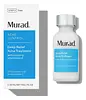
This acne treatment is formulated around Salicylic Acid and Albatrellus Confluens Extract to clear breakouts and calm redness.
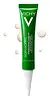
This acne treatment is formulated around Sulfur and Niacinamide to clear breakouts and balance excess oil.


What's inside
What's inside
 Key Ingredients
Benefits
Concerns
Ingredients Side-by-side
Salicylic Acid 2%
Masking










Water
Skin ConditioningPropanediol
Solvent

Glycerin
Humectant
Pentylene Glycol
Skin Conditioning
Dicaprylyl Carbonate
EmollientBehenyl Alcohol
Emollient
Dimethyl Isosorbide
SolventPhysalis Pubescens Fruit Juice
Skin ConditioningAlbatrellus Confluens Extract
Humectant
Urea
Buffering
Yeast Amino Acids
HumectantTrehalose
Humectant
Taurine
BufferingInositol
Humectant
Betaine
Humectant
Allantoin
Skin Conditioning
Polylysine
Tocopherol
Antioxidant


Pullulan
Caprylic/Capric Triglyceride
Masking
Lecithin
Emollient
Phytosterols
Skin Conditioning
Cetyl Alcohol
Emollient
Stearyl Alcohol
Emollient
Glyceryl Stearate
Emollient
Polyglyceryl-10 Myristate
Skin Conditioning
Menthyl Lactate
Masking
Xanthan Gum
EmulsifyingSclerotium Gum
Emulsion StabilisingHydrogenated Lecithin
Emulsifying
Leuconostoc/Radish Root Ferment Filtrate
Antimicrobial
Silica
Abrasive
Disodium EDTA
ChelatingSodium Hydroxide
BufferingCitric Acid
Buffering
Salicylic Acid 2%, Water, Propanediol, Glycerin, Pentylene Glycol, Dicaprylyl Carbonate, Behenyl Alcohol, Dimethyl Isosorbide, Physalis Pubescens Fruit Juice, Albatrellus Confluens Extract, Urea, Yeast Amino Acids, Trehalose, Taurine, Inositol, Betaine, Allantoin, Polylysine, Tocopherol, Pullulan, Caprylic/Capric Triglyceride, Lecithin, Phytosterols, Cetyl Alcohol, Stearyl Alcohol, Glyceryl Stearate, Polyglyceryl-10 Myristate, Menthyl Lactate, Xanthan Gum, Sclerotium Gum, Hydrogenated Lecithin, Leuconostoc/Radish Root Ferment Filtrate, Silica, Disodium EDTA, Sodium Hydroxide, Citric Acid
Sulfur
Antiseborrhoeic
Water
Skin ConditioningNiacinamide
Smoothing
Zea Mays Starch
Absorbent
Glycolic Acid
Buffering
Stearyl Alcohol
Emollient
Glycerin
Humectant
Octyldodecyl Myristate
EmollientCetearyl Alcohol
Emollient
Glyceryl Stearate
Emollient
Sodium Hydroxide
BufferingMagnesium Aluminum Silicate
Absorbent
PEG-100 Stearate
Surfactant
C13-14 Isoparaffin
Emollient
Allantoin
Skin Conditioning
Ceteareth-20
Cleansing
Phenoxyethanol
Preservative
Phenylethyl Resorcinol
Antioxidant
Tocopheryl Acetate
Antioxidant
Disodium EDTA
ChelatingLaureth-7
EmulsifyingHydrogenated Lecithin
Emulsifying
Polyacrylamide
Ethylhexylglycerin
Skin ConditioningSulfur, Water, Niacinamide, Zea Mays Starch, Glycolic Acid, Stearyl Alcohol, Glycerin, Octyldodecyl Myristate, Cetearyl Alcohol, Glyceryl Stearate, Sodium Hydroxide, Magnesium Aluminum Silicate, PEG-100 Stearate, C13-14 Isoparaffin, Allantoin, Ceteareth-20, Phenoxyethanol, Phenylethyl Resorcinol, Tocopheryl Acetate, Disodium EDTA, Laureth-7, Hydrogenated Lecithin, Polyacrylamide, Ethylhexylglycerin
Reviews
Ingredients Explained
These ingredients are found in both products.
Ingredients higher up in an ingredient list are typically present in a larger amount.
Allantoin is a soothing ingredient known for its protective and moisturizing properties; it's basically a quiet workhorse ingredient you can find in a huge range of cosmetics.
Though it can be derived from the comfrey plant, allantoin is produced synthetically for cosmetic products to ensure purity.
Research shows it can encourage your skin cells to turn over and renew by stimulating keratinocyte and fibroblast proliferation.
It also has mild keratolytic properties to help loosen and shed dead skin cells without being harsh.
Studies also suggest allantoin can help calm inflammation by dialing down some of the chemical signals your skin sends out when it is irritated.
This ingredient is typically used in the 0.1-0.5% range, and the FDA recognizes it as a skin protectant in OTC products up to 2%.
Overall, allantoin is a wonderful addition to most routines; it is stable across a wide pH range (~4-8), works well with other ingredients, and is considered non-sensitizing/non-irritating.
Fun fact: Allantoin is naturally occurring in comfrey root, beets, chamomile, and wheat sprouts. Our bodies even produce it as a byproduct of uric acid metabolism.
Learn more about AllantoinDisodium EDTA is a chelating agent. It grabs onto and deactivates metal ions that sneak into your products from water, packaging, or air.
This ingredient mainly works behind the scenes and helps with:
On top of that, this ingredient can counteract the effects of hard water by binding to the minerals in it.
One thing worth knowing is that Disodium EDTA has been shown to be a mild penetration enhancer. It can help other ingredients absorb into skin more effectively which can be a double-edged sword (great for actives, but can also make the active too strong if you have sensitive skin).
Clinical patch testing showed no significant skin irritation at typical use concentrations and minimal dermal absorption.
You'll most likely see this ingredient near the end of an ingredient list. It's typically found in concentrations less than 1%.
Learn more about Disodium EDTAGlycerin (or glycerol) is a compound naturally found in your skin. It's a powerhouse humectant that pulls water into the stratum corneum.
Topically, glycerin does several things at once:
Your skin makes glycerin on its own (mostly from sebaceous oil breakdown) and shuttles it to your outermost layer of skin, or your epidermis, via aquaporin-3.
Aquaporin-3 is a transporter that is essential for normal skin hydration, elasticity, and repair. Interestingly, mice lacking in AQP3 have dry and less elastic skin that can be fully corrected with glycerin.
This ingredient is non-irritating, plays well with almost every ingredient, and works across all skin types. Typical use is anywhere between 3-10% but can go up to 79% in some leave-on products.
Just know very high concentrations (>40%) can feel tacky in low humidity.
Glycerin is the name for this ingredient in American English. British English uses Glycerol/Glycerine.
Learn more about GlycerinGlyceryl Stearate is made by reacting glycerin with stearic acid (typically sourced from plant oils like palm or coconut). It's an emulsifier, emollient, and mild occlusive.
Emulsifiers help ingredients like oil and water stay mixed so your formula stays nicely blended and uniform in texture.
This ingredient is typically used in concentrations between 1-10%. Studies have found it to be non-sensitizing, non-phototoxic, and non-photoallergenic.
A close cousin of this ingredient is Glyceryl Stearate SE ("self-emulsifying"). This just has a small amount of sodium or potassium stearate added so it can emulsify without a co-emulsifier.
Since this ingredient is an ester of a C18 fatty acid, it may not be fungal acne safe. The Malassezia yeast can potentially metabolize within the C11-C24 range.
Fun fact: The human body also creates Glyceryl Stearate naturally.
Learn more about Glyceryl StearateHydrogenated Lecithin is a more stable version of lecithin.
It's made by taking lecithin (a phospholipid commonly found in soybeans and egg yolks) and hydrogenating it. This just means the unsaturated fatty acids are turned into saturated ones so they don't go bad as easily.
This ingredient is an emollient, emulsifier, and penetration enhancer. As an emollient, it helps soften and hydrate skin by trapping moisture within. As an emulsifier, it prevents oil and water ingredients from separating.
Hydrogenated Lecithin can form tiny spherical structures made of phospholipid bilayers called liposomes. These liposomes are able to capture compounds inside their structure and deliver them through the skin barrier.
Because phospholipids are a natural component of our cell membranes, this ingredient is inherently compatible with skin.
A 2021 study found lecithin-based surfactants were less harsh and more tolerable comared to Sodium Lauryl Sulfate (SLS).
Learn more about Hydrogenated LecithinSodium Hydroxide is also known as lye or caustic soda. It is used to adjust the pH of products; many ingredients require a specific pH to be effective.
In small amounts, sodium hydroxide is considered safe to use. However, large amounts may cause chemical burns due to its high alkaline.
Your skin has a natural pH and acid mantle. This acid mantle helps prevent harmful bacteria from breaking through. The acid mantle also helps keep your skin hydrated.
"Alkaline" refers to a high pH level. A low pH level would be considered acidic.
Learn more about Sodium HydroxideStearyl Alcohol is a type of fatty alcohol from stearic acid. It is a white, waxy compound used to emulsify ingredients used as an emollient or to thicken a product.
Emollients help soothe and hydrate the skin by trapping moisture.
Fatty alcohols are usually derived from natural fats and oils and therefore do not have the same drying or irritating effect as solvent (ethanol) alcohols.
The FDA allows products labeled "alcohol-free" to have fatty alcohols.
This ingredient may not be fungal acne safe. It is a primary fatty alcohol with a chain length above 12 carbons. A study from 2019 show Malassezia can feed on fatty alcohols in this range, so it may trigger fungal acne in those prone to it.
Learn more about Stearyl AlcoholWater. It's the most common cosmetic ingredient of all. You'll usually see it at the top of ingredient lists, meaning that it makes up the largest part of the product.
So why is it so popular? Water most often acts as a solvent - this means that it helps dissolve other ingredients into the formulation.
You'll also recognize water as that liquid we all need to stay alive. If you see this, drink a glass of water. Remember to stay hydrated!
Learn more about Water

