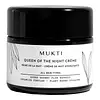
This barrier-repair night moisturizer is formulated around Aloe Barbadensis Leaf Juice and Squalane to strengthen the skin barrier and soften the look of wrinkles.
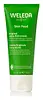
This calming moisturizer is formulated around Helianthus Annuus Seed Oil and Prunus Amygdalus Dulcis Oil to calm redness and hydrate skin.


What's inside
What's inside
 Key Ingredients
No key ingredients
Benefits
Concerns
Ingredients Side-by-side
Aloe Barbadensis Leaf Juice
Skin Conditioning


Rosa Damascena Flower Water
Masking
Glycerin
Humectant

Cetearyl Alcohol
Emollient






Squalane
Emollient
Water
Skin ConditioningCetearyl Olivate
Behenic Acid
Cleansing
Ceramide AP
Skin Conditioning
Ceramide EOP
Skin Conditioning
Ceramide NP
Skin Conditioning
Cholesterol
Emollient
Daucus Carota Sativa Root Extract
Skin Conditioning
Glyceryl Stearate
Emollient
Oligopeptide-1
Skin Conditioning


Pentylene Glycol
Skin Conditioning
Phytosphingosine
Skin Conditioning
Polyglyceryl-10 Stearate
Skin Conditioning
Polyglyceryl-6 Behenate
Emulsion Stabilising
Potassium Cetyl Phosphate
EmulsifyingPrunus Salicina Fruit Extract
Antioxidant
Sodium Cetearyl Sulfate
Cleansing
Solanum Centrale Fruit Extract
Skin ConditioningAnigozanthos Flavidus Flower/Leaf Extract
Skin ConditioningEucalyptus Olida Leaf Extract
Skin ConditioningTerminalia Ferdinandiana Fruit Extract
Antioxidant
Nicotiana Benthamiana Hexapeptide-40 Sh-Polypeptide-47
Oenothera Biennis Seed Extract
Skin ConditioningRosmarinus Officinalis Leaf Extract
AntimicrobialSalvia Hispanica Seed Oil
Emollient
Pelargonium Graveolens Oil
Masking



Maltodextrin
Absorbent
Sclerotium Gum
Emulsion StabilisingSilica
Abrasive


Sodium Levulinate
Skin ConditioningSorbitan Olivate
Emulsifying
Xanthan Gum
EmulsifyingCitric Acid
Buffering

Lysolecithin
EmulsifyingPullulan
Sodium Citrate
BufferingTriethyl Citrate
Masking
Benzyl Alcohol
Perfuming

Butylene Glycol
Humectant
Dehydroacetic Acid
Preservative
Potassium Sorbate
Preservative
Sodium Benzoate
Masking
Citral
Perfuming
Citronellol
Perfuming
Geraniol
Perfuming
Linalool
Perfuming
Aloe Barbadensis Leaf Juice, Rosa Damascena Flower Water, Glycerin, Cetearyl Alcohol, Squalane, Water, Cetearyl Olivate, Behenic Acid, Ceramide AP, Ceramide EOP, Ceramide NP, Cholesterol, Daucus Carota Sativa Root Extract, Glyceryl Stearate, Oligopeptide-1, Pentylene Glycol, Phytosphingosine, Polyglyceryl-10 Stearate, Polyglyceryl-6 Behenate, Potassium Cetyl Phosphate, Prunus Salicina Fruit Extract, Sodium Cetearyl Sulfate, Solanum Centrale Fruit Extract, Anigozanthos Flavidus Flower/Leaf Extract, Eucalyptus Olida Leaf Extract, Terminalia Ferdinandiana Fruit Extract, Nicotiana Benthamiana Hexapeptide-40 Sh-Polypeptide-47, Oenothera Biennis Seed Extract, Rosmarinus Officinalis Leaf Extract, Salvia Hispanica Seed Oil, Pelargonium Graveolens Oil, Maltodextrin, Sclerotium Gum, Silica, Sodium Levulinate, Sorbitan Olivate, Xanthan Gum, Citric Acid, Lysolecithin, Pullulan, Sodium Citrate, Triethyl Citrate, Benzyl Alcohol, Butylene Glycol, Dehydroacetic Acid, Potassium Sorbate, Sodium Benzoate, Citral, Citronellol, Geraniol, Linalool
Water
Skin ConditioningHelianthus Annuus Seed Oil
Emollient
Lanolin
Emollient
Prunus Amygdalus Dulcis Oil
Skin Conditioning
Cera Alba
Emollient
Alcohol
Antimicrobial
Polyglyceryl-3 Polyricinoleate
Emulsifying
Glycerin
Humectant
Limonene
Perfuming
Viola Tricolor Extract
EmollientHydrolyzed Beeswax
Emulsifying
Sorbitan Olivate
Emulsifying
Rosmarinus Officinalis Leaf Extract
AntimicrobialChamomilla Recutita Flower Extract
Masking
Calendula Officinalis Flower Extract
Masking
Arginine
Masking
Zinc Sulfate
Antimicrobial
Parfum
Masking
Linalool
Perfuming
Geraniol
Perfuming
Citral
Perfuming
Coumarin
Perfuming
Water, Helianthus Annuus Seed Oil, Lanolin, Prunus Amygdalus Dulcis Oil, Cera Alba, Alcohol, Polyglyceryl-3 Polyricinoleate, Glycerin, Limonene, Viola Tricolor Extract, Hydrolyzed Beeswax, Sorbitan Olivate, Rosmarinus Officinalis Leaf Extract, Chamomilla Recutita Flower Extract, Calendula Officinalis Flower Extract, Arginine, Zinc Sulfate, Parfum, Linalool, Geraniol, Citral, Coumarin
Reviews
Ingredients Explained
These ingredients are found in both products.
Ingredients higher up in an ingredient list are typically present in a larger amount.
Citral is the molecule responsible for the fresh lemon scent in lemon, lime, and lemongrass. It is a fragrance ingredient that can be created from plant essential oils or synthetically.
Though Citral has documented antimicrobial activity against acne bacteria (which is where the marketing claims about it being good for acne-prone skin originate), real formulas use it at fragrance-level concentrations under 1% so there's likely no skin benefit.
You should know this ingredient is a known EU fragrance allergen.
Animal studies classifies this ingredient as a weak-to-moderate skin sensitizer and clinical patch testing on eczema patients confirmed it to be both a contact allergen and irritant.
The term 'citral' is a collective term for two geometric isomers: geranial/Citral A and neral/Citral B.
The term 'fragrance' is not regulated in many countries. In many cases, it is up to the brand to define this term. For instance, many brands choose to label themselves as "fragrance-free" because they are not using synthetic fragrances. However, their products may still contain ingredients such as essential oils that are considered a fragrance.
Learn more about CitralGeraniol is used to add fragrance/parfum to a product. It is the main component of citronellol. It is a monoterpenoid and an alcohol.
Monoterpenes are naturally found in many parts of different plants.
Geraniol can be found in many essential oils including Rose Oil and Citronella Oil. The scent of Geraniol is often described as "rose-like". Many foods also contain Geraniol for fruit flavoring.
Geraniol can irritate the skin when exposed to air. However, irritation depends on the ability of geraniol to penetrate into the skin. In general, geraniol is not able to penetrate skin easily.
Geraniol is colorless and has low water-solubility. However, it is soluble in common organic solvents.
Like citronellol, it is a natural insect repellent.
2,6-Octadien-1-ol, 3,7-dimethyl-, (2E)-
Learn more about GeraniolGlycerin (or glycerol) is a compound naturally found in your skin. It's a powerhouse humectant that pulls water into the stratum corneum.
Topically, glycerin does several things at once:
Your skin makes glycerin on its own (mostly from sebaceous oil breakdown) and shuttles it to your outermost layer of skin, or your epidermis, via aquaporin-3.
Aquaporin-3 is a transporter that is essential for normal skin hydration, elasticity, and repair. Interestingly, mice lacking in AQP3 have dry and less elastic skin that can be fully corrected with glycerin.
This ingredient is non-irritating, plays well with almost every ingredient, and works across all skin types. Typical use is anywhere between 3-10% but can go up to 79% in some leave-on products.
Just know very high concentrations (>40%) can feel tacky in low humidity.
Glycerin is the name for this ingredient in American English. British English uses Glycerol/Glycerine.
Learn more about GlycerinLinalool is a small, naturally occurring scent molecule found in plants like lavender, coriander, bergamot, and more.
It is one of the two most-used fragrance ingredients in cosmetics and added purely for smell. Since it's not used for a skin benefit, there's no "effective dose". Concentration depends on the fragrance load of the product.
The EU requires it to be named on the label above 0.001% in leave-on and 0.01% in rinse-off products.
Fresh linalool is a weak sensitizer but air exposure turns some of it into hydroperoxides, which are strong sensitizers. Those oxidation products are the actual allergy concern.
Patch-test clinics see positive reactions to linalool hydroperoxides in about 4% to 12% of dermatitis patients depending on country and test concentration.
Resassuringly, one analytical study found hydroperoxide levels in real fragranced products to be orders of magnitude below what induced sensitization in animal studies with no evidence of oxidation building up during normal storage.
The practical takeaway is that linalool is fine for most people but worth avoiding if you have a confirmed fragrance contact allergy or a badly compromised barrier.
Products stored a long time after opening are also the high-risk scenario since that is when oxidation happens.
The scent of linalool is described as floral, spicy tropical, and citrus-like.
Learn more about LinaloolThis is a botanical extract from the rosemary plant (the same one you cook with). In skincare, it mostly works as a skin conditioning agent.
Its activity comes from a handful of polyphenols, carnosic acid, carnosol, and rosmarinic acid. Almost 90% of the antioxidant activity of this ingredient can be attributed to canosol and carnosic acid.
These compounds protect your skin two ways:
1) They fight off free radicals, or the unstable molecules from things like sun and pollution that age and damage skin.
2) They help calm inflammation by switching off the chemical signals that tell skin to get red and irritated.
Lab studies also suggest that rosmarinic acid may help protect collagen and slow sugar-related damage to it.
The Cosmetic Ingredient Review has concluded rosemary-derived ingredients to be safe when formulated to be non-sensitizing.
Rosemary can occasionally cause allergic contact dermatitis (due to carnosol), so be sure to patch test if you have reactive or fragrance-sensitive skin.
Learn more about Rosmarinus Officinalis Leaf ExtractSorbitan Olivate is created from the fatty acids in olive oil and sorbitol.
This ingredient is an oil in water emulsifier. It helps stabilize a product by preventing oils and waters from separating. Sorbitan Olivate also helps hydrate the skin.
This ingredient is also known as part of Olivem 1000, with Cetearyl Olivate being the other part.
According to a manufacturer, this ingredient helps preserve the natural microbiome of skin. Having a healthy microbiome helps keep our skin healthy and protects against harmful bacteria.
Please note, having a healthy microbiome is different from fungal acne; a healthy microbiome includes small amounts of yeast that normally live on your skin without causing problems.
Fungal acne happens when one type of yeast (Malassezia) grows out of control. This is usually because it's feeding on certain oils or fatty acids. Due to the olive oil base, this ingredient may not be fungal acne safe.
Learn more about Sorbitan OlivateWater. It's the most common cosmetic ingredient of all. You'll usually see it at the top of ingredient lists, meaning that it makes up the largest part of the product.
So why is it so popular? Water most often acts as a solvent - this means that it helps dissolve other ingredients into the formulation.
You'll also recognize water as that liquid we all need to stay alive. If you see this, drink a glass of water. Remember to stay hydrated!
Learn more about Water

