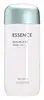
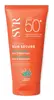
Missha All-Around Safe Block Essence Sun Milk EX SPF 50+ PA++++ Versus SVR Sun Secure Extrême SPF 50+
This chemical sunscreen covers the full UV range and blocks ~98% of UVB at SPF 50.
This chemical sunscreen covers the full UV range and blocks ~98% of UVB at SPF 50.


What's inside
What's inside
 Key Ingredients
Benefits
Concerns
Ingredients Side-by-side
Water
Skin ConditioningEthylhexyl Methoxycinnamate
UV Absorber


Acrylates Copolymer
Alcohol Denat.
Antimicrobial



Butyloctyl Salicylate
Skin Conditioning
Octocrylene
UV Absorber
Ethylhexyl Salicylate
UV Absorber
Butylene Glycol
Humectant

Butyl Methoxydibenzoylmethane
UV Absorber
Methyl Methacrylate Crosspolymer

Cetearyl Olivate

Bis-Ethylhexyloxyphenol Methoxyphenyl Triazine
UV Absorber
Silica
Abrasive

Beeswax
Emulsion Stabilising

Aloe Barbadensis Leaf Extract
Emollient

Abronia Villosa Leaf Extract
Skin ConditioningCinchona Succirubra Bark Extract
Skin ConditioningPsidium Guajava Leaf Extract
AstringentRhodiola Rosea Root Extract
EmollientAdansonia Digitata Seed Extract
Skin ConditioningEquisetum Arvense Extract
AstringentOlea Europaea Leaf Extract
Perfuming
Vaccinium Oxycoccos Seedcake
Skin ConditioningFructan
Skin ConditioningGlucose
Humectant
Sophora Japonica Flower Extract
Skin ProtectingPentylene Glycol
Skin Conditioning
Chrysanthemum Indicum Flower Extract
Skin Conditioning
Camellia Japonica Flower Extract
EmollientNelumbo Nucifera Flower Extract
Skin ConditioningPrunus Mume Flower Extract
Skin ConditioningGlyceryl Stearate
Emollient
Sorbitan Olivate
Emulsifying
Sorbitan Stearate
Emulsifying
Caprylyl Glycol
Emollient
Sodium Isostearoyl Lactylate
EmulsifyingPotassium Sorbate
Preservative
Cetearyl Alcohol
Emollient
Ethylhexylglycerin
Skin ConditioningParfum
Masking
Coco-Glucoside
Cleansing
1,2-Hexanediol
Skin Conditioning
Acrylates/C10-30 Alkyl Acrylate Crosspolymer
Emulsion StabilisingAcrylamide/Sodium Acryloyldimethyltaurate Copolymer
Emulsion StabilisingTromethamine
BufferingIsohexadecane
EmollientDisodium EDTA
Polysorbate 80
Emulsifying
Sorbitan Oleate
Emulsifying
Water, Ethylhexyl Methoxycinnamate, Acrylates Copolymer, Alcohol Denat., Butyloctyl Salicylate, Octocrylene, Ethylhexyl Salicylate, Butylene Glycol, Butyl Methoxydibenzoylmethane, Methyl Methacrylate Crosspolymer, Cetearyl Olivate, Bis-Ethylhexyloxyphenol Methoxyphenyl Triazine, Silica, Beeswax, Aloe Barbadensis Leaf Extract, Abronia Villosa Leaf Extract, Cinchona Succirubra Bark Extract, Psidium Guajava Leaf Extract, Rhodiola Rosea Root Extract, Adansonia Digitata Seed Extract, Equisetum Arvense Extract, Olea Europaea Leaf Extract, Vaccinium Oxycoccos Seedcake, Fructan, Glucose, Sophora Japonica Flower Extract, Pentylene Glycol, Chrysanthemum Indicum Flower Extract, Camellia Japonica Flower Extract, Nelumbo Nucifera Flower Extract, Prunus Mume Flower Extract, Glyceryl Stearate, Sorbitan Olivate, Sorbitan Stearate, Caprylyl Glycol, Sodium Isostearoyl Lactylate, Potassium Sorbate, Cetearyl Alcohol, Ethylhexylglycerin, Parfum, Coco-Glucoside, 1,2-Hexanediol, Acrylates/C10-30 Alkyl Acrylate Crosspolymer, Acrylamide/Sodium Acryloyldimethyltaurate Copolymer, Tromethamine, Isohexadecane, Disodium EDTA, Polysorbate 80, Sorbitan Oleate
Isododecane
EmollientDimethicone/Bis-Isobutyl PPG-20 Crosspolymer
Emollient
Diisopropyl Adipate
EmollientDiethylamino Hydroxybenzoyl Hexyl Benzoate
UV Filter
Isopropyl Lauroyl Sarcosinate
Skin ConditioningCoco-Caprylate/Caprate
Emollient
Ethylhexyl Triazone
UV Absorber
Bis-Ethylhexyloxyphenol Methoxyphenyl Triazine
UV Absorber
Diethylhexyl Butamido Triazone
UV Absorber
Silica Dimethyl Silylate
EmollientTocopherol
Antioxidant




Caprylic/Capric Triglyceride
Masking
Parfum
Masking
Glycine Soja Oil
Emollient
Lepidium Sativum Sprout Extract
Skin ConditioningIsododecane, Dimethicone/Bis-Isobutyl PPG-20 Crosspolymer, Diisopropyl Adipate, Diethylamino Hydroxybenzoyl Hexyl Benzoate, Isopropyl Lauroyl Sarcosinate, Coco-Caprylate/Caprate, Ethylhexyl Triazone, Bis-Ethylhexyloxyphenol Methoxyphenyl Triazine, Diethylhexyl Butamido Triazone, Silica Dimethyl Silylate, Tocopherol, Caprylic/Capric Triglyceride, Parfum, Glycine Soja Oil, Lepidium Sativum Sprout Extract
Reviews
Ingredients Explained
These ingredients are found in both products.
Ingredients higher up in an ingredient list are typically present in a larger amount.
This ingredient is better known as bemotrizinol or Tinosorb S and is one of the best broad-spectrum UV filters in modern sunscreen.
It works by absorbing UV light across a whole range (280-400 nm) with peaks around 310 nm (UVB) and 340-345 nm (UVA). This means it covers UVB plus the deeper UVA wavelengths that drive photoaging and pigmentation.
Another pro?
It's exceptionally photostable, barely degrades in sunlight, and acts as a "bodyguard" for less stable filters.
That's why you'll see it paired with avobenzone or octinoxate; this team up ensures they keep working through sun exposure.
Safety reviews have been reassuring across the board. This ingredient shows low absorption through the skin, rarely irritates, and lab studies found it doesn't act like a hormone in the body (a concern that's been raised about some older sunscreen filters).
On maximum concentrations:
In 2026, the US F.D.A finally added it as an OTC sunscreen ingredient at concentrations up to 6% for adults / children 6 months and older
Learn more about Bis-Ethylhexyloxyphenol Methoxyphenyl TriazineParfum is a catch-all term for an ingredient or more that is used to give a scent to products.
Also called "fragrance", this ingredient can be a blend of hundreds of chemicals or plant oils. This means every product with "fragrance" or "parfum" in the ingredients list is a different mixture.
For instance, Habanolide is a proprietary trade name for a specific aroma chemical. When used as a fragrance ingredient in cosmetics, most aroma chemicals fall under the broad labeling category of “FRAGRANCE” or “PARFUM” according to EU and US regulations.
The term 'parfum' or 'fragrance' is not regulated in many countries. In many cases, it is up to the brand to define this term.
For instance, many brands choose to label themselves as "fragrance-free" because they are not using synthetic fragrances. However, their products may still contain ingredients such as essential oils that are considered a fragrance by INCI standards.
One example is Calendula flower extract. Calendula is an essential oil that still imparts a scent or 'fragrance'.
Depending on the blend, the ingredients in the mixture can cause allergies and sensitivities on the skin. Some ingredients that are known EU allergens include linalool and citronellol.
Parfum can also be used to mask or cover an unpleasant scent.
The bottom line is: not all fragrances/parfum/ingredients are created equally. If you are worried about fragrances, we recommend taking a closer look at an ingredient. And of course, we always recommend speaking with a professional.
Learn more about Parfum

