Mirae Retinol 3x Plus+ Super Serum Versus Estée Lauder Advanced Night Repair Supercharged Eye Gel-Cream
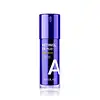
This anti-aging serum is formulated around Retinol and Madecassoside to soften the look of wrinkles and refine skin texture.
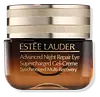
This barrier-repair eye moisturizer is formulated around Bifida Ferment Lysate and Caffeine to strengthen the skin barrier and soften the look of wrinkles.

What's inside
What's inside
 Key Ingredients
Benefits
Concerns
Ingredients Side-by-side
Water
Skin ConditioningButylene Glycol
Humectant

Propanediol
Solvent
Fucose
Skin ConditioningDimethicone
Emollient

Brassica Campestris Sterols
EmollientCetearyl Alcohol
Emollient






Glyceryl Citrate/Lactate/Linoleate/Oleate
Emulsifying
Diphenylsiloxy Phenyl Trimethicone
Skin Conditioning
Acetamidoethoxyethanol
Humectant
Glycerin
Humectant
Polysorbate 20
Emulsifying
Retinol
Skin Conditioning








1,2-Hexanediol
Skin Conditioning
Hydroxyacetophenone
Antioxidant
Sodium Polyacryloyldimethyl Taurate
Emulsion StabilisingHydrogenated Polydecene
EmollientAcrylates/C10-30 Alkyl Acrylate Crosspolymer
Emulsion StabilisingArginine
Masking
Vinyl Dimethicone/Lauryl Dimethicone Crosspolymer
Surfactant
Madecassoside
Antioxidant

Prunus Persica Extract
CleansingTocopheryl Acetate
Antioxidant
Disodium EDTA
O-Cymen-5-Ol
Antimicrobial
Asiaticoside
Antioxidant
Glyceryl Glucoside
Humectant
BHT
Antioxidant
Trideceth-10
CleansingCentella Asiatica Leaf Extract
Skin Conditioning
BHA
Antioxidant
Sodium Hyaluronate
Humectant
Ethoxydiglycol
HumectantHydrolyzed Yeast Extract
Skin ConditioningDipeptide Diaminobutyroyl Benzylamide Diacetate
Skin Conditioning
Silica
Abrasive
Ethylhexylglycerin
Skin ConditioningPPG-3 Benzyl Ether Myristate
EmollientLactobacillus/Collagen Ferment Filtrate
Humectant
Pei-10
Cetyl Hydroxyethylcellulose
Emulsion StabilisingLauryl Laurate
Skin Conditioning
Zea Mays Starch
Absorbent
Hydrolyzed Corn Starch
HumectantHydrolyzed Corn Starch Octenylsuccinate
AbsorbentPolyglucuronic Acid
Skin ConditioningSodium Benzoate
Masking
Potassium Sorbate
Preservative
Caprylyl Glycol
Emollient
Lecithin
Emollient
Hexapeptide-9
Skin Conditioning
Tripeptide-29
Skin Conditioning
Tripeptide-1
Skin Conditioning
Acetyl Hexapeptide-8
Humectant
Water, Butylene Glycol, Propanediol, Fucose, Dimethicone, Brassica Campestris Sterols, Cetearyl Alcohol, Glyceryl Citrate/Lactate/Linoleate/Oleate, Diphenylsiloxy Phenyl Trimethicone, Acetamidoethoxyethanol, Glycerin, Polysorbate 20, Retinol, 1,2-Hexanediol, Hydroxyacetophenone, Sodium Polyacryloyldimethyl Taurate, Hydrogenated Polydecene, Acrylates/C10-30 Alkyl Acrylate Crosspolymer, Arginine, Vinyl Dimethicone/Lauryl Dimethicone Crosspolymer, Madecassoside, Prunus Persica Extract, Tocopheryl Acetate, Disodium EDTA, O-Cymen-5-Ol, Asiaticoside, Glyceryl Glucoside, BHT, Trideceth-10, Centella Asiatica Leaf Extract, BHA, Sodium Hyaluronate, Ethoxydiglycol, Hydrolyzed Yeast Extract, Dipeptide Diaminobutyroyl Benzylamide Diacetate, Silica, Ethylhexylglycerin, PPG-3 Benzyl Ether Myristate, Lactobacillus/Collagen Ferment Filtrate, Pei-10, Cetyl Hydroxyethylcellulose, Lauryl Laurate, Zea Mays Starch, Hydrolyzed Corn Starch, Hydrolyzed Corn Starch Octenylsuccinate, Polyglucuronic Acid, Sodium Benzoate, Potassium Sorbate, Caprylyl Glycol, Lecithin, Hexapeptide-9, Tripeptide-29, Tripeptide-1, Acetyl Hexapeptide-8
Water
Skin ConditioningDimethicone
Emollient
Methyl Trimethicone
Skin Conditioning
Bifida Ferment Lysate
Skin Conditioning
Dimethicone/Vinyl Dimethicone Crosspolymer
Skin Conditioning
Propanediol
Solvent
Petrolatum
Emollient
Sucrose
Humectant
Glycerin
Humectant
Butylene Glycol
Humectant
Acrylamide/Sodium Acryloyldimethyltaurate Copolymer
Emulsion StabilisingTrehalose
Humectant
Tripeptide-32
Skin Conditioning
Adansonia Digitata Seed Extract
Skin ConditioningLavandula Angustifolia Flower Extract
Cleansing
Sodium Hyaluronate
Humectant
Lactobacillus Ferment
Skin Conditioning
Tocopheryl Acetate
Antioxidant
Faex Extract
Skin ConditioningHypnea Musciformis Extract
Skin Protecting
Sodium Rna
Skin ConditioningCaffeine
Skin Conditioning
Squalane
Emollient
Anthemis Nobilis Flower Oil
Masking

Poria Cocos Sclerotium Extract
AstringentCitrullus Lanatus Fruit Extract
Skin Conditioning
Lens Esculenta Fruit Extract
Skin ConditioningPyrus Malus Fruit Extract
Skin Conditioning
Ethylhexylglycerin
Skin ConditioningSodium PCA
Humectant
Phytosphingosine
Skin Conditioning
Hydrolyzed Algin
Hordeum Distichon Extract
Skin ProtectingJojoba Esters
Emollient
Triticum Vulgare Germ Oil
Emollient
Hydrogenated Lecithin
Emulsifying
Lecithin
Emollient
Isohexadecane
EmollientJojoba Alcohol
Emollient
Isopropyl Jojobate
EmollientPEG/PPG-18/18 Dimethicone
Emulsifying
Polysorbate 80
Emulsifying
Acrylates/C10-30 Alkyl Acrylate Crosspolymer
Emulsion StabilisingTromethamine
BufferingSorbitan Oleate
Emulsifying
Sodium Lactate
Buffering
Polysorbate 40
Emulsifying
Potassium Gluconate
Skin ProtectingTocopherol
Antioxidant
BHT
Antioxidant
Phenoxyethanol
Preservative
Potassium Sorbate
Preservative
Sodium Benzoate
Masking
CI 77491
Cosmetic ColorantCI 77492
Cosmetic ColorantWater, Dimethicone, Methyl Trimethicone, Bifida Ferment Lysate, Dimethicone/Vinyl Dimethicone Crosspolymer, Propanediol, Petrolatum, Sucrose, Glycerin, Butylene Glycol, Acrylamide/Sodium Acryloyldimethyltaurate Copolymer, Trehalose, Tripeptide-32, Adansonia Digitata Seed Extract, Lavandula Angustifolia Flower Extract, Sodium Hyaluronate, Lactobacillus Ferment, Tocopheryl Acetate, Faex Extract, Hypnea Musciformis Extract, Sodium Rna, Caffeine, Squalane, Anthemis Nobilis Flower Oil, Poria Cocos Sclerotium Extract, Citrullus Lanatus Fruit Extract, Lens Esculenta Fruit Extract, Pyrus Malus Fruit Extract, Ethylhexylglycerin, Sodium PCA, Phytosphingosine, Hydrolyzed Algin, Hordeum Distichon Extract, Jojoba Esters, Triticum Vulgare Germ Oil, Hydrogenated Lecithin, Lecithin, Isohexadecane, Jojoba Alcohol, Isopropyl Jojobate, PEG/PPG-18/18 Dimethicone, Polysorbate 80, Acrylates/C10-30 Alkyl Acrylate Crosspolymer, Tromethamine, Sorbitan Oleate, Sodium Lactate, Polysorbate 40, Potassium Gluconate, Tocopherol, BHT, Phenoxyethanol, Potassium Sorbate, Sodium Benzoate, CI 77491, CI 77492
Reviews
Ingredients Explained
These ingredients are found in both products.
Ingredients higher up in an ingredient list are typically present in a larger amount.
Acrylates/C10-30 Alkyl Acrylate Crosspolymer is a synthetic polymer. It is used to thicken, emulsify, and improve the texture of products.
As an emulsifier, it helps stabilize oil-in-water emulsions to give products an elegant feel when applied.
It can also form a thin protective film on skin. One study found that a formula using this polymer helped slow down how quickly other ingredients (like DEET) were absorbed through skin.
A 2024 study of over 1,300 patients confirmed that sensitization to this ingredient is rare. It is also non-mutagenic and has a clean track record.
Learn more about Acrylates/C10-30 Alkyl Acrylate CrosspolymerBHT is a synthetic antioxidant and preservative.
As an antioxidant, it helps your body fight off free-radicals. Free-radicals are molecules that may damage your skin cells.
As a preservative, it is used to stabilize products and prevent them from degrading. Specifically, BHT prevents degradation from oxidation.
The concerns related to BHT come from oral studies; this ingredient is currently allowed for use by both the FDA and EU.
However, it was recently restricted for use in the UK as of April 2024.
Learn more about BHTButylene Glycol (or BG) is used within cosmetic products for a few different reasons:
Overall, Butylene Glycol is a safe and well-rounded ingredient that works well with other ingredients.
Though this ingredient works well with most skin types, some people with sensitive skin may experience a reaction such as allergic rashes, closed comedones, or itchiness.
Learn more about Butylene GlycolDimethicone is a type of synthetic silicone created from natural materials such as quartz. It is also known as polydimethylsiloxane.
What it does:
Dimethicone comes in different viscosities:
Depending on the viscosity, dimethicone has different properties.
Ingredients lists don't always show which type is used, so we recommend reaching out to the brand if you have questions about the viscosity.
This ingredient is unlikely to cause irritation because it does not get absorbed into skin. However, people with silicone allergies should be careful about using this ingredient.
Note: Dimethicone may contribute to pilling. This is because it is not oil or water soluble, so pilling may occur when layered with products. When mixed with heavy oils in a formula, the outcome is also quite greasy.
Learn more about DimethiconeEthylhexylglycerin is created from glycerin. It is a multitasker ingredient that:
The CIR Expert Panel found minimal skin absorption or sensitization of any kind in a safety assessment. Though this ingredient is considered well-tolerated, a small number of cases of allergic dermatitis have been published since 2002. Just be sure to patch test if you are unsure.
Industry-reported use ranges from 8% in rinse-off products and 2% in leave-on formulations.
Learn more about EthylhexylglycerinGlycerin (or glycerol) is a compound naturally found in your skin. It's a powerhouse humectant that pulls water into the stratum corneum.
Topically, glycerin does several things at once:
Your skin makes glycerin on its own (mostly from sebaceous oil breakdown) and shuttles it to your outermost layer of skin, or your epidermis, via aquaporin-3.
Aquaporin-3 is a transporter that is essential for normal skin hydration, elasticity, and repair. Interestingly, mice lacking in AQP3 have dry and less elastic skin that can be fully corrected with glycerin.
This ingredient is non-irritating, plays well with almost every ingredient, and works across all skin types. Typical use is anywhere between 3-10% but can go up to 79% in some leave-on products.
Just know very high concentrations (>40%) can feel tacky in low humidity.
Glycerin is the name for this ingredient in American English. British English uses Glycerol/Glycerine.
Learn more about GlycerinLecithin is a term for a group of substances found in the cell membranes of plants, animals, and humans. They are made up of phospholipids.
Thanks to its amphiphilic structure (water-loving head and oil-loving tail), it is a true multitasker:
It plays well with most ingredients and is typically used at 0.1-1%. However, concentrations up to 50% have been reported in moisturizers.
Learn more about LecithinPotassium Sorbate is a preservative used to prevent yeast and mold in products. It is commonly found in both cosmetic and food products.
This ingredient comes from potassium salt derived from sorbic acid. Sorbic acid is a natural antibiotic and effective against fungus.
Both potassium sorbate and sorbic acid can be found in baked goods, cheeses, dried meats, dried fruit, ice cream, pickles, wine, yogurt, and more.
You'll often find this ingredient used with other preservatives.
Learn more about Potassium SorbatePropanediol is an all-star ingredient. It softens, hydrates, and smooths the skin.
It’s often used to:
Propanediol is not likely to cause sensitivity and considered safe to use. It is derived from corn or petroleum with a clear color and no scent.
Learn more about PropanediolSodium Benzoate is a preservative. It's used in both cosmetic and food products to inhibit the growth of mold and bacteria. It is typically produced synthetically.
Both the US FDA and EU Health Committee have approved the use of sodium benzoate. In the US, levels of 0.1% (of the total product) are allowed.
Sodium benzoate works as a preservative by inhibiting the growth of bacteria inside of cells. It prevents the cell from fermenting a type of sugar using an enzyme called phosphofructokinase.
It is the salt of benzoic acid. Foods containing sodium benzoate include soda, salad dressings, condiments, fruit juices, wines, and snack foods.
Studies for using ascorbic acid and sodium benzoate in cosmetics are lacking, especially in skincare routines with multiple steps.
We always recommend speaking with a professional, such as a dermatologist, if you have any concerns.
Learn more about Sodium BenzoateSodium Hyaluronate is the salt form of hyaluronic acid. It is a long sugar chain that is naturally found in your skin, joints, and connective tissue that maintains hydration and elasticity.
In skincare, it works as a humectant. It pulls water from the environment and deeper layers of skin and binds it to the surface.
Interestingly, the size of the molecule affects its behavior:
Some clinical evidence links low molecular weight versions to improved wrinkle depth, elasticity, anti-inflammatory effects, and barrier repair.
Many serums use a blend of both weights so you can get surface hydration plus longer-lasting and deeper effects.
You'll typically see concentrations between 0.1-2% for this ingredient.
Learn more about Sodium HyaluronateTocopheryl Acetate is a stable, shelf-friendly form of vitamin E.
Formulators love it because plain vitamin E oxidizes quickly once it hits air. This acetate version stays stable and resists going off, helping to extend a product's shelf life.
It's actually inactive on its own and works like a slow-release "storage" form; the enzymes in your skin called esterases gradually convert it into active vitamin E over time.
One in vivo study showed 5% of the acetate in the living layer of the epidermis converted to vitamin E after 5 days of application. This study also found the skin gained protection against UV damage even though the conversion was slow and small.
Once converted, vitamin E acts as a skin's main fat-soluble antioxidant that fights free radicals to protect skin from damage.
Topical vitamin E generally boosts the skin's photoprotection, and it reduced UV-damage in animal models.
This ingredient has some brightening potential but it's more of a prevention ingredient than spot-fader. Cell studies show it can slow down melanin production but it's worth noting that it's not the most powerful brightener out there.
Overall, it has a pretty solid safety profile and has been found to be non-irritating and non-comedogenic. Allergic reactions may happen but stay rare due to how widely the ingredient gets used.
The concentration will vary depending on the formula; industry data shows 0.1% in baby lotions, 3% in lipsticks, and 5% in foot powders. You can also find this ingredient at 100% in a pure vitamin E oil.
Most leave-on skincare keeps it at the lower end, often between 0.5-1%.
Learn more about Tocopheryl AcetateWater. It's the most common cosmetic ingredient of all. You'll usually see it at the top of ingredient lists, meaning that it makes up the largest part of the product.
So why is it so popular? Water most often acts as a solvent - this means that it helps dissolve other ingredients into the formulation.
You'll also recognize water as that liquid we all need to stay alive. If you see this, drink a glass of water. Remember to stay hydrated!
Learn more about Water

