

What's inside
What's inside
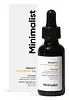 Key Ingredients
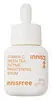
Benefits
Concerns
No concerns
Ingredients Side-by-side
Centella Asiatica Leaf Water
Skin Conditioning


3-O-Ethyl Ascorbic Acid
Skin Conditioning




Ethoxydiglycol
HumectantDimethyl Isosorbide
SolventGluconolactone
Skin Conditioning



Glycerin
Humectant
Sodium Gluconate
Skin ConditioningAcetyl Glucosamine
Skin Conditioning
Sodium Hyaluronate
Humectant
Pullulan
Hydroxyethylcellulose
Emulsion StabilisingXanthan Gum
EmulsifyingSclerotium Gum
Emulsion StabilisingPhenoxyethanol
Preservative
Ethylhexylglycerin
Skin ConditioningLecithin
Emollient
Lactic Acid
Buffering


Citric Acid
Buffering
Centella Asiatica Leaf Water, 3-O-Ethyl Ascorbic Acid, Ethoxydiglycol, Dimethyl Isosorbide, Gluconolactone, Glycerin, Sodium Gluconate, Acetyl Glucosamine, Sodium Hyaluronate, Pullulan, Hydroxyethylcellulose, Xanthan Gum, Sclerotium Gum, Phenoxyethanol, Ethylhexylglycerin, Lecithin, Lactic Acid, Citric Acid
Water
Skin ConditioningPropanediol
Solvent
Glycerin
Humectant
1,2-Hexanediol
Skin Conditioning
3-O-Ethyl Ascorbic Acid
Skin Conditioning
Betaine
Humectant
Erythritol
Humectant
Butylene Glycol
Humectant
Lactobacillus Ferment Lysate
Skin Conditioning
Squalane
Emollient
Helianthus Annuus Seed Oil
Emollient

Acrylates/C10-30 Alkyl Acrylate Crosspolymer
Emulsion StabilisingDextrin
AbsorbentXanthan Gum
EmulsifyingTromethamine
BufferingGluconolactone
Skin Conditioning
Pyrus Malus Peel Extract
Antioxidant
Panthenol
Skin Conditioning
Carnosine
Skin Conditioning
Niacinamide
Smoothing
Allantoin
Skin Conditioning
Hyaluronic Acid
Humectant
Caprylic/Capric Triglyceride
Masking
Hydrolyzed Carrot Extract
Skin ConditioningPentylene Glycol
Skin Conditioning
Sodium Metaphosphate
BufferingSilica Dimethyl Silylate
EmollientTocopherol
Antioxidant
Ethylhexylglycerin
Skin ConditioningCyclodextrin
AbsorbentMadecassoside
Antioxidant
Ascorbyl Tetraisopalmitate
Antioxidant
Salix Alba Bark Extract
Astringent
Dipotassium Glycyrrhizate
Humectant
Protease
Exfoliating
Tranexamic Acid
Astringent
Glutathione
Achillea Millefolium Extract
CleansingSodium Hyaluronate
Humectant
Beta-Carotene
Skin ConditioningFerulic Acid
Antimicrobial
Hydrolyzed Hyaluronic Acid
Humectant
Sodium Hyaluronate Crosspolymer
Humectant
Sodium Acetylated Hyaluronate
Humectant
Water, Propanediol, Glycerin, 1,2-Hexanediol, 3-O-Ethyl Ascorbic Acid, Betaine, Erythritol, Butylene Glycol, Lactobacillus Ferment Lysate, Squalane, Helianthus Annuus Seed Oil, Acrylates/C10-30 Alkyl Acrylate Crosspolymer, Dextrin, Xanthan Gum, Tromethamine, Gluconolactone, Pyrus Malus Peel Extract, Panthenol, Carnosine, Niacinamide, Allantoin, Hyaluronic Acid, Caprylic/Capric Triglyceride, Hydrolyzed Carrot Extract, Pentylene Glycol, Sodium Metaphosphate, Silica Dimethyl Silylate, Tocopherol, Ethylhexylglycerin, Cyclodextrin, Madecassoside, Ascorbyl Tetraisopalmitate, Salix Alba Bark Extract, Dipotassium Glycyrrhizate, Protease, Tranexamic Acid, Glutathione, Achillea Millefolium Extract, Sodium Hyaluronate, Beta-Carotene, Ferulic Acid, Hydrolyzed Hyaluronic Acid, Sodium Hyaluronate Crosspolymer, Sodium Acetylated Hyaluronate
Reviews
Ingredients Explained
These ingredients are found in both products.
Ingredients higher up in an ingredient list are typically present in a larger amount.
You might know this ingredient as Ethyl Ascorbic Acid, a more stable version of ascorbic acid.
Like other types of vitamin C, this ingredient has many benefits including reducing wrinkles, skin soothing, dark spot fading, and fighting against free radicals.
3-O-Ethyl Ascorbic Acid interferes with the process of skin darkening, helping to reduce hyperpigmentation. It also encourages the skin to produce more collagen.
Once applied, 3-O-Ethyl Ascorbic Acid is converted to Vitamin C deeper in the skin's layers. This process is slow but makes this ingredient more tolerable for skin.
The optimum pH range for this ingredient is 4 - 5.5
Learn more about 3-O-Ethyl Ascorbic AcidEthylhexylglycerin is created from glycerin. It is a multitasker ingredient that:
The CIR Expert Panel found minimal skin absorption or sensitization of any kind in a safety assessment. Though this ingredient is considered well-tolerated, a small number of cases of allergic dermatitis have been published since 2002. Just be sure to patch test if you are unsure.
Industry-reported use ranges from 8% in rinse-off products and 2% in leave-on formulations.
Learn more about EthylhexylglycerinGluconolactone is a PHA. PHAs are a great gentle alternative to traditional AHAs.
When applied, Gluconolactone has the same affect on skin as AHAs such as lactic acid. It helps dissolve the dead skin cells in the top layer of your skin. This improves texture and brightens the skin.
PHAs are more gentle than AHAs due to their larger structure. They do not penetrate as deeply as AHAs and take a longer time to dissolve dead cells. Studies show PHAs do not cause as much irritation.
Gluconolactone has some interesting properties:
In a 2004 study, Gluconolactone was found to prevent UV damage in mouse skin cells and has not been found to increase sun sensitivity. However, we still recommend wearing SPF daily.
This ingredient is is an created by reacting gluconic acid with an alcohol.
Learn more about GluconolactoneGlycerin (or glycerol) is a compound naturally found in your skin. It's a powerhouse humectant that pulls water into the stratum corneum.
Topically, glycerin does several things at once:
Your skin makes glycerin on its own (mostly from sebaceous oil breakdown) and shuttles it to your outermost layer of skin, or your epidermis, via aquaporin-3.
Aquaporin-3 is a transporter that is essential for normal skin hydration, elasticity, and repair. Interestingly, mice lacking in AQP3 have dry and less elastic skin that can be fully corrected with glycerin.
This ingredient is non-irritating, plays well with almost every ingredient, and works across all skin types. Typical use is anywhere between 3-10% but can go up to 79% in some leave-on products.
Just know very high concentrations (>40%) can feel tacky in low humidity.
Glycerin is the name for this ingredient in American English. British English uses Glycerol/Glycerine.
Learn more about GlycerinSodium Hyaluronate is the salt form of hyaluronic acid. It is a long sugar chain that is naturally found in your skin, joints, and connective tissue that maintains hydration and elasticity.
In skincare, it works as a humectant. It pulls water from the environment and deeper layers of skin and binds it to the surface.
Interestingly, the size of the molecule affects its behavior:
Some clinical evidence links low molecular weight versions to improved wrinkle depth, elasticity, anti-inflammatory effects, and barrier repair.
Many serums use a blend of both weights so you can get surface hydration plus longer-lasting and deeper effects.
You'll typically see concentrations between 0.1-2% for this ingredient.
Learn more about Sodium HyaluronateXanthan gum is used as a stabilizer and thickener within cosmetic products. It helps give products a sticky, thick feeling - preventing them from being too runny.
On the technical side of things, xanthan gum is a polysaccharide - a combination consisting of multiple sugar molecules bonded together.
Xanthan gum is a pretty common and great ingredient. It is a natural, non-toxic, non-irritating ingredient that is also commonly used in food products.
Learn more about Xanthan Gum
