

What's inside
What's inside
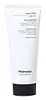 Key Ingredients
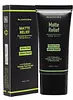
Benefits
Concerns
Ingredients Side-by-side
Water
Skin ConditioningEthylhexyl Methoxycinnamate
UV Absorber


Diethylamino Hydroxybenzoyl Hexyl Benzoate
UV Filter
Dimethicone
Emollient

Ethoxydiglycol
HumectantMethylene Bis-Benzotriazolyl Tetramethylbutylphenol
UV Filter
Propylene Glycol Dicaprylate/Dicaprate
EmollientDiisopropyl Sebacate
EmollientDiisopropyl Adipate
EmollientC12-15 Alkyl Benzoate
AntimicrobialButylene Glycol
Humectant

Phenoxyethanol
Preservative
Vp/Eicosene Copolymer
Isododecane
EmollientPentylene Glycol
Skin Conditioning
Potassium Cetyl Phosphate
EmulsifyingAcrylates/Polytrimethylsiloxymethacrylate Copolymer
Skin ConditioningDecyl Glucoside
Cleansing
Triethanolamine
BufferingCarbomer
Emulsion StabilisingAcrylates/C10-30 Alkyl Acrylate Crosspolymer
Emulsion StabilisingPolyacrylate Crosspolymer-6
Emulsion StabilisingEthylhexylglycerin
Skin ConditioningTrisodium Ethylenediamine Disuccinate
Propylene Glycol
Humectant

Cyclopentasiloxane
Emollient
Dimethicone Crosspolymer
Emulsion Stabilising
Caprylyl Methicone
Skin Conditioning
PEG-12 Dimethicone/PPG-20 Crosspolymer
Polymethylsilsesquioxane
Xanthan Gum
EmulsifyingWater, Ethylhexyl Methoxycinnamate, Diethylamino Hydroxybenzoyl Hexyl Benzoate, Dimethicone, Ethoxydiglycol, Methylene Bis-Benzotriazolyl Tetramethylbutylphenol, Propylene Glycol Dicaprylate/Dicaprate, Diisopropyl Sebacate, Diisopropyl Adipate, C12-15 Alkyl Benzoate, Butylene Glycol, Phenoxyethanol, Vp/Eicosene Copolymer, Isododecane, Pentylene Glycol, Potassium Cetyl Phosphate, Acrylates/Polytrimethylsiloxymethacrylate Copolymer, Decyl Glucoside, Triethanolamine, Carbomer, Acrylates/C10-30 Alkyl Acrylate Crosspolymer, Polyacrylate Crosspolymer-6, Ethylhexylglycerin, Trisodium Ethylenediamine Disuccinate, Propylene Glycol, Cyclopentasiloxane, Dimethicone Crosspolymer, Caprylyl Methicone, PEG-12 Dimethicone/PPG-20 Crosspolymer, Polymethylsilsesquioxane, Xanthan Gum
Water
Skin ConditioningTitanium Dioxide
Cosmetic Colorant
Zinc Oxide
Cosmetic Colorant
Glycerin
Humectant
Isononyl Isononanoate
EmollientPEG-10 Dimethicone
Skin Conditioning
Butylene Glycol
Humectant
Phenyl Trimethicone
Skin Conditioning
Sodium Hyaluronate
Humectant


Punica Granatum Extract
AstringentTriethoxycaprylylsilane
Terminalia Ferdinandiana Fruit Extract
Antioxidant
Niacinamide
Smoothing






Dimethicone
Emollient
Aluminum Hydroxide
EmollientStearic Acid
Cleansing

Olive Oil Polyglyceryl-6 Esters
Emollient
Polyglyceryl-6 Pentaoleate
Emulsifying
Magnesium Sulfate
Camellia Sinensis Leaf Extract
Antimicrobial
Inulin
Skin Conditioning
Phenoxyethanol
Preservative
Squalane
Emollient
Chamomilla Recutita Flower Extract
Masking
PEG-10 Dimethicone/Vinyl Dimethicone Crosspolymer
Stabilising
Polyacrylamide
C13-14 Isoparaffin
Emollient
Laureth-7
EmulsifyingAlpha-Glucan Oligosaccharide
Cleansing
Polymethylsilsesquioxane
Ethylhexylglycerin
Skin ConditioningPotassium Sorbate
Preservative
Sodium Benzoate
Masking
Water, Titanium Dioxide, Zinc Oxide, Glycerin, Isononyl Isononanoate, PEG-10 Dimethicone, Butylene Glycol, Phenyl Trimethicone, Sodium Hyaluronate, Punica Granatum Extract, Triethoxycaprylylsilane, Terminalia Ferdinandiana Fruit Extract, Niacinamide, Dimethicone, Aluminum Hydroxide, Stearic Acid, Olive Oil Polyglyceryl-6 Esters, Polyglyceryl-6 Pentaoleate, Magnesium Sulfate, Camellia Sinensis Leaf Extract, Inulin, Phenoxyethanol, Squalane, Chamomilla Recutita Flower Extract, PEG-10 Dimethicone/Vinyl Dimethicone Crosspolymer, Polyacrylamide, C13-14 Isoparaffin, Laureth-7, Alpha-Glucan Oligosaccharide, Polymethylsilsesquioxane, Ethylhexylglycerin, Potassium Sorbate, Sodium Benzoate
Reviews
Ingredients Explained
These ingredients are found in both products.
Ingredients higher up in an ingredient list are typically present in a larger amount.
Butylene Glycol (or BG) is used within cosmetic products for a few different reasons:
Overall, Butylene Glycol is a safe and well-rounded ingredient that works well with other ingredients.
Though this ingredient works well with most skin types, some people with sensitive skin may experience a reaction such as allergic rashes, closed comedones, or itchiness.
Learn more about Butylene GlycolDimethicone is a type of synthetic silicone created from natural materials such as quartz. It is also known as polydimethylsiloxane.
What it does:
Dimethicone comes in different viscosities:
Depending on the viscosity, dimethicone has different properties.
Ingredients lists don't always show which type is used, so we recommend reaching out to the brand if you have questions about the viscosity.
This ingredient is unlikely to cause irritation because it does not get absorbed into skin. However, people with silicone allergies should be careful about using this ingredient.
Note: Dimethicone may contribute to pilling. This is because it is not oil or water soluble, so pilling may occur when layered with products. When mixed with heavy oils in a formula, the outcome is also quite greasy.
Learn more about DimethiconeEthylhexylglycerin is created from glycerin. It is a multitasker ingredient that:
The CIR Expert Panel found minimal skin absorption or sensitization of any kind in a safety assessment. Though this ingredient is considered well-tolerated, a small number of cases of allergic dermatitis have been published since 2002. Just be sure to patch test if you are unsure.
Industry-reported use ranges from 8% in rinse-off products and 2% in leave-on formulations.
Learn more about EthylhexylglycerinPhenoxyethanol is a preservative that has germicide, antimicrobial, and aromatic properties. Studies show that phenoxyethanol can prevent microbial growth. By itself, it has a scent that is similar to that of a rose.
It's often used in formulations along with Caprylyl Glycol to preserve the shelf life of products.
Polymethylsilsesquioxane is a silicone used as a film forming agent.
When applied to the skin, this ingredient creates an invisible film on the surface. This film still allows oxygen to pass through, but prevents moisture from escaping. This can help condition and hydrate the skin. It also leaves a silky feel when applied.
Polymethylsilsesquioxane has not been shown to clog pores. It has been deemed safe to use up to 55%, but most cosmetics use much less.
If you have concerns about using this ingredient, we recommend speaking with a professional.
Learn more about PolymethylsilsesquioxaneWater. It's the most common cosmetic ingredient of all. You'll usually see it at the top of ingredient lists, meaning that it makes up the largest part of the product.
So why is it so popular? Water most often acts as a solvent - this means that it helps dissolve other ingredients into the formulation.
You'll also recognize water as that liquid we all need to stay alive. If you see this, drink a glass of water. Remember to stay hydrated!
Learn more about Water
