
What's inside
What's inside
 Key Ingredients
No key ingredients
Benefits
Concerns
Ingredients Side-by-side
Water
Skin ConditioningBehentrimonium Methosulfate
SurfactantCetearyl Alcohol
Emollient






Cetyl Esters
Emollient
Orbignya Oleifera Seed Oil
Emollient

Pyrus Malus Fruit Extract
Skin Conditioning
Glycerin
Humectant

Sodium PCA
Humectant
Sodium Lactate
Buffering
Arginine
Masking
Aspartic Acid
Masking
Glycine
Buffering
Alanine
Masking
Serine
Masking
Valine
MaskingProline
Skin Conditioning
Threonine
Isoleucine
Skin ConditioningHistidine
Humectant
Phenylalanine
Masking
Euterpe Oleracea Fruit Oil
Skin Conditioning
Pentaclethra Macroloba Seed Oil
Emollient
Rosmarinus Officinalis Leaf Extract
AntimicrobialHelianthus Annuus Seed Oil
Emollient
Lavandula Angustifolia Oil
Masking



Pelargonium Graveolens Flower Oil
Masking
Salvia Officinalis Oil
Masking
Mentha Piperita Oil
Masking
Citrus Paradisi Peel Oil
Masking
Litsea Cubeba Fruit Oil
Masking
Mentha Viridis Leaf Oil
Astringent
Isoamyl Laurate
Emollient
Dehydroacetic Acid
Preservative
Benzyl Alcohol
Perfuming

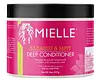
Water, Behentrimonium Methosulfate, Cetearyl Alcohol, Cetyl Esters, Orbignya Oleifera Seed Oil, Pyrus Malus Fruit Extract, Glycerin, Sodium PCA, Sodium Lactate, Arginine, Aspartic Acid, Glycine, Alanine, Serine, Valine, Proline, Threonine, Isoleucine, Histidine, Phenylalanine, Euterpe Oleracea Fruit Oil, Pentaclethra Macroloba Seed Oil, Rosmarinus Officinalis Leaf Extract, Helianthus Annuus Seed Oil, Lavandula Angustifolia Oil, Pelargonium Graveolens Flower Oil, Salvia Officinalis Oil, Mentha Piperita Oil, Citrus Paradisi Peel Oil, Litsea Cubeba Fruit Oil, Mentha Viridis Leaf Oil, Isoamyl Laurate, Dehydroacetic Acid, Benzyl Alcohol
Vitis Vinifera Seed Oil
Emollient
Glycine Soja Oil
Emollient
Prunus Amygdalus Dulcis Oil
Skin Conditioning
Ricinus Communis Seed Oil
Masking
Simmondsia Chinensis Seed Oil
Emollient
Mentha Piperita Oil
Masking
Rosmarinus Officinalis Leaf Oil
Masking
Eucalyptus Globulus Leaf Oil
Perfuming
Menthol
Masking
Melaleuca Alternifolia Leaf Oil
Antioxidant


Rosmarinus Officinalis Leaf Extract
AntimicrobialHelianthus Annuus Seed Oil
Emollient
Lavandula Angustifolia Oil
Masking
Triticum Vulgare Germ Oil
Emollient
Cocos Nucifera Oil
Masking
Carthamus Tinctorius Seed Oil
Masking
Aloe Barbadensis Leaf Extract
Emollient
Oenothera Biennis Oil
Emollient
Oryza Sativa Bran Oil
Emollient
Tocopheryl Acetate
Antioxidant

Benzyl Nicotinate
Skin ConditioningBiotin
AntiseborrhoeicPogostemon Cablin Leaf Oil
Masking
Ocimum Americanum Leaf Oil
Masking
Salvia Officinalis Oil
Masking
Apium Graveolens Extract
Skin ConditioningEquisetum Arvense Extract
AstringentArctium Lappa Root Extract
Skin Conditioning
Urtica Dioica Extract
AstringentSilica
Abrasive

Glycerin
Humectant
Ascorbic Acid
Antioxidant

Cholecalciferol
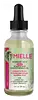
Vitis Vinifera Seed Oil, Glycine Soja Oil, Prunus Amygdalus Dulcis Oil, Ricinus Communis Seed Oil, Simmondsia Chinensis Seed Oil, Mentha Piperita Oil, Rosmarinus Officinalis Leaf Oil, Eucalyptus Globulus Leaf Oil, Menthol, Melaleuca Alternifolia Leaf Oil, Rosmarinus Officinalis Leaf Extract, Helianthus Annuus Seed Oil, Lavandula Angustifolia Oil, Triticum Vulgare Germ Oil, Cocos Nucifera Oil, Carthamus Tinctorius Seed Oil, Aloe Barbadensis Leaf Extract, Oenothera Biennis Oil, Oryza Sativa Bran Oil, Tocopheryl Acetate, Benzyl Nicotinate, Biotin, Pogostemon Cablin Leaf Oil, Ocimum Americanum Leaf Oil, Salvia Officinalis Oil, Apium Graveolens Extract, Equisetum Arvense Extract, Arctium Lappa Root Extract, Urtica Dioica Extract, Silica, Glycerin, Ascorbic Acid, Cholecalciferol
Ingredients Explained
These ingredients are found in both products.
Ingredients higher up in an ingredient list are typically present in a larger amount.
Glycerin (or glycerol) is a compound naturally found in your skin. It's a powerhouse humectant that pulls water into the stratum corneum.
Topically, glycerin does several things at once:
Your skin makes glycerin on its own (mostly from sebaceous oil breakdown) and shuttles it to your outermost layer of skin, or your epidermis, via aquaporin-3.
Aquaporin-3 is a transporter that is essential for normal skin hydration, elasticity, and repair. Interestingly, mice lacking in AQP3 have dry and less elastic skin that can be fully corrected with glycerin.
This ingredient is non-irritating, plays well with almost every ingredient, and works across all skin types. Typical use is anywhere between 3-10% but can go up to 79% in some leave-on products.
Just know very high concentrations (>40%) can feel tacky in low humidity.
Glycerin is the name for this ingredient in American English. British English uses Glycerol/Glycerine.
Learn more about GlycerinHelianthus Annuus Seed Oil is a plant oil derived from the seeds of a sunflower.
It is rich in fatty acids, primarily linoleic acid and oleic acid. This gives it emollient and skin conditioning properties.
The reason this ingredient is so effective is because it forms a thin film on the skin that reduces transepidermal water loss (TEWL) while supplying linoleic acid to the stratum corneum to improve barrier strength.
The high linoleic acid content is particularly noteworthy for acne-prone skin.
Research suggests that acne-prone skin tends to be deficient in linoleic acid in sebum. Topical application may help replenish this to support a healthier follicular environment and less comedone-promoting sebum.
One randomized study found sunflower seed oil preserved skin barrier integrity in adult volunteers with and without atopic dermatitis (outperforming olive oil).
This ingredient is well-studied, gentle, and an effective emollient suitable for most skin types.
On fungal acne: This ingredient may not be Fungal acne (Malassezia folliculitis) safe. This is because it contains fatty acids with carbon chain lengths in the C11-C24 range.
Learn more about Helianthus Annuus Seed OilLavandula Angustifolia Oil is more commonly known as lavender essential oil. It is considered a fragrancing ingredient.
Lavender imparts a famous scent. While the smell is lovely, this ingredient and may sensitize skin in topical products. This is because about 85% of the oil is made up of linalool and linalyl acetate.
When exposed to air, these two compounds become strong allergens. This ingredient exhibits cytotoxicity at low concentrations; amounts of 0.25% have been shown to damage skin cells.
A study from Japan found this ingredient caused lavender sensitivity after widespread exposure.
Lavender essential oil has some antimicrobial, antibacterial, and anti-inflammatory properties. However, the cons of this ingredient may outweight the pros.
More research is needed to confirm lavender essential oil's effects when used in aromatherapy.
Lavandula Angustifolia is known as the English Lavender and famous for creating purple fields in Provence, France.
Learn more about Lavandula Angustifolia OilThis essential oil is steam-distilled from peppermint leaves, also known as peppermint oil. It's mainly used for scent in skincare but also provides that signature "cooling" sensation.
Peppermint oil is a "feels amazing" ingredient until it doesn't.
At higher doses or for those with sensitive skin, methol-type cooling can quickly turn into burning/irritation. It can also trigger irritant dermatitis or even allergic contact dermatitis. In a large patch-test dataset, peppermint oil had a low but positive rate for this.
In cosmetics, Cosmetic Safety Reviews (CIR) concludes that peppermint oil is safe to use when formulated to be non-sensitizing with some restrictions; for instance, pulegone, a naturally occurring component of peppermint oil, should not exceed 1%.
Since peppermint oil contains fragrance allergens such as limonene, linalool, and menthol, it can be sensitizing for those with rosacea, eczema, a broken skin barrier, or just sensitive skin in general.
In Japan, this ingredient is known as Hakka Yu.
Learn more about Mentha Piperita OilThis is a botanical extract from the rosemary plant (the same one you cook with). In skincare, it mostly works as a skin conditioning agent.
Its activity comes from a handful of polyphenols, carnosic acid, carnosol, and rosmarinic acid. Almost 90% of the antioxidant activity of this ingredient can be attributed to canosol and carnosic acid.
These compounds protect your skin two ways:
1) They fight off free radicals, or the unstable molecules from things like sun and pollution that age and damage skin.
2) They help calm inflammation by switching off the chemical signals that tell skin to get red and irritated.
Lab studies also suggest that rosmarinic acid may help protect collagen and slow sugar-related damage to it.
The Cosmetic Ingredient Review has concluded rosemary-derived ingredients to be safe when formulated to be non-sensitizing.
Rosemary can occasionally cause allergic contact dermatitis (due to carnosol), so be sure to patch test if you have reactive or fragrance-sensitive skin.
Learn more about Rosmarinus Officinalis Leaf ExtractSalvia Officinalis Oil is an oil.


