
What's inside
What's inside
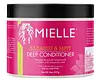 Key Ingredients
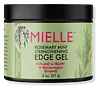
No key ingredients
Benefits
Concerns
Ingredients Side-by-side
Water
Skin ConditioningBehentrimonium Methosulfate
SurfactantCetearyl Alcohol
Emollient






Cetyl Esters
Emollient
Orbignya Oleifera Seed Oil
Emollient

Pyrus Malus Fruit Extract
Skin Conditioning
Glycerin
Humectant

Sodium PCA
Humectant
Sodium Lactate
Buffering
Arginine
Masking
Aspartic Acid
Masking
Glycine
Buffering
Alanine
Masking
Serine
Masking
Valine
MaskingProline
Skin Conditioning
Threonine
Isoleucine
Skin ConditioningHistidine
Humectant
Phenylalanine
Masking
Euterpe Oleracea Fruit Oil
Skin Conditioning
Pentaclethra Macroloba Seed Oil
Emollient
Rosmarinus Officinalis Leaf Extract
AntimicrobialHelianthus Annuus Seed Oil
Emollient
Lavandula Angustifolia Oil
Masking



Pelargonium Graveolens Flower Oil
Masking
Salvia Officinalis Oil
Masking
Mentha Piperita Oil
Masking
Citrus Paradisi Peel Oil
Masking
Litsea Cubeba Fruit Oil
Masking
Mentha Viridis Leaf Oil
Astringent
Isoamyl Laurate
Emollient
Dehydroacetic Acid
Preservative
Benzyl Alcohol
Perfuming

Water, Behentrimonium Methosulfate, Cetearyl Alcohol, Cetyl Esters, Orbignya Oleifera Seed Oil, Pyrus Malus Fruit Extract, Glycerin, Sodium PCA, Sodium Lactate, Arginine, Aspartic Acid, Glycine, Alanine, Serine, Valine, Proline, Threonine, Isoleucine, Histidine, Phenylalanine, Euterpe Oleracea Fruit Oil, Pentaclethra Macroloba Seed Oil, Rosmarinus Officinalis Leaf Extract, Helianthus Annuus Seed Oil, Lavandula Angustifolia Oil, Pelargonium Graveolens Flower Oil, Salvia Officinalis Oil, Mentha Piperita Oil, Citrus Paradisi Peel Oil, Litsea Cubeba Fruit Oil, Mentha Viridis Leaf Oil, Isoamyl Laurate, Dehydroacetic Acid, Benzyl Alcohol
Water
Skin ConditioningCeteareth-25
CleansingGlycerin
Humectant
PEG-7 Glyceryl Cocoate
Emulsifying
PEG-40 Hydrogenated Castor Oil
Emulsifying
Propylene Glycol
Humectant
Ethylhexylglycerin
Skin ConditioningOlea Europaea Fruit Oil
Masking
Mentha Piperita Oil
Masking
Rosmarinus Officinalis Leaf Oil
Masking
Equisetum Arvense Extract
AstringentOrbignya Oleifera Seed Oil
Emollient
Zingiber Officinale Root Oil
Masking
Cocos Nucifera Oil
Masking
Honey
Humectant
Biotin
AntiseborrhoeicLawsonia Inermis Extract
Antimicrobial
Rosmarinus Officinalis Extract
AntimicrobialHumulus Lupulus Extract
AntimicrobialUrtica Dioica Extract
AstringentPhenoxyethanol
Preservative
Anthemis Nobilis Flower Extract
Masking
Symphytum Officinale Callus Culture Extract
Skin ConditioningBenzoic Acid
Masking
Glycereth-2 Cocoate
Emulsifying
Parfum
Masking
Water, Ceteareth-25, Glycerin, PEG-7 Glyceryl Cocoate, PEG-40 Hydrogenated Castor Oil, Propylene Glycol, Ethylhexylglycerin, Olea Europaea Fruit Oil, Mentha Piperita Oil, Rosmarinus Officinalis Leaf Oil, Equisetum Arvense Extract, Orbignya Oleifera Seed Oil, Zingiber Officinale Root Oil, Cocos Nucifera Oil, Honey, Biotin, Lawsonia Inermis Extract, Rosmarinus Officinalis Extract, Humulus Lupulus Extract, Urtica Dioica Extract, Phenoxyethanol, Anthemis Nobilis Flower Extract, Symphytum Officinale Callus Culture Extract, Benzoic Acid, Glycereth-2 Cocoate, Parfum
Ingredients Explained
These ingredients are found in both products.
Ingredients higher up in an ingredient list are typically present in a larger amount.
Glycerin (or glycerol) is a compound naturally found in your skin. It's a powerhouse humectant that pulls water into the stratum corneum.
Topically, glycerin does several things at once:
Your skin makes glycerin on its own (mostly from sebaceous oil breakdown) and shuttles it to your outermost layer of skin, or your epidermis, via aquaporin-3.
Aquaporin-3 is a transporter that is essential for normal skin hydration, elasticity, and repair. Interestingly, mice lacking in AQP3 have dry and less elastic skin that can be fully corrected with glycerin.
This ingredient is non-irritating, plays well with almost every ingredient, and works across all skin types. Typical use is anywhere between 3-10% but can go up to 79% in some leave-on products.
Just know very high concentrations (>40%) can feel tacky in low humidity.
Glycerin is the name for this ingredient in American English. British English uses Glycerol/Glycerine.
Learn more about GlycerinThis essential oil is steam-distilled from peppermint leaves, also known as peppermint oil. It's mainly used for scent in skincare but also provides that signature "cooling" sensation.
Peppermint oil is a "feels amazing" ingredient until it doesn't.
At higher doses or for those with sensitive skin, methol-type cooling can quickly turn into burning/irritation. It can also trigger irritant dermatitis or even allergic contact dermatitis. In a large patch-test dataset, peppermint oil had a low but positive rate for this.
In cosmetics, Cosmetic Safety Reviews (CIR) concludes that peppermint oil is safe to use when formulated to be non-sensitizing with some restrictions; for instance, pulegone, a naturally occurring component of peppermint oil, should not exceed 1%.
Since peppermint oil contains fragrance allergens such as limonene, linalool, and menthol, it can be sensitizing for those with rosacea, eczema, a broken skin barrier, or just sensitive skin in general.
In Japan, this ingredient is known as Hakka Yu.
Learn more about Mentha Piperita OilOrbignya Oleifera Seed Oil is from the seed of the Babassu palm plant. This plant is native to Brazil.
Orbignya Oleifera Seed Oil contains many fatty acids with the most being lauric acid.
Like other plant oils, Orbignya Oleifera Seed Oil is hydrating and can help soften skin.
It is also an antioxidant. Antioxidants help fight off damage from free-radical molecules.
One study found this oil might contain anti-inflammatory properties, but more research is needed.
Learn more about Orbignya Oleifera Seed OilWater. It's the most common cosmetic ingredient of all. You'll usually see it at the top of ingredient lists, meaning that it makes up the largest part of the product.
So why is it so popular? Water most often acts as a solvent - this means that it helps dissolve other ingredients into the formulation.
You'll also recognize water as that liquid we all need to stay alive. If you see this, drink a glass of water. Remember to stay hydrated!
Learn more about Water

