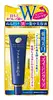
This brightening eye moisturizer is formulated around Tocopheryl Acetate to brighten dull-looking skin.
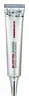
This anti-aging eye moisturizer is formulated around Acetyl Hexapeptide-8 to soften the look of wrinkles.


What's inside
What's inside
 Key Ingredients
Benefits
Concerns
Ingredients Side-by-side
Placental Extract
Tocopheryl Acetate
Antioxidant


Collagen
Moisturising

Hydrolyzed Collagen
Emollient
Coix Lacryma-Jobi Ma-Yuen Seed Extract
Skin ConditioningDiospyros Kaki Fruit Extract
Skin ConditioningPCA
Humectant
Malic Acid
Buffering





Oryza Sativa Bran Oil
Emollient



Glycosphingolipids
EmollientHydrogenated Lecithin
Emulsifying
Tocopherol
Antioxidant
Hydroxyproline
Skin ConditioningGlycerin
Humectant
Butylene Glycol
Humectant
Pentylene Glycol
Skin Conditioning
Polyglyceryl-2 Oleate
Emulsifying
Glyceryl Stearate Se
Emulsifying


Polyglyceryl-6 Stearate
Emollient
Ethylhexyl Palmitate
Emollient
Beeswax
Emulsion Stabilising
Dimethicone
Emollient
Stearic Acid
Cleansing
Caprylic/Capric Triglyceride
Masking
Dipentaerythrityl Hexahydroxystearate/Hexastearate/Hexarosinate
Skin ConditioningHydrogenated Polybutene
Behenyl Alcohol
Emollient
Poly(2-Methacryloyloxyethyl Phosphorylcholine-Co-N-Butyl Methacrylate)
Alcohol
Antimicrobial

Phenoxyethanol
Preservative
Methylparaben
Preservative

Parfum
Masking

Placental Extract, Tocopheryl Acetate, Collagen, Hydrolyzed Collagen, Coix Lacryma-Jobi Ma-Yuen Seed Extract, Diospyros Kaki Fruit Extract, PCA, Malic Acid, Oryza Sativa Bran Oil, Glycosphingolipids, Hydrogenated Lecithin, Tocopherol, Hydroxyproline, Glycerin, Butylene Glycol, Pentylene Glycol, Polyglyceryl-2 Oleate, Glyceryl Stearate Se, Polyglyceryl-6 Stearate, Ethylhexyl Palmitate, Beeswax, Dimethicone, Stearic Acid, Caprylic/Capric Triglyceride, Dipentaerythrityl Hexahydroxystearate/Hexastearate/Hexarosinate, Hydrogenated Polybutene, Behenyl Alcohol, Poly(2-Methacryloyloxyethyl Phosphorylcholine-Co-N-Butyl Methacrylate), Alcohol, Phenoxyethanol, Methylparaben, Parfum
Panax Ginseng Callus Culture Extract
Skin ConditioningAspergillus/Rice Ferment Filtrate
Skin ConditioningButylene Glycol
Humectant
Stearic Acid
Cleansing
Glycerin
Humectant
Dicaprylyl Carbonate
EmollientNiacinamide
Smoothing




1,2-Hexanediol
Skin Conditioning
Lactobacillus/Lemon Peel Ferment Extract
Skin ConditioningCitrus Aurantium Dulcis Peel Extract
Emulsion Stabilising
Sh-Polypeptide-11

Sh-Oligopeptide-2
Skin Conditioning
Acetyl Hexapeptide-8
Humectant
Hexapeptide-12
Skin Conditioning
Polyglyceryl-3 Stearate
Emulsifying
Cetearyl Olivate
Betaine
Humectant
Sodium Hyaluronate
Humectant
Palmitoyl Tripeptide-5
Skin Conditioning
Copper Tripeptide-1
Skin Conditioning
Sorbitan Laurate
Emulsifying
Hydroxyethylcellulose
Emulsion StabilisingAcetyl Dipeptide-1 Cetyl Ester
Skin Conditioning
Ginsenosides
Skin ConditioningColloidal Platinum
Antimicrobial
Hydrolyzed Collagen
Emollient
Punica Granatum Fruit Extract
Antioxidant
Ficus Carica Fruit Extract
Humectant
Morus Alba Fruit Extract
Antioxidant
Ginkgo Biloba Nut Extract
Skin ConditioningArnica Montana Flower Extract
Masking
Artemisia Absinthium Extract
Skin ConditioningAchillea Millefolium Extract
CleansingGentiana Lutea Root Extract
Skin ConditioningChamomilla Recutita Flower Extract
Masking
Polyglutamic Acid
Skin Conditioning
Ascorbyl Glucoside
Antioxidant
Grifola Frondosa Fruiting Body Extract
EmollientMaltodextrin
Absorbent
Magnolia Kobus Bark Extract
Skin ConditioningHydrolyzed Hyaluronic Acid
Humectant
Biosaccharide Gum-1
Humectant
Dipeptide Diaminobutyroyl Benzylamide Diacetate
Skin Conditioning
Beta-Glucan
Skin Conditioning
Camellia Japonica Seed Oil
Emollient
Tocopherol
Antioxidant
Carbomer
Emulsion StabilisingAllantoin
Skin Conditioning
Arginine
Masking
Lavandula Angustifolia Oil
Masking

Boswellia Carterii Oil
Masking
Citrus Aurantium Dulcis Peel Oil
Masking
Citrus Nobilis Peel Oil
Masking
Adenosine
Skin Conditioning
Panax Ginseng Callus Culture Extract, Aspergillus/Rice Ferment Filtrate, Butylene Glycol, Stearic Acid, Glycerin, Dicaprylyl Carbonate, Niacinamide, 1,2-Hexanediol, Lactobacillus/Lemon Peel Ferment Extract, Citrus Aurantium Dulcis Peel Extract, Sh-Polypeptide-11, Sh-Oligopeptide-2, Acetyl Hexapeptide-8, Hexapeptide-12, Polyglyceryl-3 Stearate, Cetearyl Olivate, Betaine, Sodium Hyaluronate, Palmitoyl Tripeptide-5, Copper Tripeptide-1, Sorbitan Laurate, Hydroxyethylcellulose, Acetyl Dipeptide-1 Cetyl Ester, Ginsenosides, Colloidal Platinum, Hydrolyzed Collagen, Punica Granatum Fruit Extract, Ficus Carica Fruit Extract, Morus Alba Fruit Extract, Ginkgo Biloba Nut Extract, Arnica Montana Flower Extract, Artemisia Absinthium Extract, Achillea Millefolium Extract, Gentiana Lutea Root Extract, Chamomilla Recutita Flower Extract, Polyglutamic Acid, Ascorbyl Glucoside, Grifola Frondosa Fruiting Body Extract, Maltodextrin, Magnolia Kobus Bark Extract, Hydrolyzed Hyaluronic Acid, Biosaccharide Gum-1, Dipeptide Diaminobutyroyl Benzylamide Diacetate, Beta-Glucan, Camellia Japonica Seed Oil, Tocopherol, Carbomer, Allantoin, Arginine, Lavandula Angustifolia Oil, Boswellia Carterii Oil, Citrus Aurantium Dulcis Peel Oil, Citrus Nobilis Peel Oil, Adenosine
Reviews
Alternatives
Ingredients Explained
These ingredients are found in both products.
Ingredients higher up in an ingredient list are typically present in a larger amount.
Butylene Glycol (or BG) is used within cosmetic products for a few different reasons:
Overall, Butylene Glycol is a safe and well-rounded ingredient that works well with other ingredients.
Though this ingredient works well with most skin types, some people with sensitive skin may experience a reaction such as allergic rashes, closed comedones, or itchiness.
Learn more about Butylene GlycolGlycerin (or glycerol) is a compound naturally found in your skin. It's a powerhouse humectant that pulls water into the stratum corneum.
Topically, glycerin does several things at once:
Your skin makes glycerin on its own (mostly from sebaceous oil breakdown) and shuttles it to your outermost layer of skin, or your epidermis, via aquaporin-3.
Aquaporin-3 is a transporter that is essential for normal skin hydration, elasticity, and repair. Interestingly, mice lacking in AQP3 have dry and less elastic skin that can be fully corrected with glycerin.
This ingredient is non-irritating, plays well with almost every ingredient, and works across all skin types. Typical use is anywhere between 3-10% but can go up to 79% in some leave-on products.
Just know very high concentrations (>40%) can feel tacky in low humidity.
Glycerin is the name for this ingredient in American English. British English uses Glycerol/Glycerine.
Learn more about GlycerinHydrolyzed Collagen is Collagen (usually sourced from fish, bovine, or porcine byproducts) that's been broken down into smaller peptides. This makes it water-soluble and easy to blend into formulations.
In a formula, it works mainly as a skin-conditioning and moisturizing agent.
The small peptides and amino acids (including Natural Moisturizing Factor components like Hydroxyproline, Serine, and Aspartic Acid) help the surface of the skin hold onto water, feel softer, and look temporarily plumper.
This ingredient also has mild film-forming and antioxidant properties with research showing the antioxidant effect is stronger the lower the molecular weight of the peptides.
It's worth being realistic here:
Topically applied Hydrolyzed Collagen conditions the upper layers of skin rather than rebuilding the structural collagen deep in your dermis (the wrinkle-and-firmness benefits people associate with Collagen mostly come from oral supplements in studies, not topicals).
However, recent lab and skin-model work on Hydrolyzed Fish Collagen has shown promising effects on cell viability and wound healing when used as an active.
Typical concentrations range from 0.2-2%, but the percentage can go much higher in rinse-off or hair products (sometimes even above 50%).
Clinical studies on this ingredient showed no irritation, sensitization, or phototoxicity.
If you are looking for vegan collagen, it usually goes by a different INCI name like hydrolyzed soy protein. Vegan collagen is derived from yeast, bacteria, or plant sources.
The results are varied.
A study from 2021 found hydrolyzed collagen increased elasticity and improved wrinkles in 1,125 participants between age 20 and 70. Another study found increased skin thickness in participants between the ages of 45 to 59.
However, It is difficult to prove that oral collagen will end up working on your skin. Many of the studies using hydrolyzed collagen also add several vitamins and nutrients into the test mixture as well.
Further studies are needed at this time.
Learn more about Hydrolyzed CollagenStearic Acid is a fatty acid that is already found in your skin. It's one of the free fatty acids that works alongside ceramides and cholesterols to maintain your barrier.
In cosmetics, it is a multitasker:
Safety-wise, the CIR Expert Panel has concluded it to be safe in cosmetics when formulated to be non-irritating and non-sensitizing.
Free stearic acid is a C18 fatty acid that the Malassezia yeast can substrate, so this ingredient may not be fungal acne safe.
This ingredient does have a comedogenic rating of 2-3, but this doesn't mean a formula with this ingredient will clog pores.
Human testing has proved that any finished product with this ingredient won't automatically make you break out; it really comes down to concentration, formula, and your skin.
Learn more about Stearic AcidTocopherol is a fat-soluble antioxidant known as Vitamin E.
You'll find this ingredient in the vast majority of skincare (for good reason). It works to neutralize free radicals, or unstable molecules generated by UV exposure, pollution, and other environmental stressors, before they can cause oxidative damage to your skin cells.
Topically applied tocopherol has been shown to protect against UV damage by ramping up the skin's own natural defense enzymes.
It also acts as a skin conditioning agent; some studies show that regular topical use can improve the skin's water-binding capacity over 2-4 weeks.
This ingredient is especially loved for being a team player. When combined with Vitamin C, the photoprotective effect of both ingredients roughly doubles and the combo also helps reduce UV-induced DNA damage.
This ingredient has some brightening potential but it's more of a prevention ingredient than spot-fader. Cell studies show it can slow down melanin production but it's worth noting that it's not the most powerful brightener out there.
In formulations, it also serves as a stabilizer that helps protect other oxidation-prone ingredients from degrading.
Concentrations usually range from 0.1-1% in most leave-on products.
Learn more about Tocopherol

