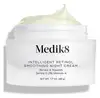
This anti-aging night moisturizer is formulated around Retinol and Squalane to soften the look of wrinkles and refine skin texture.
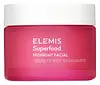
This barrier-repair night moisturizer is formulated around Prunus Amygdalus Dulcis Oil and Butyrospermum Parkii Butter to strengthen the skin barrier and hydrate skin.

What's inside
What's inside
 Key Ingredients
Benefits
Concerns
Ingredients Side-by-side
Water
Skin ConditioningCaprylic/Capric Triglyceride
Masking


Dimethicone
Emollient

Methylpropanediol
SolventCetearyl Alcohol
Emollient





Polymethyl Methacrylate

Glycerin
Humectant
C12-16 Alcohols
EmollientCetearyl Isononanoate
Emollient
Distarch Phosphate
AbsorbentPPG-12/Smdi Copolymer
EmollientStearic Acid
Cleansing
Tocopheryl Acetate
Antioxidant


Propylene Glycol
Humectant
Sodium Acrylate/Sodium Acryloyldimethyl Taurate Copolymer
Emulsion StabilisingPalmitic Acid
Emollient
Cetearyl Olivate
Caprylyl Glycol
Emollient
Tricaprylin
Perfuming

Behenyl Alcohol
Emollient
Hydrogenated Lecithin
Emulsifying
Sorbitan Olivate
Emulsifying
Squalane
Emollient
Hydroxyacetophenone
Antioxidant
Retinol
Skin Conditioning





Disodium EDTA
ChelatingArginine
Masking
Sodium Hyaluronate
Humectant

Phenylpropanol
Masking
Citrus Aurantium Amara Flower Oil
Masking
Rosmarinus Officinalis Leaf Oil
Masking
Sorbitol
Humectant
Citrus Aurantium Dulcis Peel Oil
Masking
Hylocereus Undatus Fruit Extract
Skin ConditioningLavandula Angustifolia Herb Oil
Perfuming
Anthemis Nobilis Flower Oil
Masking
Pogostemon Cablin Leaf Oil
Masking
Vetiveria Zizanoides Root Oil
Masking
BHT
Antioxidant
Ascorbic Acid
Antioxidant
Limonene
Perfuming
Linalool
Perfuming
Geraniol
Perfuming
Water, Caprylic/Capric Triglyceride, Dimethicone, Methylpropanediol, Cetearyl Alcohol, Polymethyl Methacrylate, Glycerin, C12-16 Alcohols, Cetearyl Isononanoate, Distarch Phosphate, PPG-12/Smdi Copolymer, Stearic Acid, Tocopheryl Acetate, Propylene Glycol, Sodium Acrylate/Sodium Acryloyldimethyl Taurate Copolymer, Palmitic Acid, Cetearyl Olivate, Caprylyl Glycol, Tricaprylin, Behenyl Alcohol, Hydrogenated Lecithin, Sorbitan Olivate, Squalane, Hydroxyacetophenone, Retinol, Disodium EDTA, Arginine, Sodium Hyaluronate, Phenylpropanol, Citrus Aurantium Amara Flower Oil, Rosmarinus Officinalis Leaf Oil, Sorbitol, Citrus Aurantium Dulcis Peel Oil, Hylocereus Undatus Fruit Extract, Lavandula Angustifolia Herb Oil, Anthemis Nobilis Flower Oil, Pogostemon Cablin Leaf Oil, Vetiveria Zizanoides Root Oil, BHT, Ascorbic Acid, Limonene, Linalool, Geraniol
Water
Skin ConditioningPEG-8
HumectantGlycerin
Humectant
Caprylic/Capric Triglyceride
Masking
Prunus Amygdalus Dulcis Oil
Skin Conditioning
Dicaprylyl Carbonate
EmollientSodium Polyacrylate
Absorbent
Butyrospermum Parkii Butter
Skin Conditioning
Hydroxyacetophenone
Antioxidant
Phenoxyethanol
Preservative
Theobroma Cacao Seed Butter
Emollient
Parfum
Masking
Carbomer
Emulsion StabilisingDisodium EDTA
ChelatingAlpha-Glucan Oligosaccharide
Cleansing
Bentonite
Absorbent
Chondrus Crispus Extract
Skin Conditioning
Passiflora Edulis Seed Oil
Emollient
Limonene
Perfuming
Citrus Aurantium Dulcis Peel Oil
Masking
Propanediol
Solvent
Glyceryl Acrylate/Acrylic Acid Copolymer
HumectantLinalool
Perfuming
Benzyl Alcohol
Perfuming
Citronellol
Perfuming
Lithothamnion Calcareum Extract
Skin ConditioningSodium Hydroxide
BufferingTheobroma Cacao Seed Extract
Antioxidant
Litsea Cubeba Fruit Oil
Masking
Citrus Aurantifolia Oil
Cleansing
Musa Sapientum Flower Extract
Skin ConditioningCitral
Perfuming
Myrciaria Dubia Fruit Extract
Skin ConditioningTocopherol
Antioxidant
Dehydroacetic Acid
Preservative
Sodium Benzoate
Masking
Citric Acid
Buffering
Potassium Sorbate
Preservative
Water, PEG-8, Glycerin, Caprylic/Capric Triglyceride, Prunus Amygdalus Dulcis Oil, Dicaprylyl Carbonate, Sodium Polyacrylate, Butyrospermum Parkii Butter, Hydroxyacetophenone, Phenoxyethanol, Theobroma Cacao Seed Butter, Parfum, Carbomer, Disodium EDTA, Alpha-Glucan Oligosaccharide, Bentonite, Chondrus Crispus Extract, Passiflora Edulis Seed Oil, Limonene, Citrus Aurantium Dulcis Peel Oil, Propanediol, Glyceryl Acrylate/Acrylic Acid Copolymer, Linalool, Benzyl Alcohol, Citronellol, Lithothamnion Calcareum Extract, Sodium Hydroxide, Theobroma Cacao Seed Extract, Litsea Cubeba Fruit Oil, Citrus Aurantifolia Oil, Musa Sapientum Flower Extract, Citral, Myrciaria Dubia Fruit Extract, Tocopherol, Dehydroacetic Acid, Sodium Benzoate, Citric Acid, Potassium Sorbate
Reviews
Ingredients Explained
These ingredients are found in both products.
Ingredients higher up in an ingredient list are typically present in a larger amount.
Caprylic/Capric Triglyceride (aka MCT Oil) is a lightweight emollient, solvent, and texture enhancer. It is considered a skin-softener by helping to prevent moisture loss.
Though it behaves like an oil, it is not technically one due to its chemical composition. One perk of this ingredient is that it is very stable, resistant to oxidation, and unlikely to go rancid.
In practice, that translates to a long shelf life and a consistently elegant skin feel.
While there is an assumption Caprylic Triglyceride can clog pores due to it being derived from coconut oil, there is no research supporting this. Just patch test if you have concerns.
Fractionated coconut oil and MCT Oil are both listed as Caprylic/Capric Triglyceride according to INCI. This is because INCI names are based on the ingredient’s final chemical composition and not its marketing name or source.
This ingredient is treated as the gold standard fungal acne safe oil. Even though it is coconut derived, the problematic lauric acid is stripped out.
This leaves just caprylic (C8) and capric (C10) acid. These chain lengths actually trend antifungal; a 2020 study found caprylic acid was enough to disrupt Malassezia furfur cell membrane, with a caprylic acid derivative damaging membrane structures at concentrations as low as 0.2%.
Learn more about Caprylic/Capric TriglycerideCitrus Aurantium Dulcis Peel Oil is oil from the peel of an orange fruit.
Limonene and linalool make up the majority of oils from citrus peels. Limonene has a "citrus" fragrance. Citrus peels also contain flavonoids, which have anti-inflammatory properties.
Citrus peel is also a rich source of flavonoids. Flavonoids are natural antioxidants and help protect your skin against damage. Flavonoids are a group of compounds naturally found in vegetables and fruits.
The term 'fragrance' is not regulated in many countries. In many cases, it is up to the brand to define this term. For instance, many brands choose to label themselves as "fragrance-free" because they are not using synthetic fragrances. However, their products may still contain ingredients such as essential oils that are considered a fragrance.
Learn more about Citrus Aurantium Dulcis Peel OilDisodium EDTA is a chelating agent. It grabs onto and deactivates metal ions that sneak into your products from water, packaging, or air.
This ingredient mainly works behind the scenes and helps with:
On top of that, this ingredient can counteract the effects of hard water by binding to the minerals in it.
One thing worth knowing is that Disodium EDTA has been shown to be a mild penetration enhancer. It can help other ingredients absorb into skin more effectively which can be a double-edged sword (great for actives, but can also make the active too strong if you have sensitive skin).
Clinical patch testing showed no significant skin irritation at typical use concentrations and minimal dermal absorption.
You'll most likely see this ingredient near the end of an ingredient list. It's typically found in concentrations less than 1%.
Learn more about Disodium EDTAGlycerin (or glycerol) is a compound naturally found in your skin. It's a powerhouse humectant that pulls water into the stratum corneum.
Topically, glycerin does several things at once:
Your skin makes glycerin on its own (mostly from sebaceous oil breakdown) and shuttles it to your outermost layer of skin, or your epidermis, via aquaporin-3.
Aquaporin-3 is a transporter that is essential for normal skin hydration, elasticity, and repair. Interestingly, mice lacking in AQP3 have dry and less elastic skin that can be fully corrected with glycerin.
This ingredient is non-irritating, plays well with almost every ingredient, and works across all skin types. Typical use is anywhere between 3-10% but can go up to 79% in some leave-on products.
Just know very high concentrations (>40%) can feel tacky in low humidity.
Glycerin is the name for this ingredient in American English. British English uses Glycerol/Glycerine.
Learn more about GlycerinHydroxyacetophenone is a small phenolic molecule that earns its place in a formulas as an antioxidant and preservative booster.
As a phenol, it is able to neutralize free radicals to protect both the product and the skin from oxidative stress.
Though it can't kill microbes on its own, it works as a good supporting agent when combined with other preservatives like Phenoxyethanol or 1,2-Hexanediol.
This ingredient naturally occurs as piceol in Norwegian spruce needles (~0.4-1.1% dry weight and in cloudberries). Though the cosmetic-grade material is synthesized for purity and consistency.
You'll usually see it used at low levels and suppliers recommend up to 1% added to a water phase.
Safety testing was done at concentrations like 0.05% in SPF products and 0.5% in a Human Repeated Insult Patch Test. The safety evidence is assuring; this ingredient is safe for cosmetics in current use and also holds safety status as a food flavoring as well.
An honest caveat: the "soothing" and "anti-inflammatory" claims come mostly from supplier marketing rather than published clinical trials. The Cosmetic Ingredient Review's own literature search found no useful efficacy studies on this ingredient.
So the antioxidant and preservative-boosting roles are the well supported ones while the calming benefit is plausible but thinly evidenced.
Overall, this is a well-tolerated, low-irritation multitasker that quietly helps a formula stay fresh and stable.
Learn more about HydroxyacetophenoneLimonene is the compound that gives citrus peel its smell.
In skincare, it shows up as a standalone fragrance ingredient or as a natural compound of citrus and other essential oils.
You'll typically see this ingredient used in very small amounts; anything above 0.001% in a leave-on product or 0.01% in a rinse-off has to be named on the label in the EU. The citrus oils that carry it sit around 0.5-1% in a finished formula.
Fresh limonene is a weak allergen; the real issue is that it slowly reacts with air and then breaks down from oxidation to create hydroperoxides (which are strong sensitizers). This is why suppliers are required to keep the peroxide value below 20 mmol.
Positive reactions in people being investigated for eczema vary:
It's worth skipping if you have a known fragrance allergy or a compromised barrier, but the risk is low for most people.
Older or long-opened products are also more likely to bother you than fresh ones due to oxidation.
Learn more about LimoneneLinalool is a small, naturally occurring scent molecule found in plants like lavender, coriander, bergamot, and more.
It is one of the two most-used fragrance ingredients in cosmetics and added purely for smell. Since it's not used for a skin benefit, there's no "effective dose". Concentration depends on the fragrance load of the product.
The EU requires it to be named on the label above 0.001% in leave-on and 0.01% in rinse-off products.
Fresh linalool is a weak sensitizer but air exposure turns some of it into hydroperoxides, which are strong sensitizers. Those oxidation products are the actual allergy concern.
Patch-test clinics see positive reactions to linalool hydroperoxides in about 4% to 12% of dermatitis patients depending on country and test concentration.
Resassuringly, one analytical study found hydroperoxide levels in real fragranced products to be orders of magnitude below what induced sensitization in animal studies with no evidence of oxidation building up during normal storage.
The practical takeaway is that linalool is fine for most people but worth avoiding if you have a confirmed fragrance contact allergy or a badly compromised barrier.
Products stored a long time after opening are also the high-risk scenario since that is when oxidation happens.
The scent of linalool is described as floral, spicy tropical, and citrus-like.
Learn more about LinaloolWater. It's the most common cosmetic ingredient of all. You'll usually see it at the top of ingredient lists, meaning that it makes up the largest part of the product.
So why is it so popular? Water most often acts as a solvent - this means that it helps dissolve other ingredients into the formulation.
You'll also recognize water as that liquid we all need to stay alive. If you see this, drink a glass of water. Remember to stay hydrated!
Learn more about Water

