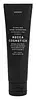
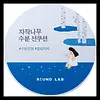
Mecca Cosmetica To Save Face SPF50+ Superscreen Oxybenzone Free Formula Versus Round Lab Birch Juice Moisturizing Sun Cushion SPF 50+ PA++++
This chemical sunscreen covers the full UV range and blocks ~98% of UVB at SPF 50.
This hybrid sunscreen covers the full UV range and blocks ~98% of UVB at SPF 50.


What's inside
What's inside
 Key Ingredients
Benefits
Concerns
Ingredients Side-by-side
Octocrylene
UV Absorber



Butyl Methoxydibenzoylmethane
UV Absorber
Bis-Ethylhexyloxyphenol Methoxyphenyl Triazine
UV Absorber
Phenylbenzimidazole Sulfonic Acid
UV Absorber
C12-15 Alkyl Benzoate
AntimicrobialCarbomer
Emulsion StabilisingCetearyl Alcohol
Emollient





Disodium EDTA
ChelatingTocopheryl Acetate
Antioxidant


Ethylhexylglycerin
Skin ConditioningParfum
Masking

Glycerin
Humectant


Glyceryl Stearate
Emollient
Iodopropynyl Butylcarbamate
Preservative
Phenoxyethanol
Preservative
Pinus Pinaster Callus Powder
Skin ConditioningPonceau Sx
Potassium Cetyl Phosphate
EmulsifyingWater
Skin ConditioningSodium Hydroxide
BufferingSodium PCA
Humectant
Sorbitan Stearate
Emulsifying
Octocrylene, Butyl Methoxydibenzoylmethane, Bis-Ethylhexyloxyphenol Methoxyphenyl Triazine, Phenylbenzimidazole Sulfonic Acid, C12-15 Alkyl Benzoate, Carbomer, Cetearyl Alcohol, Disodium EDTA, Tocopheryl Acetate, Ethylhexylglycerin, Parfum, Glycerin, Glyceryl Stearate, Iodopropynyl Butylcarbamate, Phenoxyethanol, Pinus Pinaster Callus Powder, Ponceau Sx, Potassium Cetyl Phosphate, Water, Sodium Hydroxide, Sodium PCA, Sorbitan Stearate
Water
Skin ConditioningZinc Oxide
Cosmetic Colorant
Caprylyl Methicone
Skin Conditioning
Methyl Trimethicone
Skin Conditioning
Titanium Dioxide
Cosmetic Colorant
Butylene Glycol Dicaprylate/Dicaprate
EmollientButyloctyl Salicylate
Skin Conditioning
Polyglyceryl-4 Diisostearate/Polyhydroxystearate/Sebacate
Emulsifying
Propanediol
Solvent
Glycerin
Humectant
Methyl Methacrylate Crosspolymer
Diisostearyl Malate
EmollientGlyceryl Glucoside
Humectant
Ethylhexylglycerin
Skin ConditioningLaminaria Japonica Extract
Skin Protecting
Ulmus Davidiana Root Extract
Skin Conditioning
Aloe Barbadensis Leaf Extract
Emollient
Viola Mandshurica Flower Extract
Antioxidant
Dioscorea Japonica Root Extract
Skin Conditioning
Sodium Hyaluronate
Humectant

Hyaluronic Acid
Humectant
Dipotassium Glycyrrhizate
Humectant
Allantoin
Skin Conditioning
Portulaca Oleracea Extract
Skin Conditioning
Adansonia Digitata Seed Extract
Skin ConditioningAscorbic Acid
Antioxidant


Butylene Glycol
Humectant
Dimer Dilinoleyl Dimer Dilinoleate
EmollientMagnesium Sulfate
Aluminum Hydroxide
EmollientDisteardimonium Hectorite
StabilisingStearic Acid
Cleansing
Triethoxycaprylylsilane
Polyglyceryl-6 Polyricinoleate
Emulsifying
1,2-Hexanediol
Skin Conditioning
Dicaprylyl Carbonate
EmollientSorbitan Caprylate
EmulsifyingGlyceryl Caprylate
EmollientCaprylyl Glycol
Emollient
Tocopherol
Antioxidant
Water, Zinc Oxide, Caprylyl Methicone, Methyl Trimethicone, Titanium Dioxide, Butylene Glycol Dicaprylate/Dicaprate, Butyloctyl Salicylate, Polyglyceryl-4 Diisostearate/Polyhydroxystearate/Sebacate, Propanediol, Glycerin, Methyl Methacrylate Crosspolymer, Diisostearyl Malate, Glyceryl Glucoside, Ethylhexylglycerin, Laminaria Japonica Extract, Ulmus Davidiana Root Extract, Aloe Barbadensis Leaf Extract, Viola Mandshurica Flower Extract, Dioscorea Japonica Root Extract, Sodium Hyaluronate, Hyaluronic Acid, Dipotassium Glycyrrhizate, Allantoin, Portulaca Oleracea Extract, Adansonia Digitata Seed Extract, Ascorbic Acid, Butylene Glycol, Dimer Dilinoleyl Dimer Dilinoleate, Magnesium Sulfate, Aluminum Hydroxide, Disteardimonium Hectorite, Stearic Acid, Triethoxycaprylylsilane, Polyglyceryl-6 Polyricinoleate, 1,2-Hexanediol, Dicaprylyl Carbonate, Sorbitan Caprylate, Glyceryl Caprylate, Caprylyl Glycol, Tocopherol
Reviews
Ingredients Explained
These ingredients are found in both products.
Ingredients higher up in an ingredient list are typically present in a larger amount.
Ethylhexylglycerin is created from glycerin. It is a multitasker ingredient that:
The CIR Expert Panel found minimal skin absorption or sensitization of any kind in a safety assessment. Though this ingredient is considered well-tolerated, a small number of cases of allergic dermatitis have been published since 2002. Just be sure to patch test if you are unsure.
Industry-reported use ranges from 8% in rinse-off products and 2% in leave-on formulations.
Learn more about EthylhexylglycerinGlycerin (or glycerol) is a compound naturally found in your skin. It's a powerhouse humectant that pulls water into the stratum corneum.
Topically, glycerin does several things at once:
Your skin makes glycerin on its own (mostly from sebaceous oil breakdown) and shuttles it to your outermost layer of skin, or your epidermis, via aquaporin-3.
Aquaporin-3 is a transporter that is essential for normal skin hydration, elasticity, and repair. Interestingly, mice lacking in AQP3 have dry and less elastic skin that can be fully corrected with glycerin.
This ingredient is non-irritating, plays well with almost every ingredient, and works across all skin types. Typical use is anywhere between 3-10% but can go up to 79% in some leave-on products.
Just know very high concentrations (>40%) can feel tacky in low humidity.
Glycerin is the name for this ingredient in American English. British English uses Glycerol/Glycerine.
Learn more about GlycerinWater. It's the most common cosmetic ingredient of all. You'll usually see it at the top of ingredient lists, meaning that it makes up the largest part of the product.
So why is it so popular? Water most often acts as a solvent - this means that it helps dissolve other ingredients into the formulation.
You'll also recognize water as that liquid we all need to stay alive. If you see this, drink a glass of water. Remember to stay hydrated!
Learn more about Water

