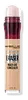
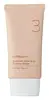
Maybelline Instant Age Rewind Eraser Multi-Use Concealer Versus Numbuzin No.3 Porcelain Base-Skip Tone Up SPF 50+
This hybrid sunscreen covers the full UV range and blocks ~98% of UVB at SPF 50.


What's inside
What's inside
 Key Ingredients
Benefits
Concerns
Ingredients Side-by-side
Water
Skin ConditioningDimethicone
Emollient

Isododecane
EmollientGlycerin
Humectant

PEG-9 Polydimethylsiloxyethyl Dimethicone
Emulsifying
Propylene Glycol
Humectant

Disteardimonium Hectorite
StabilisingSilica
Abrasive


Dimethicone Crosspolymer
Emulsion Stabilising
PEG-10 Dimethicone
Skin Conditioning
Cetyl PEG/PPG-10/1 Dimethicone
Emulsifying
Phenoxyethanol
Preservative
Sodium Chloride
MaskingPolyglyceryl-4 Isostearate
Emulsifying
Caprylyl Glycol
Emollient
Disodium Stearoyl Glutamate
CleansingEthylhexylglycerin
Skin ConditioningChlorphenesin
Antimicrobial
Aluminum Hydroxide
EmollientSteareth-20
CleansingLycium Barbarum Fruit Extract
Astringent
Chlorhexidine Digluconate
Antimicrobial
Sodium Benzoate
Masking
N-Hydroxysuccinimide
Skin ConditioningLactic Acid
Buffering





Potassium Sorbate
Preservative
Tocopherol
Antioxidant


Sodium Citrate
BufferingPalmitoyl Tripeptide-1
Skin Conditioning
Chrysin
Skin ConditioningPentaerythrityl Tetra-Di-T-Butyl Hydroxyhydrocinnamate
Antioxidant
Palmitoyl Tetrapeptide-7
Skin Conditioning
Citric Acid
Buffering
Biotin
AntiseborrhoeicCI 77891
Cosmetic ColorantCI 77491
Cosmetic ColorantCI 77492
Cosmetic ColorantCI 77499
Cosmetic ColorantWater, Dimethicone, Isododecane, Glycerin, PEG-9 Polydimethylsiloxyethyl Dimethicone, Propylene Glycol, Disteardimonium Hectorite, Silica, Dimethicone Crosspolymer, PEG-10 Dimethicone, Cetyl PEG/PPG-10/1 Dimethicone, Phenoxyethanol, Sodium Chloride, Polyglyceryl-4 Isostearate, Caprylyl Glycol, Disodium Stearoyl Glutamate, Ethylhexylglycerin, Chlorphenesin, Aluminum Hydroxide, Steareth-20, Lycium Barbarum Fruit Extract, Chlorhexidine Digluconate, Sodium Benzoate, N-Hydroxysuccinimide, Lactic Acid, Potassium Sorbate, Tocopherol, Sodium Citrate, Palmitoyl Tripeptide-1, Chrysin, Pentaerythrityl Tetra-Di-T-Butyl Hydroxyhydrocinnamate, Palmitoyl Tetrapeptide-7, Citric Acid, Biotin, CI 77891, CI 77491, CI 77492, CI 77499
Water
Skin ConditioningZinc Oxide
Cosmetic Colorant

Cyclohexasiloxane
Emollient
Propanediol
Solvent
Propylheptyl Caprylate
EmollientCaprylyl Methicone
Skin Conditioning
Trimethylsiloxysilicate
Emollient
Polyglyceryl-3 Polydimethylsiloxyethyl Dimethicone
Skin Conditioning
Titanium Dioxide
Cosmetic Colorant
Niacinamide
Smoothing


Disiloxane
Skin Conditioning
Butyloctyl Salicylate
Skin Conditioning
Centella Asiatica Extract
Cleansing
Polygonum Cuspidatum Root Extract
Antioxidant
Scutellaria Baicalensis Root Extract
Astringent
Camellia Sinensis Leaf Extract
Antimicrobial
Rosmarinus Officinalis Leaf Extract
AntimicrobialChamomilla Recutita Flower Extract
Masking
Artemisia Capillaris Extract
Glycyrrhiza Glabra Root Extract
Bleaching
Houttuynia Cordata Extract
Skin Conditioning
Melaleuca Alternifolia Leaf Extract
Perfuming
Rosmarinus Officinalis Leaf Oil
Masking
Disteardimonium Hectorite
StabilisingMagnesium Sulfate
Triethoxycaprylylsilane
1,2-Hexanediol
Skin Conditioning
Polyglyceryl-2 Dipolyhydroxystearate
Skin Conditioning
Lauryl Polyglyceryl-3 Polydimethylsiloxyethyl Dimethicone
Skin Conditioning
Methyl Methacrylate Crosspolymer
Polymethylsilsesquioxane
Dicaprylyl Carbonate
EmollientGlyceryl Caprylate
EmollientCaprylyl Glycol
Emollient
Mica
Cosmetic ColorantAluminum Hydroxide
EmollientEthylhexylglycerin
Skin ConditioningPerfluorooctyl Triethoxysilane
Tocopherol
Antioxidant
Butylene Glycol
Humectant
Pentylene Glycol
Skin Conditioning
CI 77492
Cosmetic ColorantCI 77491
Cosmetic ColorantCI 77499
Cosmetic ColorantWater, Zinc Oxide, Cyclohexasiloxane, Propanediol, Propylheptyl Caprylate, Caprylyl Methicone, Trimethylsiloxysilicate, Polyglyceryl-3 Polydimethylsiloxyethyl Dimethicone, Titanium Dioxide, Niacinamide, Disiloxane, Butyloctyl Salicylate, Centella Asiatica Extract, Polygonum Cuspidatum Root Extract, Scutellaria Baicalensis Root Extract, Camellia Sinensis Leaf Extract, Rosmarinus Officinalis Leaf Extract, Chamomilla Recutita Flower Extract, Artemisia Capillaris Extract, Glycyrrhiza Glabra Root Extract, Houttuynia Cordata Extract, Melaleuca Alternifolia Leaf Extract, Rosmarinus Officinalis Leaf Oil, Disteardimonium Hectorite, Magnesium Sulfate, Triethoxycaprylylsilane, 1,2-Hexanediol, Polyglyceryl-2 Dipolyhydroxystearate, Lauryl Polyglyceryl-3 Polydimethylsiloxyethyl Dimethicone, Methyl Methacrylate Crosspolymer, Polymethylsilsesquioxane, Dicaprylyl Carbonate, Glyceryl Caprylate, Caprylyl Glycol, Mica, Aluminum Hydroxide, Ethylhexylglycerin, Perfluorooctyl Triethoxysilane, Tocopherol, Butylene Glycol, Pentylene Glycol, CI 77492, CI 77491, CI 77499
Reviews
Ingredients Explained
These ingredients are found in both products.
Ingredients higher up in an ingredient list are typically present in a larger amount.
Aluminum Hydroxide is a form of aluminum. It can be naturally found in nature as the mineral gibbsite. In cosmetics, Aluminum Hydroxide is used as a colorant, pH adjuster, and absorbent.
As a colorant, Aluminum Hydroxide may add opacity, or reduce the transparency. Aluminum hydroxide is contains both basic and acidic properties.
According to manufacturers, this ingredient is an emollient and humectant. This means it helps hydrate the skin.
In medicine, this ingredient is used to help relieve heartburn and help heal ulcers.
There is currently no credible scientific evidence linking aluminum hydroxide in cosmetics to increased cancer risk.
Major health organizations allow the use of aluminum hydroxide in personal care products and have not flagged it as a carcinogenic risk at typical usage levels.
Learn more about Aluminum HydroxideCaprylyl Glycol is a humectant, skin conditioner, emollient, and preservative booster derived from either caprylic acid or synthetically created.
Typical use levels vary from 0.3-1% as a preservative booster and go up to 2% to condition skin.
Because it is not a free-fatty acid, this ingredient is fungal acne safe (there's nothing for Malassezia to feed on).
Learn more about Caprylyl GlycolCi 77491 is also hydrated iron III oxide. It's sole purpose is to give a red/pink hue to products.
Iron III oxides are classified as inorganic chemicals for coloring.
Synthetically created Ci 77491 is considered safer than those naturally found. This is because the synthetically created version may contain less impurities. Iron oxides are generally non-toxic and non-allergenic.
Learn more about CI 77491CI 77492 is also hydrated iron III oxide. It's sole purpose is to give a yellow hue to products.
Iron III oxides are classified as inorganic chemicals for coloring.
Synthetically created CI 77492 is considered safer than those naturally found. This is because the synthetically created version may contain less impurities. Iron oxides are generally non-toxic and non-allergenic.
Learn more about CI 77492Ci 77499 is also hydrated iron III oxide. It is created from mixing red and black iron oxides. This helps give shades of darkness to a product.
Iron III oxides are classified as inorganic chemicals for coloring.
Disteardimonium Hectorite comes from the clay mineral named hectorite. It is used to add thickness to a product.
It can also help stabilize a product by helping to disperse other ingredients.
Hectorite is a rare, white clay mineral.
Learn more about Disteardimonium HectoriteEthylhexylglycerin is created from glycerin. It is a multitasker ingredient that:
The CIR Expert Panel found minimal skin absorption or sensitization of any kind in a safety assessment. Though this ingredient is considered well-tolerated, a small number of cases of allergic dermatitis have been published since 2002. Just be sure to patch test if you are unsure.
Industry-reported use ranges from 8% in rinse-off products and 2% in leave-on formulations.
Learn more about EthylhexylglycerinTocopherol is a fat-soluble antioxidant known as Vitamin E.
You'll find this ingredient in the vast majority of skincare (for good reason). It works to neutralize free radicals, or unstable molecules generated by UV exposure, pollution, and other environmental stressors, before they can cause oxidative damage to your skin cells.
Topically applied tocopherol has been shown to protect against UV damage by ramping up the skin's own natural defense enzymes.
It also acts as a skin conditioning agent; some studies show that regular topical use can improve the skin's water-binding capacity over 2-4 weeks.
This ingredient is especially loved for being a team player. When combined with Vitamin C, the photoprotective effect of both ingredients roughly doubles and the combo also helps reduce UV-induced DNA damage.
This ingredient has some brightening potential but it's more of a prevention ingredient than spot-fader. Cell studies show it can slow down melanin production but it's worth noting that it's not the most powerful brightener out there.
In formulations, it also serves as a stabilizer that helps protect other oxidation-prone ingredients from degrading.
Concentrations usually range from 0.1-1% in most leave-on products.
Learn more about TocopherolWater. It's the most common cosmetic ingredient of all. You'll usually see it at the top of ingredient lists, meaning that it makes up the largest part of the product.
So why is it so popular? Water most often acts as a solvent - this means that it helps dissolve other ingredients into the formulation.
You'll also recognize water as that liquid we all need to stay alive. If you see this, drink a glass of water. Remember to stay hydrated!
Learn more about Water

