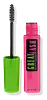
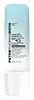
Maybelline Great Lash Washable Mascara Versus Peter Thomas Roth Water Drench Broad Spectrum SPF 45 Hyaluronic Cloud Moisturizer
This chemical sunscreen covers most of the UV range, lighter on the deep UVA that drives aging.

What's inside
What's inside
 Key Ingredients
No key ingredients
Benefits
Concerns
Ingredients Side-by-side
Water
Skin ConditioningCera Alba
Emollient





Ozokerite
Emulsion StabilisingShellac
EmollientGlyceryl Stearate
Emollient
Triethanolamine
BufferingPropylene Glycol
Humectant
Stearic Acid
Cleansing
Sorbitan Sesquioleate
Emulsifying
Methylparaben
Preservative


Quaternium-15
Preservative
Quaternium-22
Simethicone
Emollient
Butylparaben
Masking
CI 77491
Cosmetic ColorantCI 77492
Cosmetic ColorantCI 77499
Cosmetic ColorantCI 77891
Cosmetic ColorantCI 77007
Cosmetic ColorantMica
Cosmetic ColorantButyl Methoxydibenzoylmethane 3%
UV Absorber
Homosalate 5%
Skin Conditioning
Ethylhexyl Salicylate 5%
UV Absorber
Octocrylene 10%
UV Absorber
Water
Skin ConditioningPolymethylsilsesquioxane
Glycerin
Humectant

Dipropylene Glycol
HumectantDimethicone
Emollient
Argania Spinosa Kernel Oil
Emollient



Tocopheryl Acetate
Antioxidant


Yeast Extract
Skin ConditioningCyclopentasiloxane
Emollient
Cyclohexasiloxane
Emollient
Phenoxyethanol
Preservative
Lauryl PEG-9 Polydimethylsiloxyethyl Dimethicone
Skin Conditioning
Isododecane
EmollientDimethicone/PEG-10/15 Crosspolymer
Saccharide Isomerate
Humectant
Methyl Gluceth-20
Humectant
Sodium Chloride
MaskingSodium Hyaluronate
Humectant

Bisabolol
Antioxidant
PEG-15/Lauryl Dimethicone Crosspolymer
Stabilising
Sodium PCA
Humectant
Propylene Glycol
Humectant
Ceteareth-25
CleansingSodium Benzoate
Masking
Potassium Sorbate
Preservative
Sodium Citrate
BufferingCitric Acid
Buffering
Sambucus Nigra Fruit Extract
AstringentCetyl Alcohol
Emollient

Saccharomyces/Magnesium Ferment
Hydrolyzed Silk
Humectant
Behenic Acid
Cleansing
Ceramide NP
Skin Conditioning
Cholesterol
Emollient
Ethylhexylglycerin
Skin ConditioningTocopherol
Antioxidant
Ceramide Ns
Skin Conditioning
Saccharomyces/Iron Ferment
Skin Conditioning
Saccharomyces/Copper Ferment
Skin Conditioning
Saccharomyces/Silicon Ferment
Skin Conditioning
Saccharomyces/Zinc Ferment
Skin Conditioning
Butylene Glycol
Humectant
Ceramide AP
Skin Conditioning
Ceramide EOP
Skin Conditioning
Ceramide Eos
Skin Conditioning
Olea Europaea Leaf Extract
Perfuming
Caprooyl Phytosphingosine
Skin Conditioning
Caprooyl Sphingosine
Skin ConditioningDisodium EDTA
ChelatingAscorbyl Palmitate
Antioxidant
Mica
Cosmetic ColorantButyl Methoxydibenzoylmethane 3%, Homosalate 5%, Ethylhexyl Salicylate 5%, Octocrylene 10%, Water, Polymethylsilsesquioxane, Glycerin, Dipropylene Glycol, Dimethicone, Argania Spinosa Kernel Oil, Tocopheryl Acetate, Yeast Extract, Cyclopentasiloxane, Cyclohexasiloxane, Phenoxyethanol, Lauryl PEG-9 Polydimethylsiloxyethyl Dimethicone, Isododecane, Dimethicone/PEG-10/15 Crosspolymer, Saccharide Isomerate, Methyl Gluceth-20, Sodium Chloride, Sodium Hyaluronate, Bisabolol, PEG-15/Lauryl Dimethicone Crosspolymer, Sodium PCA, Propylene Glycol, Ceteareth-25, Sodium Benzoate, Potassium Sorbate, Sodium Citrate, Citric Acid, Sambucus Nigra Fruit Extract, Cetyl Alcohol, Saccharomyces/Magnesium Ferment, Hydrolyzed Silk, Behenic Acid, Ceramide NP, Cholesterol, Ethylhexylglycerin, Tocopherol, Ceramide Ns, Saccharomyces/Iron Ferment, Saccharomyces/Copper Ferment, Saccharomyces/Silicon Ferment, Saccharomyces/Zinc Ferment, Butylene Glycol, Ceramide AP, Ceramide EOP, Ceramide Eos, Olea Europaea Leaf Extract, Caprooyl Phytosphingosine, Caprooyl Sphingosine, Disodium EDTA, Ascorbyl Palmitate, Mica
Reviews
Ingredients Explained
These ingredients are found in both products.
Ingredients higher up in an ingredient list are typically present in a larger amount.
Mica is a naturally occurring mineral used to add shimmer and color in cosmetics. It can also help improve the texture of a product or give it an opaque, white/silver color.
Serecite is the name for very fine but ragged grains of mica.
This ingredient is often coated with metal oxides like titanium dioxide. Trace amounts of heavy metals may be found in mica, but these metals are not harmful in our personal products.
Mica has been used since prehistoric times throughout the world. Ancient Egyptian, Indian, Greek, Roman, Aztec, and Chinese civilizations have used mica.
Learn more about MicaPropylene Glycol is a synthetic, colorless, odorless liquid that has been a staple in cosmetics for decades. It is a skin conditioning agent, humectant, and solvent.
As a humectant, it draw water to the skin to reduce flaking and restore suppleness. It's also a solvent that helps dissolve other actives and keeps formulas stable across temperature changes.
The CIR Expert Panel has confirmed this ingredient to be nontoxic and clinical studies show no sensitization at cosmetic use concentrations.
True allergic reactions are quite rare: a 15-year retrospective study of 6,751 patients found only 0.31% had a positive reaction (and less than half were considered clinically relevant).
It seemed that when sensitization does occur, it's most commonly linked to topical medication (like corticosteroids) and not cosmetics. Allergic contact dermatitis also appears largely limited to individuals with underlying skin conditions.
Overall, propylene glycol is a well-studied ingredient that most people can tolerate without issue.
Learn more about Propylene GlycolWater. It's the most common cosmetic ingredient of all. You'll usually see it at the top of ingredient lists, meaning that it makes up the largest part of the product.
So why is it so popular? Water most often acts as a solvent - this means that it helps dissolve other ingredients into the formulation.
You'll also recognize water as that liquid we all need to stay alive. If you see this, drink a glass of water. Remember to stay hydrated!
Learn more about Water

