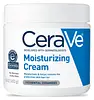
This barrier-repair moisturizer is formulated around Ceramide NP and Ceramide AP to strengthen the skin barrier and hydrate skin.

What's inside
What's inside
 Key Ingredients
Benefits
Concerns
Ingredients Side-by-side
Water
Skin ConditioningBeeswax
Emulsion Stabilising




Cyclopentasiloxane
Emollient
Glyceryl Stearate
Emollient
PPG-17
Skin ConditioningCopernicia Cerifera Wax
Paraffin
Skin Conditioning
Nylon-12


Polyethylene
Abrasive
Butylene Glycol
Humectant

Polymethyl Methacrylate
Stearic Acid
Cleansing
Vp/Eicosene Copolymer
Triethanolamine
BufferingPalmitic Acid
Emollient
Pvp
Emulsion StabilisingSilica
Abrasive
Synthetic Wax
Abrasive
Panthenol
Skin Conditioning


Dimethiconol
Emollient
Hydrolyzed Corn Starch
HumectantIsoceteth-20
EmulsifyingHydroxyethylcellulose
Emulsion StabilisingDiazolidinyl Urea
Preservative
Methylparaben
Preservative
Disodium EDTA
ChelatingSimethicone
Emollient
Octylacrylamide/Acrylates/Butylaminoethyl Methacrylate Copolymer
Tocopherol
Antioxidant




Tocopheryl Acetate
Antioxidant
BHT
Antioxidant
Lecithin
Emollient
Isopropyl Titanium Triisostearate
Emollient
Butylparaben
Masking
Disodium Cocoamphodiacetate
CleansingOleamide
2-Oleamido-1,3-Octadecanediol
Skin ConditioningPropylparaben
Preservative
CI 77492
Cosmetic ColorantCI 77499
Cosmetic ColorantCI 77491
Cosmetic ColorantCI 77007
Cosmetic ColorantMica
Cosmetic ColorantCI 77891
Cosmetic ColorantCI 75470
Cosmetic ColorantCI 77288
Cosmetic ColorantCI 77289
Cosmetic ColorantCI 77510
Cosmetic ColorantWater, Beeswax, Cyclopentasiloxane, Glyceryl Stearate, PPG-17, Copernicia Cerifera Wax, Paraffin, Nylon-12, Polyethylene, Butylene Glycol, Polymethyl Methacrylate, Stearic Acid, Vp/Eicosene Copolymer, Triethanolamine, Palmitic Acid, Pvp, Silica, Synthetic Wax, Panthenol, Dimethiconol, Hydrolyzed Corn Starch, Isoceteth-20, Hydroxyethylcellulose, Diazolidinyl Urea, Methylparaben, Disodium EDTA, Simethicone, Octylacrylamide/Acrylates/Butylaminoethyl Methacrylate Copolymer, Tocopherol, Tocopheryl Acetate, BHT, Lecithin, Isopropyl Titanium Triisostearate, Butylparaben, Disodium Cocoamphodiacetate, Oleamide, 2-Oleamido-1,3-Octadecanediol, Propylparaben, CI 77492, CI 77499, CI 77491, CI 77007, Mica, CI 77891, CI 75470, CI 77288, CI 77289, CI 77510
Water
Skin ConditioningGlycerin
Humectant
Cetearyl Alcohol
Emollient

Caprylic/Capric Triglyceride
Masking
Cetyl Alcohol
Emollient
Ceteareth-20
Cleansing
Petrolatum
Emollient
Potassium Phosphate
BufferingCeramide NP
Skin Conditioning
Ceramide AP
Skin Conditioning
Ceramide EOP
Skin Conditioning
Carbomer
Emulsion StabilisingDimethicone
Emollient
Behentrimonium Methosulfate
SurfactantSodium Lauroyl Lactylate
EmulsifyingSodium Hyaluronate
Humectant
Cholesterol
Emollient
Phenoxyethanol
Preservative
Disodium EDTA
ChelatingDipotassium Phosphate
BufferingTocopherol
Antioxidant
Phytosphingosine
Skin Conditioning
Xanthan Gum
EmulsifyingEthylhexylglycerin
Skin ConditioningWater, Glycerin, Cetearyl Alcohol, Caprylic/Capric Triglyceride, Cetyl Alcohol, Ceteareth-20, Petrolatum, Potassium Phosphate, Ceramide NP, Ceramide AP, Ceramide EOP, Carbomer, Dimethicone, Behentrimonium Methosulfate, Sodium Lauroyl Lactylate, Sodium Hyaluronate, Cholesterol, Phenoxyethanol, Disodium EDTA, Dipotassium Phosphate, Tocopherol, Phytosphingosine, Xanthan Gum, Ethylhexylglycerin
Reviews
Ingredients Explained
These ingredients are found in both products.
Ingredients higher up in an ingredient list are typically present in a larger amount.
Disodium EDTA is a chelating agent. It grabs onto and deactivates metal ions that sneak into your products from water, packaging, or air.
This ingredient mainly works behind the scenes and helps with:
On top of that, this ingredient can counteract the effects of hard water by binding to the minerals in it.
One thing worth knowing is that Disodium EDTA has been shown to be a mild penetration enhancer. It can help other ingredients absorb into skin more effectively which can be a double-edged sword (great for actives, but can also make the active too strong if you have sensitive skin).
Clinical patch testing showed no significant skin irritation at typical use concentrations and minimal dermal absorption.
You'll most likely see this ingredient near the end of an ingredient list. It's typically found in concentrations less than 1%.
Learn more about Disodium EDTATocopherol is a fat-soluble antioxidant known as Vitamin E.
You'll find this ingredient in the vast majority of skincare (for good reason). It works to neutralize free radicals, or unstable molecules generated by UV exposure, pollution, and other environmental stressors, before they can cause oxidative damage to your skin cells.
Topically applied tocopherol has been shown to protect against UV damage by ramping up the skin's own natural defense enzymes.
It also acts as a skin conditioning agent; some studies show that regular topical use can improve the skin's water-binding capacity over 2-4 weeks.
This ingredient is especially loved for being a team player. When combined with Vitamin C, the photoprotective effect of both ingredients roughly doubles and the combo also helps reduce UV-induced DNA damage.
This ingredient has some brightening potential but it's more of a prevention ingredient than spot-fader. Cell studies show it can slow down melanin production but it's worth noting that it's not the most powerful brightener out there.
In formulations, it also serves as a stabilizer that helps protect other oxidation-prone ingredients from degrading.
Concentrations usually range from 0.1-1% in most leave-on products.
Learn more about TocopherolWater. It's the most common cosmetic ingredient of all. You'll usually see it at the top of ingredient lists, meaning that it makes up the largest part of the product.
So why is it so popular? Water most often acts as a solvent - this means that it helps dissolve other ingredients into the formulation.
You'll also recognize water as that liquid we all need to stay alive. If you see this, drink a glass of water. Remember to stay hydrated!
Learn more about Water

