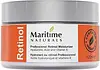
This anti-aging moisturizer is formulated around Aloe Barbadensis Leaf Extract and Retinol to soften the look of wrinkles and refine skin texture.
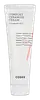
This barrier-repair moisturizer is formulated around Centella Asiatica Leaf Water and Ceramide NP to strengthen the skin barrier and calm redness.


What's inside
What's inside
 Key Ingredients
Benefits
Concerns
Ingredients Side-by-side
Aloe Barbadensis Leaf Extract
Emollient


Helianthus Annuus Seed Oil
Emollient


Isopropyl Palmitate
Emollient


Pentylene Glycol
Skin Conditioning
Phospholipids
Skin Conditioning
Retinol
Skin Conditioning









Polysorbate 20
Emulsifying
Potassium Phosphate
BufferingTocopherol
Antioxidant

Cassia Angustifolia Seed Polysaccharide
Skin ConditioningGlyceryl Stearate
Emollient
Cetyl Alcohol
Emollient

Stearic Acid
Cleansing
Glycerin
Humectant
Simmondsia Chinensis Seed Oil
Emollient
Camellia Sinensis Callus
Antimicrobial
Propolis Wax
EmollientButyrospermum Parkii Butter
Skin Conditioning
Panthenol
Skin Conditioning
Phenoxyethanol
Preservative
Ethylhexylglycerin
Skin ConditioningXanthan Gum
EmulsifyingCitric Acid
Buffering
Aloe Barbadensis Leaf Extract, Helianthus Annuus Seed Oil, Isopropyl Palmitate, Pentylene Glycol, Phospholipids, Retinol, Polysorbate 20, Potassium Phosphate, Tocopherol, Cassia Angustifolia Seed Polysaccharide, Glyceryl Stearate, Cetyl Alcohol, Stearic Acid, Glycerin, Simmondsia Chinensis Seed Oil, Camellia Sinensis Callus, Propolis Wax, Butyrospermum Parkii Butter, Panthenol, Phenoxyethanol, Ethylhexylglycerin, Xanthan Gum, Citric Acid
Centella Asiatica Leaf Water
Skin Conditioning
Butylene Glycol
Humectant
Glycerin
Humectant
Helianthus Annuus Seed Oil
Emollient
Caprylic/Capric Triglyceride
Masking
Cetearyl Alcohol
Emollient
Betaine
Humectant
1,2-Hexanediol
Skin Conditioning
Cetearyl Olivate
Elaeis Guineensis Oil
Emollient
Ceramide NP
Skin Conditioning
Sorbitan Olivate
Emulsifying
Hydrogenated Lecithin
Emulsifying
Triethylhexanoin
MaskingBeeswax
Emulsion Stabilising
Elaeis Guineensis Kernel Oil
Emollient
Hydroxyethyl Acrylate/Sodium Acryloyldimethyl Taurate Copolymer
Emulsion StabilisingEthylhexylglycerin
Skin ConditioningCyclohexasiloxane
Emollient
Cassia Obtusifolia Seed Extract
Skin ConditioningSucrose Distearate
Emollient
Dipropylene Glycol
HumectantPanthenol
Skin Conditioning
Niacinamide
Smoothing
Dimethicone/Vinyl Dimethicone Crosspolymer
Skin Conditioning
Glyceryl Stearate
Emollient
Xanthan Gum
EmulsifyingSodium Hyaluronate
Humectant
Limonene
Perfuming

Citrus Aurantium Bergamia Fruit Oil
Masking
Asiaticoside
Antioxidant
Asiatic Acid
Skin Conditioning
Madecassic Acid
Skin Conditioning
Linalool
Perfuming
Centella Asiatica Leaf Water, Butylene Glycol, Glycerin, Helianthus Annuus Seed Oil, Caprylic/Capric Triglyceride, Cetearyl Alcohol, Betaine, 1,2-Hexanediol, Cetearyl Olivate, Elaeis Guineensis Oil, Ceramide NP, Sorbitan Olivate, Hydrogenated Lecithin, Triethylhexanoin, Beeswax, Elaeis Guineensis Kernel Oil, Hydroxyethyl Acrylate/Sodium Acryloyldimethyl Taurate Copolymer, Ethylhexylglycerin, Cyclohexasiloxane, Cassia Obtusifolia Seed Extract, Sucrose Distearate, Dipropylene Glycol, Panthenol, Niacinamide, Dimethicone/Vinyl Dimethicone Crosspolymer, Glyceryl Stearate, Xanthan Gum, Sodium Hyaluronate, Limonene, Citrus Aurantium Bergamia Fruit Oil, Asiaticoside, Asiatic Acid, Madecassic Acid, Linalool
Reviews
Ingredients Explained
These ingredients are found in both products.
Ingredients higher up in an ingredient list are typically present in a larger amount.
Ethylhexylglycerin is created from glycerin. It is a multitasker ingredient that:
The CIR Expert Panel found minimal skin absorption or sensitization of any kind in a safety assessment. Though this ingredient is considered well-tolerated, a small number of cases of allergic dermatitis have been published since 2002. Just be sure to patch test if you are unsure.
Industry-reported use ranges from 8% in rinse-off products and 2% in leave-on formulations.
Learn more about EthylhexylglycerinGlycerin (or glycerol) is a compound naturally found in your skin. It's a powerhouse humectant that pulls water into the stratum corneum.
Topically, glycerin does several things at once:
Your skin makes glycerin on its own (mostly from sebaceous oil breakdown) and shuttles it to your outermost layer of skin, or your epidermis, via aquaporin-3.
Aquaporin-3 is a transporter that is essential for normal skin hydration, elasticity, and repair. Interestingly, mice lacking in AQP3 have dry and less elastic skin that can be fully corrected with glycerin.
This ingredient is non-irritating, plays well with almost every ingredient, and works across all skin types. Typical use is anywhere between 3-10% but can go up to 79% in some leave-on products.
Just know very high concentrations (>40%) can feel tacky in low humidity.
Glycerin is the name for this ingredient in American English. British English uses Glycerol/Glycerine.
Learn more about GlycerinGlyceryl Stearate is made by reacting glycerin with stearic acid (typically sourced from plant oils like palm or coconut). It's an emulsifier, emollient, and mild occlusive.
Emulsifiers help ingredients like oil and water stay mixed so your formula stays nicely blended and uniform in texture.
This ingredient is typically used in concentrations between 1-10%. Studies have found it to be non-sensitizing, non-phototoxic, and non-photoallergenic.
A close cousin of this ingredient is Glyceryl Stearate SE ("self-emulsifying"). This just has a small amount of sodium or potassium stearate added so it can emulsify without a co-emulsifier.
Since this ingredient is an ester of a C18 fatty acid, it may not be fungal acne safe. The Malassezia yeast can potentially metabolize within the C11-C24 range.
Fun fact: The human body also creates Glyceryl Stearate naturally.
Learn more about Glyceryl StearateHelianthus Annuus Seed Oil is a plant oil derived from the seeds of a sunflower.
It is rich in fatty acids, primarily linoleic acid and oleic acid. This gives it emollient and skin conditioning properties.
The reason this ingredient is so effective is because it forms a thin film on the skin that reduces transepidermal water loss (TEWL) while supplying linoleic acid to the stratum corneum to improve barrier strength.
The high linoleic acid content is particularly noteworthy for acne-prone skin.
Research suggests that acne-prone skin tends to be deficient in linoleic acid in sebum. Topical application may help replenish this to support a healthier follicular environment and less comedone-promoting sebum.
One randomized study found sunflower seed oil preserved skin barrier integrity in adult volunteers with and without atopic dermatitis (outperforming olive oil).
This ingredient is well-studied, gentle, and an effective emollient suitable for most skin types.
On fungal acne: This ingredient may not be Fungal acne (Malassezia folliculitis) safe. This is because it contains fatty acids with carbon chain lengths in the C11-C24 range.
Learn more about Helianthus Annuus Seed OilPanthenol is a common ingredient that helps hydrate and soothe the skin. It is found naturally in our skin and hair.
There are two forms of panthenol: D and L.
D-panthenol is also known as dexpanthenol. Most cosmetics use dexpanthenol or a mixture of D and L-panthenol.
Panthenol is famous due to its ability to go deeper into the skin's layers. Using this ingredient has numerous pros (and no cons):
Like hyaluronic acid, panthenol is a humectant. Humectants are able to bind and hold large amounts of water to keep skin hydrated.
This ingredient works well for wound healing. It works by increasing tissue in the wound and helps close open wounds.
Once oxidized, panthenol converts to pantothenic acid. Panthothenic acid is found in all living cells.
This ingredient is also referred to as pro-vitamin B5.
Learn more about PanthenolXanthan gum is used as a stabilizer and thickener within cosmetic products. It helps give products a sticky, thick feeling - preventing them from being too runny.
On the technical side of things, xanthan gum is a polysaccharide - a combination consisting of multiple sugar molecules bonded together.
Xanthan gum is a pretty common and great ingredient. It is a natural, non-toxic, non-irritating ingredient that is also commonly used in food products.
Learn more about Xanthan Gum

