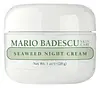
This night moisturizer is formulated around Fucus Vesiculosus Extract to hydrate skin.
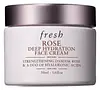
This barrier-repair moisturizer is formulated around Rosa Damascena Flower Water and Sodium Hyaluronate to strengthen the skin barrier and hydrate skin.

What's inside
What's inside
 Key Ingredients
Benefits
Concerns
Ingredients Side-by-side
Water
Skin ConditioningGlycerin
Humectant


Isopropyl Myristate
Emollient





Stearic Acid
Cleansing
Propylene Glycol
Humectant
Cetyl Alcohol
Emollient

Fucus Vesiculosus Extract
Emollient
Hydrolyzed Elastin
EmollientCollagen
Moisturising
Sodium Hyaluronate
Humectant

Glyceryl Acrylate/Acrylic Acid Copolymer
HumectantCarbomer
Emulsion StabilisingParfum
Masking

Sodium Chloride
MaskingPhenoxyethanol
Preservative
Potassium Sorbate
Preservative
Methylparaben
Preservative

Propylparaben
Preservative
Sodium Benzoate
Masking
Triethanolamine
BufferingDiazolidinyl Urea
Preservative
Mica
Cosmetic ColorantCI 77891
Cosmetic ColorantCI 19140
Cosmetic ColorantCI 42090
Cosmetic ColorantCI 77288
Cosmetic ColorantWater, Glycerin, Isopropyl Myristate, Stearic Acid, Propylene Glycol, Cetyl Alcohol, Fucus Vesiculosus Extract, Hydrolyzed Elastin, Collagen, Sodium Hyaluronate, Glyceryl Acrylate/Acrylic Acid Copolymer, Carbomer, Parfum, Sodium Chloride, Phenoxyethanol, Potassium Sorbate, Methylparaben, Propylparaben, Sodium Benzoate, Triethanolamine, Diazolidinyl Urea, Mica, CI 77891, CI 19140, CI 42090, CI 77288
Water
Skin ConditioningGlycerin
Humectant
C15-19 Alkane
SolventButylene Glycol
Humectant
Propanediol
Solvent
Isostearyl Isostearate
Emollient
Hexyl Laurate
Emollient
Pentylene Glycol
Skin Conditioning
1,2-Hexanediol
Skin Conditioning
Behenyl Alcohol
Emollient
Steareth-2
EmulsifyingPrunus Domestica Seed Oil
Skin Conditioning
Rosa Damascena Flower Water
Masking
Rosa Damascena Extract
MaskingAngelica Keiskei Leaf/Stem Extract
Skin ConditioningAcacia Senegal Gum
MaskingRosa Damascena Flower Extract
Masking
Rosa Damascena Flower Oil
Masking
Cucumis Sativus Fruit Extract
Emollient
Tocopheryl Acetate
Antioxidant


Silica
Abrasive


Dimethicone
Emollient
Ammonium Acryloyldimethyltaurate/Vp Copolymer
Steareth-21
CleansingHydroxyethyl Acrylate/Sodium Acryloyldimethyl Taurate Copolymer
Emulsion StabilisingSodium Hyaluronate
Humectant
Squalane
Emollient
Acrylates/C10-30 Alkyl Acrylate Crosspolymer
Emulsion StabilisingTromethamine
BufferingXanthan Gum
EmulsifyingDimethiconol
Emollient
Polysorbate 60
Emulsifying
Caprylic/Capric Triglyceride
Masking
Algin
MaskingSodium Chloride
MaskingPentaerythrityl Tetra-Di-T-Butyl Hydroxyhydrocinnamate
Antioxidant
Sorbitan Isostearate
Emulsifying
Trisodium Ethylenediamine Disuccinate
ChelatingSerine
Masking
Caramel
Cosmetic ColorantCaprylyl Glycol
Emollient
Citric Acid
Buffering
Sodium Hydroxide
BufferingChlorphenesin
Antimicrobial
Sodium Benzoate
Masking
Potassium Sorbate
Preservative
Citronellol
Perfuming
Geraniol
Perfuming
Water, Glycerin, C15-19 Alkane, Butylene Glycol, Propanediol, Isostearyl Isostearate, Hexyl Laurate, Pentylene Glycol, 1,2-Hexanediol, Behenyl Alcohol, Steareth-2, Prunus Domestica Seed Oil, Rosa Damascena Flower Water, Rosa Damascena Extract, Angelica Keiskei Leaf/Stem Extract, Acacia Senegal Gum, Rosa Damascena Flower Extract, Rosa Damascena Flower Oil, Cucumis Sativus Fruit Extract, Tocopheryl Acetate, Silica, Dimethicone, Ammonium Acryloyldimethyltaurate/Vp Copolymer, Steareth-21, Hydroxyethyl Acrylate/Sodium Acryloyldimethyl Taurate Copolymer, Sodium Hyaluronate, Squalane, Acrylates/C10-30 Alkyl Acrylate Crosspolymer, Tromethamine, Xanthan Gum, Dimethiconol, Polysorbate 60, Caprylic/Capric Triglyceride, Algin, Sodium Chloride, Pentaerythrityl Tetra-Di-T-Butyl Hydroxyhydrocinnamate, Sorbitan Isostearate, Trisodium Ethylenediamine Disuccinate, Serine, Caramel, Caprylyl Glycol, Citric Acid, Sodium Hydroxide, Chlorphenesin, Sodium Benzoate, Potassium Sorbate, Citronellol, Geraniol
Reviews
Ingredients Explained
These ingredients are found in both products.
Ingredients higher up in an ingredient list are typically present in a larger amount.
Glycerin (or glycerol) is a compound naturally found in your skin. It's a powerhouse humectant that pulls water into the stratum corneum.
Topically, glycerin does several things at once:
Your skin makes glycerin on its own (mostly from sebaceous oil breakdown) and shuttles it to your outermost layer of skin, or your epidermis, via aquaporin-3.
Aquaporin-3 is a transporter that is essential for normal skin hydration, elasticity, and repair. Interestingly, mice lacking in AQP3 have dry and less elastic skin that can be fully corrected with glycerin.
This ingredient is non-irritating, plays well with almost every ingredient, and works across all skin types. Typical use is anywhere between 3-10% but can go up to 79% in some leave-on products.
Just know very high concentrations (>40%) can feel tacky in low humidity.
Glycerin is the name for this ingredient in American English. British English uses Glycerol/Glycerine.
Learn more about GlycerinPotassium Sorbate is a preservative used to prevent yeast and mold in products. It is commonly found in both cosmetic and food products.
This ingredient comes from potassium salt derived from sorbic acid. Sorbic acid is a natural antibiotic and effective against fungus.
Both potassium sorbate and sorbic acid can be found in baked goods, cheeses, dried meats, dried fruit, ice cream, pickles, wine, yogurt, and more.
You'll often find this ingredient used with other preservatives.
Learn more about Potassium SorbateSodium Benzoate is a preservative. It's used in both cosmetic and food products to inhibit the growth of mold and bacteria. It is typically produced synthetically.
Both the US FDA and EU Health Committee have approved the use of sodium benzoate. In the US, levels of 0.1% (of the total product) are allowed.
Sodium benzoate works as a preservative by inhibiting the growth of bacteria inside of cells. It prevents the cell from fermenting a type of sugar using an enzyme called phosphofructokinase.
It is the salt of benzoic acid. Foods containing sodium benzoate include soda, salad dressings, condiments, fruit juices, wines, and snack foods.
Studies for using ascorbic acid and sodium benzoate in cosmetics are lacking, especially in skincare routines with multiple steps.
We always recommend speaking with a professional, such as a dermatologist, if you have any concerns.
Learn more about Sodium BenzoateChances are, you eat sodium chloride every day. Sodium Chloride is also known as table salt. This ingredient has many purposes in skincare: thickener, emulsifier, and exfoliator.
You'll most likely find this ingredient in cleansers where it is used to create a gel-like texture. As an emulsifier, it also prevents ingredients from separating.
You might see people debate whether Sodium Chloride is comedogenic, but there actually haven't been any comedogenic tests done on it. Either way, the overall formulation of a product matters a lot more than any single ingredient.
You might see this ingredient used in scrubs as a primary exfoliating ingredient.
Learn more about Sodium ChlorideSodium Hyaluronate is the salt form of hyaluronic acid. It is a long sugar chain that is naturally found in your skin, joints, and connective tissue that maintains hydration and elasticity.
In skincare, it works as a humectant. It pulls water from the environment and deeper layers of skin and binds it to the surface.
Interestingly, the size of the molecule affects its behavior:
Some clinical evidence links low molecular weight versions to improved wrinkle depth, elasticity, anti-inflammatory effects, and barrier repair.
Many serums use a blend of both weights so you can get surface hydration plus longer-lasting and deeper effects.
You'll typically see concentrations between 0.1-2% for this ingredient.
Learn more about Sodium HyaluronateWater. It's the most common cosmetic ingredient of all. You'll usually see it at the top of ingredient lists, meaning that it makes up the largest part of the product.
So why is it so popular? Water most often acts as a solvent - this means that it helps dissolve other ingredients into the formulation.
You'll also recognize water as that liquid we all need to stay alive. If you see this, drink a glass of water. Remember to stay hydrated!
Learn more about Water

