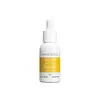
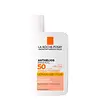
Marcelle 100% Mineral Sun Serum SPF 30 Versus La Roche-Posay Anthelios Mineral Tinted Ultra Fluid Lotion SPF 50
This hybrid sunscreen covers the full UV range and blocks ~97% of UVB at SPF 30.
This hybrid sunscreen covers the full UV range and blocks ~98% of UVB at SPF 50.


What's inside
What's inside
 Key Ingredients
Benefits
Concerns
Ingredients Side-by-side
Zinc Oxide 24.15%
Cosmetic Colorant


Caprylic/Capric Triglyceride
Masking


C9-12 Alkane
SolventButyloctyl Salicylate
Skin Conditioning
Silica Dimethyl Silylate
EmollientPolyhydroxystearic Acid
Emulsifying

Aluminum Starch Octenylsuccinate
Absorbent
Coco-Caprylate/Caprate
Emollient
Triethoxycaprylylsilane

Tocopheryl Acetate
Antioxidant


Water
Skin ConditioningPongamia Pinnata Seed Extract
Skin ConditioningEthylhexyl Palmitate
Emollient


Trihydroxystearin
Skin Conditioning
Amorphophallus Konjac Root Powder
Abrasive
Sodium Hyaluronate
Humectant


Zinc Oxide 24.15%, Caprylic/Capric Triglyceride, C9-12 Alkane, Butyloctyl Salicylate, Silica Dimethyl Silylate, Polyhydroxystearic Acid, Aluminum Starch Octenylsuccinate, Coco-Caprylate/Caprate, Triethoxycaprylylsilane, Tocopheryl Acetate, Water, Pongamia Pinnata Seed Extract, Ethylhexyl Palmitate, Trihydroxystearin, Amorphophallus Konjac Root Powder, Sodium Hyaluronate
Titanium Dioxide 11%
Cosmetic Colorant
Water
Skin ConditioningIsododecane
EmollientC12-15 Alkyl Benzoate
AntimicrobialDimethicone
Emollient
Undecane
EmollientTriethylhexanoin
MaskingIsohexadecane
EmollientStyrene/Acrylates Copolymer
Nylon-12
Caprylyl Methicone
Skin Conditioning
Butyloctyl Salicylate
Skin Conditioning
Phenethyl Benzoate
Emollient

Silica
Abrasive
Tridecane
Perfuming
Dicaprylyl Carbonate
EmollientDicaprylyl Ether
Emollient
Talc
Abrasive
Dimethicone/PEG-10/15 Crosspolymer
Aluminum Stearate
Cosmetic ColorantPEG-9 Polydimethylsiloxyethyl Dimethicone
Emulsifying
Pentylene Glycol
Skin Conditioning
Alumina
Abrasive
Aluminum Hydroxide
EmollientBenzoic Acid
Masking
Caprylic/Capric Triglyceride
Masking
Caprylyl Glycol
Emollient
Cassia Alata Leaf Extract
AstringentDiethylhexyl Syringylidenemalonate
Skin Protecting
Dipropylene Glycol
HumectantDisodium EDTA
ChelatingDisodium Stearoyl Glutamate
CleansingDisteardimonium Hectorite
StabilisingHelianthus Annuus Seed Oil
Emollient
CI 77491
Cosmetic ColorantCI 77492
Cosmetic ColorantCI 77499
Cosmetic ColorantMagnesium Sulfate
Maltodextrin
Absorbent
PEG-8 Laurate
Emulsifying
Phenoxyethanol
Preservative
Polyhydroxystearic Acid
Emulsifying
Propylene Carbonate
SolventPropylene Glycol
Humectant
Sodium Citrate
BufferingStearic Acid
Cleansing
Tocopherol
Antioxidant
Titanium Dioxide 11%, Water, Isododecane, C12-15 Alkyl Benzoate, Dimethicone, Undecane, Triethylhexanoin, Isohexadecane, Styrene/Acrylates Copolymer, Nylon-12, Caprylyl Methicone, Butyloctyl Salicylate, Phenethyl Benzoate, Silica, Tridecane, Dicaprylyl Carbonate, Dicaprylyl Ether, Talc, Dimethicone/PEG-10/15 Crosspolymer, Aluminum Stearate, PEG-9 Polydimethylsiloxyethyl Dimethicone, Pentylene Glycol, Alumina, Aluminum Hydroxide, Benzoic Acid, Caprylic/Capric Triglyceride, Caprylyl Glycol, Cassia Alata Leaf Extract, Diethylhexyl Syringylidenemalonate, Dipropylene Glycol, Disodium EDTA, Disodium Stearoyl Glutamate, Disteardimonium Hectorite, Helianthus Annuus Seed Oil, CI 77491, CI 77492, CI 77499, Magnesium Sulfate, Maltodextrin, PEG-8 Laurate, Phenoxyethanol, Polyhydroxystearic Acid, Propylene Carbonate, Propylene Glycol, Sodium Citrate, Stearic Acid, Tocopherol
Reviews
Ingredients Explained
These ingredients are found in both products.
Ingredients higher up in an ingredient list are typically present in a larger amount.
Butyloctyl Salicylate is a chemical UV filter structurally similar to octisalate. It is a photostabilizer, SPF booster, emollient and solvent. This ingredient helps evenly spread out ingredients.
According to a manufacturer, it is suitable for pairing with micro Titanium Dioxide, Zinc Oxide, and pigments.
Photostabilizers help stabilize UV-filters and prevents them from degrading quickly.
Learn more about Butyloctyl SalicylateCaprylic/Capric Triglyceride (aka MCT Oil) is a lightweight emollient, solvent, and texture enhancer. It is considered a skin-softener by helping to prevent moisture loss.
Though it behaves like an oil, it is not technically one due to its chemical composition. One perk of this ingredient is that it is very stable, resistant to oxidation, and unlikely to go rancid.
In practice, that translates to a long shelf life and a consistently elegant skin feel.
While there is an assumption Caprylic Triglyceride can clog pores due to it being derived from coconut oil, there is no research supporting this. Just patch test if you have concerns.
Fractionated coconut oil and MCT Oil are both listed as Caprylic/Capric Triglyceride according to INCI. This is because INCI names are based on the ingredient’s final chemical composition and not its marketing name or source.
This ingredient is treated as the gold standard fungal acne safe oil. Even though it is coconut derived, the problematic lauric acid is stripped out.
This leaves just caprylic (C8) and capric (C10) acid. These chain lengths actually trend antifungal; a 2020 study found caprylic acid was enough to disrupt Malassezia furfur cell membrane, with a caprylic acid derivative damaging membrane structures at concentrations as low as 0.2%.
Learn more about Caprylic/Capric TriglyceridePolyhydroxystearic Acid is a vegetable-derived soft wax made from castor oil. It's an emulsion stabilizer, thickener, and film former.
You'll likely see it in sunscreens because it helps disperse pigments and UV-reflecting minerals like titanium dioxide and zinc oxide evenly.
Depending on the concentration, it can drastically change the texture of a product from pasty solid (like lipstick) to sprayable liquid.
The CIR Expert Panel for Cosmetic Ingredient Safety has concluded this ingredient to be safe in cosmetics. The highest reported use concentration is 14.2% in lipsticks.
Learn more about Polyhydroxystearic AcidWater. It's the most common cosmetic ingredient of all. You'll usually see it at the top of ingredient lists, meaning that it makes up the largest part of the product.
So why is it so popular? Water most often acts as a solvent - this means that it helps dissolve other ingredients into the formulation.
You'll also recognize water as that liquid we all need to stay alive. If you see this, drink a glass of water. Remember to stay hydrated!
Learn more about Water

