Make p:rem Inteca Soothing Cleansing Foam Versus JUMISO Pore-Rest BHA Blackhead Clearing Facial Cleanser
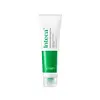
This salicylic acid foaming cleanser is formulated around Salicylic Acid to clear breakouts and unclog pores.
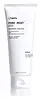
This betaine salicylate cream cleanser is formulated around Betaine Salicylate to clear breakouts and unclog pores.

What's inside
What's inside
 Key Ingredients
Benefits
Concerns
Ingredients Side-by-side
Water
Skin ConditioningSodium C14-16 Olefin Sulfonate
Cleansing

Acrylates Copolymer
Glycerin
Humectant


Coco-Betaine
Cleansing
Propanediol
Solvent
Arginine
Masking
Citric Acid
Buffering


Salicylic Acid
Masking






Potassium Benzoate
Preservative
Butylene Glycol
Humectant
Sorbitol
Humectant
Coco-Glucoside
Cleansing
Candida Bombicola/Glucose/Methyl Rapeseedate Ferment
AntimicrobialHelianthus Annuus Seed Oil
Emollient

Dipropylene Glycol
HumectantDecyl Glucoside
Cleansing
Polyquaternium-10
Lactobacillus Ferment Lysate
Skin Conditioning
Mentha Arvensis Leaf Oil
Masking
Trisodium Ethylenediamine Disuccinate
ChelatingCymbopogon Schoenanthus Extract
Skin ConditioningEthoxydiglycol
Humectant1,2-Hexanediol
Skin Conditioning
Asiaticoside
Antioxidant


Asiatic Acid
Skin Conditioning
Madecassic Acid
Skin Conditioning
Hamamelis Virginiana Leaf Extract
Skin Conditioning
Oenothera Biennis Flower Extract
AstringentPueraria Lobata Root Extract
HumectantPinus Palustris Leaf Extract
TonicUlmus Davidiana Root Extract
Skin Conditioning
Water, Sodium C14-16 Olefin Sulfonate, Acrylates Copolymer, Glycerin, Coco-Betaine, Propanediol, Arginine, Citric Acid, Salicylic Acid, Potassium Benzoate, Butylene Glycol, Sorbitol, Coco-Glucoside, Candida Bombicola/Glucose/Methyl Rapeseedate Ferment, Helianthus Annuus Seed Oil, Dipropylene Glycol, Decyl Glucoside, Polyquaternium-10, Lactobacillus Ferment Lysate, Mentha Arvensis Leaf Oil, Trisodium Ethylenediamine Disuccinate, Cymbopogon Schoenanthus Extract, Ethoxydiglycol, 1,2-Hexanediol, Asiaticoside, Asiatic Acid, Madecassic Acid, Hamamelis Virginiana Leaf Extract, Oenothera Biennis Flower Extract, Pueraria Lobata Root Extract, Pinus Palustris Leaf Extract, Ulmus Davidiana Root Extract
Water
Skin ConditioningGlycerin
Humectant
Myristic Acid
Cleansing
Stearic Acid
Cleansing
Lauric Acid
Cleansing
Potassium Hydroxide
BufferingPalmitic Acid
Emollient
Potassium Cocoyl Glycinate
Surfactant
Potassium Cocoate
Emulsifying
2,3-Butanediol
HumectantMelia Azadirachta Leaf Extract
Skin ConditioningMelia Azadirachta Flower Extract
Skin ConditioningCoccinia Indica Fruit Extract
Skin Conditioning
Amber Powder
Solanum Melongena Fruit Extract
Skin ConditioningCurcuma Longa Root Extract
Antioxidant
Ocimum Sanctum Leaf Extract
Skin ConditioningCorallina Officinalis Extract
Skin Conditioning
Moringa Oleifera Seed Oil
Emollient
Glyceryl Stearate
Emollient
Ethoxydiglycol
HumectantAcrylates/C10-30 Alkyl Acrylate Crosspolymer
Emulsion StabilisingDipropylene Glycol
HumectantArachidic Acid
Cleansing
Glycereth-26
Humectant
Propanediol
Solvent
Polyquaternium-7
Sodium Phytate
ChelatingOleic Acid
Emollient
Betaine Salicylate
Antimicrobial
Sodium Benzoate
Masking
Water, Glycerin, Myristic Acid, Stearic Acid, Lauric Acid, Potassium Hydroxide, Palmitic Acid, Potassium Cocoyl Glycinate, Potassium Cocoate, 2,3-Butanediol, Melia Azadirachta Leaf Extract, Melia Azadirachta Flower Extract, Coccinia Indica Fruit Extract, Amber Powder, Solanum Melongena Fruit Extract, Curcuma Longa Root Extract, Ocimum Sanctum Leaf Extract, Corallina Officinalis Extract, Moringa Oleifera Seed Oil, Glyceryl Stearate, Ethoxydiglycol, Acrylates/C10-30 Alkyl Acrylate Crosspolymer, Dipropylene Glycol, Arachidic Acid, Glycereth-26, Propanediol, Polyquaternium-7, Sodium Phytate, Oleic Acid, Betaine Salicylate, Sodium Benzoate
Reviews
Ingredients Explained
These ingredients are found in both products.
Ingredients higher up in an ingredient list are typically present in a larger amount.
Dipropylene Glycol is a synthetically created humectant, stabilizer, and solvent.
This ingredient helps:
Dipropylene glycol is technically an alcohol, but it belongs to the glycol family (often considered part of the ‘good’ alcohols). This means it is hydrating and gentle on skin unlike drying solvent alcohols like denatured alcohol.
As a masking agent, Dipropylene Glycol can be used to cover the smell of other ingredients. However, it does not have a scent.
Studies show Dipropylene Glycol is considered safe to use in skincare.
Learn more about Dipropylene GlycolEthoxydiglycol (aka Diethylene Glycol Monoethyl Ether) is one of the cosmetic world's quiet problem solvers.
In a formula, it is a solvent that dissolves tricky ingredients that don't want to mix in and helps spread ingredients evenly across your skin without leaving a greasy or sticky feeling
This makes it great for hard-to-dissolve actives like vitamin C, benzoyl peroxide, and self-tanner DHA.
It also has mild humectant and penetration enhancer abilities so it can help some actives absorb a little deeper.
The penetration boost is backed by lab research: studies using human skin samples found it improved how well an active dissolves into the upper layer of skin rather than tearing down your skin barrier. Reviews of its mechanism also describe it interacting gently with the lipids and water in your outermost layer of skin.
Just know this penetration-enhancing effect is not universal. It helps a lot in some formulas and did very little in others (so the benefit really depends on the specific product).
Safety-wise, the evidence is reassuring. The Cosmetic Ingredient Review Expert Panel reviewed it and concluded it's safe for use in cosmetics and recognized it as non-irritating, non-sensitizing, and non-comedogenic in skincare.
Typical leave-on skincare usage lands around 1-10%. The EU has sets caps of 2.6% in non-spray products, 10% in rinse-offs, 7% in oxidative hair dye, and 5% in non-oxidative hair dye.
Learn more about EthoxydiglycolGlycerin (or glycerol) is a compound naturally found in your skin. It's a powerhouse humectant that pulls water into the stratum corneum.
Topically, glycerin does several things at once:
Your skin makes glycerin on its own (mostly from sebaceous oil breakdown) and shuttles it to your outermost layer of skin, or your epidermis, via aquaporin-3.
Aquaporin-3 is a transporter that is essential for normal skin hydration, elasticity, and repair. Interestingly, mice lacking in AQP3 have dry and less elastic skin that can be fully corrected with glycerin.
This ingredient is non-irritating, plays well with almost every ingredient, and works across all skin types. Typical use is anywhere between 3-10% but can go up to 79% in some leave-on products.
Just know very high concentrations (>40%) can feel tacky in low humidity.
Glycerin is the name for this ingredient in American English. British English uses Glycerol/Glycerine.
Learn more about GlycerinPropanediol is an all-star ingredient. It softens, hydrates, and smooths the skin.
It’s often used to:
Propanediol is not likely to cause sensitivity and considered safe to use. It is derived from corn or petroleum with a clear color and no scent.
Learn more about PropanediolWater. It's the most common cosmetic ingredient of all. You'll usually see it at the top of ingredient lists, meaning that it makes up the largest part of the product.
So why is it so popular? Water most often acts as a solvent - this means that it helps dissolve other ingredients into the formulation.
You'll also recognize water as that liquid we all need to stay alive. If you see this, drink a glass of water. Remember to stay hydrated!
Learn more about Water

