
What's inside
What's inside
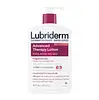 Key Ingredients
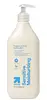
Benefits
Concerns
Ingredients Side-by-side
Water
Skin ConditioningGlycerin
Humectant



Paraffinum Liquidum
Emollient


Cetyl Alcohol
Emollient
Sorbitol
Humectant
Caprylic/Capric Triglyceride
Masking
Emulsifying Wax Nf
Palmitic Acid
Emollient
Phenoxyethanol
Preservative
Stearic Acid
Cleansing
Cetearyl Alcohol
Emollient
Lecithin
Emollient
Carbomer
Emulsion StabilisingSodium Hydroxide
BufferingCeteareth-20
Cleansing
Caprylyl Glycol
Emollient
Sodium Citrate
BufferingTocopheryl Acetate
Antioxidant

Panthenol
Skin Conditioning

Citric Acid
Buffering




Avena Sativa Kernel Oil
Skin Conditioning
Titanium Dioxide
Cosmetic Colorant

Water, Glycerin, Paraffinum Liquidum, Cetyl Alcohol, Sorbitol, Caprylic/Capric Triglyceride, Emulsifying Wax Nf, Palmitic Acid, Phenoxyethanol, Stearic Acid, Cetearyl Alcohol, Lecithin, Carbomer, Sodium Hydroxide, Ceteareth-20, Caprylyl Glycol, Sodium Citrate, Tocopheryl Acetate, Panthenol, Citric Acid, Avena Sativa Kernel Oil, Titanium Dioxide
Water
Skin ConditioningGlycerin
Humectant
Stearic Acid
Cleansing
Petrolatum
Emollient
PEG-100 Stearate
Glyceryl Stearate
Emollient
Glycol Stearate
Emollient
Caprylic/Capric Triglyceride
Masking
Isopropyl Palmitate
Emollient
Dimethicone
Emollient
Coco-Caprylate/Caprate
Emollient
Phenoxyethanol
Preservative
Ethylhexylglycerin
Skin ConditioningCetyl Alcohol
Emollient
Sodium Hydroxide
BufferingTapioca Starch
Carbomer
Emulsion StabilisingDisodium EDTA
Stearamide Amp
Titanium Dioxide
Cosmetic Colorant
Starch Hydroxypropyltrimonium Chloride
Emulsion StabilisingHydroxyethyl Urea
Humectant
Sodium Hyaluronate
Humectant
Ceramide NP
Skin Conditioning

Ceramide AP
Skin Conditioning
Ceramide EOP
Skin Conditioning
Phytosphingosine
Skin Conditioning
Cholesterol
Emollient
Sodium Lauroyl Lactylate
EmulsifyingXanthan Gum
EmulsifyingSodium PCA
Humectant
Betaine
Humectant
Sodium Lactate
BufferingGlutamic Acid
Humectant
Serine
Masking
Alanine
MaskingGlycine
Buffering
Lysine
Skin ConditioningThreonine
Arginine
Masking
Proline
Skin ConditioningWater, Glycerin, Stearic Acid, Petrolatum, PEG-100 Stearate, Glyceryl Stearate, Glycol Stearate, Caprylic/Capric Triglyceride, Isopropyl Palmitate, Dimethicone, Coco-Caprylate/Caprate, Phenoxyethanol, Ethylhexylglycerin, Cetyl Alcohol, Sodium Hydroxide, Tapioca Starch, Carbomer, Disodium EDTA, Stearamide Amp, Titanium Dioxide, Starch Hydroxypropyltrimonium Chloride, Hydroxyethyl Urea, Sodium Hyaluronate, Ceramide NP, Ceramide AP, Ceramide EOP, Phytosphingosine, Cholesterol, Sodium Lauroyl Lactylate, Xanthan Gum, Sodium PCA, Betaine, Sodium Lactate, Glutamic Acid, Serine, Alanine, Glycine, Lysine, Threonine, Arginine, Proline
Ingredients Explained
These ingredients are found in both products.
Ingredients higher up in an ingredient list are typically present in a larger amount.
This ingredient is an emollient, solvent, and texture enhancer. It is considered a skin-softener by helping the skin prevent moisture loss.
It helps thicken a product's formula and makes it easier to spread by dissolving clumping compounds.
Caprylic Triglyceride is made by combining glycerin with coconut oil, forming a clear liquid.
While there is an assumption Caprylic Triglyceride can clog pores due to it being derived from coconut oil, there is no research supporting this.
Learn more about Caprylic/Capric TriglycerideCarbomer is a polymer of acrylic acid. Its main role is to create a gel consistency.
A high amount of carbomer can cause pilling or balling up of products. Don't worry, most products contain 1% or less of carbomer.
Cetyl Alcohol is a fatty alcohol. Fatty Alcohols are most often used as an emollient or to thicken a product.
Its main roles are:
Though it has "alcohol" in the name, it is not related to denatured alcohol or ethyl alcohol.
The FDA allows products labeled "alcohol-free" to have fatty alcohols.
Learn more about Cetyl AlcoholGlycerin is already naturally found in your skin. It helps moisturize and protect your skin.
A study from 2016 found glycerin to be more effective as a humectant than AHAs and hyaluronic acid.
As a humectant, it helps the skin stay hydrated by pulling moisture to your skin. The low molecular weight of glycerin allows it to pull moisture into the deeper layers of your skin.
Hydrated skin improves your skin barrier; Your skin barrier helps protect against irritants and bacteria.
Glycerin has also been found to have antimicrobial and antiviral properties. Due to these properties, glycerin is often used in wound and burn treatments.
In cosmetics, glycerin is usually derived from plants such as soybean or palm. However, it can also be sourced from animals, such as tallow or animal fat.
This ingredient is organic, colorless, odorless, and non-toxic.
Glycerin is the name for this ingredient in American English. British English uses Glycerol/Glycerine.
Learn more about GlycerinPhenoxyethanol is a preservative that has germicide, antimicrobial, and aromatic properties. Studies show that phenoxyethanol can prevent microbial growth. By itself, it has a scent that is similar to that of a rose.
It's often used in formulations along with Caprylyl Glycol to preserve the shelf life of products.
Sodium Hydroxide is also known as lye or caustic soda. It is used to adjust the pH of products; many ingredients require a specific pH to be effective.
In small amounts, sodium hydroxide is considered safe to use. However, large amounts may cause chemical burns due to its high alkaline.
Your skin has a natural pH and acid mantle. This acid mantle helps prevent harmful bacteria from breaking through. The acid mantle also helps keep your skin hydrated.
"Alkaline" refers to a high pH level. A low pH level would be considered acidic.
Learn more about Sodium HydroxideStearic Acid is a fatty acid. It is an emollient, emulsifier, and texture enhancer.
As an emollient, stearic acid helps soften skin. It aids the skin's protective barrier by preventing water loss. It also provides a gentle cleansing effect without stripping away natural oils.
Stearic acid may also be used to enhance the texture of products. It can add volume and stabilize ingredients such as water and oil. This can help water and oil ingredients from separating.
Sources of stearic acid include animal or vegetable fats/oils such as coconut or shea. It can be naturally found in butter, cocoa butter, shea butter, vegetable fats, and animal tallow.
This ingredient may not be Malassezia folliculitis, or fungal-acne safe.
Learn more about Stearic AcidTitanium dioxide is a mineral UV filter widely used in sunscreens and cosmetics.
It is one of only two UV filters officially classified as “mineral” by regulatory agencies, the other being zinc oxide.
Titanium dioxide provides broad-spectrum protection mostly in the UVB and UVAII range, with some protection in the UVAI range.
While its UVA protection isn’t as strong as zinc oxide’s, the difference is minor.
A common myth is that mineral UV filters reflect UV light. However, modern research shows titanium dioxide absorbs UV radiation like chemical filters (~95% absorption & 5% reflection).
Thanks to its non-irritating nature, titanium dioxide is suitable for sensitive, acne-prone, or redness-prone skin. It is unlikely to cause "eye sting" like other sunscreen ingredients.
A major drawback of this ingredient is its white cast and thick texture. This is why mineral sunscreens often leave a white cast and are less cosmetically elegant than chemical/hybrid sunscreens.
To improve white cast and spreadability, micronized or nano-sized titanium dioxide is often used.
There are ongoing concerns surrounding nano-titanium oxide's impact on marine ecosystems.
There is no conclusive evidence that any form of titanium oxide (or any other sunscreen ingredients) will cause harm to marine ecosystems or coral reefs. The science is still developing but many consumers are keeping a close eye on this issue.
Please note, many destinations have reef-safety sunscreen rules. For instance, the U.S. Virgin Islands advises all visitors to use non-nano mineral sunscreens.
Nano mineral sunscreens once raised safety concerns about absorption into skin.
Extensive research has shown that they do not penetrate healthy or damaged skin; they remain safely on the surface and the top layer of dead skin (stratum corneum).
You'll likely find titanium dioxide bundled with alumina, silica, or dimethicone. These ingredients help make titanium dioxide highly photostable; this prevents it from interacting with other formula components under UV light.
Learn more about Titanium DioxideWater. It's the most common cosmetic ingredient of all. You'll usually see it at the top of ingredient lists, meaning that it makes up the largest part of the product.
So why is it so popular? Water most often acts as a solvent - this means that it helps dissolve other ingredients into the formulation.
You'll also recognize water as that liquid we all need to stay alive. If you see this, drink a glass of water. Stay hydrated!
Learn more about Water
