Live Tinted Hueguard Skin Tint SPF 50 Mineral Sunscreen Broad Spectrum Versus Eucerin Sun Face Oil Control Tinted SPF 50+
This hybrid sunscreen covers the full UV range and blocks ~98% of UVB at SPF 50.
This chemical sunscreen covers the full UV range and blocks ~98% of UVB at SPF 50.


What's inside
What's inside
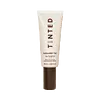 Key Ingredients
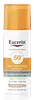
Benefits
Concerns
Ingredients Side-by-side
Zinc Oxide 95%
Cosmetic Colorant


Allantoin
Skin Conditioning




Aluminum Hydroxide
EmollientAscorbyl Palmitate
Antioxidant




Bisabolol
Antioxidant
Buddleja Davidii Callus Extract
Butyloctyl Salicylate
Skin Conditioning
C12-15 Alkyl Benzoate
AntimicrobialC13-15 Alkane
SolventCaprylic/Capric Triglyceride
Masking
Caprylyl Glycol
Emollient
Citric Acid
Buffering
Coco-Caprylate
Emollient
Crocus Sativus Flower Extract
MaskingDisteardimonium Hectorite
StabilisingGlycerin
Humectant
Hippophae Rhamnoides Seed Oil
Skin Protecting
Hydrogenated Lecithin
Emulsifying
Hydrolyzed Sodium Hyaluronate
Skin Conditioning
Iron Oxides
Isoamyl Laurate
Emollient
Lecithin
Emollient
Methylpropanediol
SolventPhenylpropanol
Masking

Physalis Pubescens Fruit Juice
Skin ConditioningPolyglyceryl-3 Polyricinoleate
Emulsifying
Polyglyceryl-4 Diisostearate/Polyhydroxystearate/Sebacate
Emulsifying
Pyrus Malus Fruit Extract
Skin Conditioning
Silica
Abrasive

Silica Silylate
Emollient
Sodium Chloride
MaskingSodium Hyaluronate
Humectant

CI 77891
Cosmetic ColorantTocopherol
Antioxidant

Water
Skin ConditioningWithania Somnifera Root Extract
Skin Conditioning
Xanthan Gum
EmulsifyingZinc Oxide 95%, Allantoin, Aluminum Hydroxide, Ascorbyl Palmitate, Bisabolol, Buddleja Davidii Callus Extract, Butyloctyl Salicylate, C12-15 Alkyl Benzoate, C13-15 Alkane, Caprylic/Capric Triglyceride, Caprylyl Glycol, Citric Acid, Coco-Caprylate, Crocus Sativus Flower Extract, Disteardimonium Hectorite, Glycerin, Hippophae Rhamnoides Seed Oil, Hydrogenated Lecithin, Hydrolyzed Sodium Hyaluronate, Iron Oxides, Isoamyl Laurate, Lecithin, Methylpropanediol, Phenylpropanol, Physalis Pubescens Fruit Juice, Polyglyceryl-3 Polyricinoleate, Polyglyceryl-4 Diisostearate/Polyhydroxystearate/Sebacate, Pyrus Malus Fruit Extract, Silica, Silica Silylate, Sodium Chloride, Sodium Hyaluronate, CI 77891, Tocopherol, Water, Withania Somnifera Root Extract, Xanthan Gum
Water
Skin ConditioningAlcohol Denat.
Antimicrobial



CI 77891
Cosmetic ColorantButyl Methoxydibenzoylmethane
UV Absorber
Bis-Ethylhexyloxyphenol Methoxyphenyl Triazine
UV Absorber
Dibutyl Adipate
EmollientButylene Glycol Dicaprylate/Dicaprate
EmollientC12-15 Alkyl Benzoate
AntimicrobialEthylhexyl Salicylate
UV Absorber
Ethylhexyl Triazone
UV Absorber
Diethylamino Hydroxybenzoyl Hexyl Benzoate
UV Filter
Phenylbenzimidazole Sulfonic Acid
UV Absorber
Silica
Abrasive
Silica Dimethyl Silylate
EmollientCocoglycerides
Emollient
Copernicia Cerifera Cera
Emollient
Carnitine
Cleansing
Glycyrrhiza Inflata Root Extract
Skin Conditioning
Glycyrrhetinic Acid
Skin Conditioning
Glycerin
Humectant
Tapioca Starch
Chondrus Crispus Extract
Skin Conditioning
Hydroxypropyl Methylcellulose
Emulsion StabilisingXanthan Gum
EmulsifyingBehenyl Alcohol
Emollient
Cetearyl Alcohol
Emollient

Stearic Acid
Cleansing
Myristic Acid
Cleansing
Arachidic Acid
Cleansing
Oleic Acid
Emollient
Palmitic Acid
Emollient
Sodium Stearoyl Glutamate
CleansingSodium Hydroxide
BufferingSodium Chloride
MaskingTrisodium EDTA
Hydroxyacetophenone
Antioxidant
Phenoxyethanol
Preservative
CI 77491
Cosmetic ColorantCI 77499
Cosmetic ColorantWater, Alcohol Denat., CI 77891, Butyl Methoxydibenzoylmethane, Bis-Ethylhexyloxyphenol Methoxyphenyl Triazine, Dibutyl Adipate, Butylene Glycol Dicaprylate/Dicaprate, C12-15 Alkyl Benzoate, Ethylhexyl Salicylate, Ethylhexyl Triazone, Diethylamino Hydroxybenzoyl Hexyl Benzoate, Phenylbenzimidazole Sulfonic Acid, Silica, Silica Dimethyl Silylate, Cocoglycerides, Copernicia Cerifera Cera, Carnitine, Glycyrrhiza Inflata Root Extract, Glycyrrhetinic Acid, Glycerin, Tapioca Starch, Chondrus Crispus Extract, Hydroxypropyl Methylcellulose, Xanthan Gum, Behenyl Alcohol, Cetearyl Alcohol, Stearic Acid, Myristic Acid, Arachidic Acid, Oleic Acid, Palmitic Acid, Sodium Stearoyl Glutamate, Sodium Hydroxide, Sodium Chloride, Trisodium EDTA, Hydroxyacetophenone, Phenoxyethanol, CI 77491, CI 77499
Reviews
Ingredients Explained
These ingredients are found in both products.
Ingredients higher up in an ingredient list are typically present in a larger amount.
C12-15 Alkyl Benzoate is a lightweight emollient made by combinig benzoic acid with fatty alcohols that are 12-15 carbons long.
In cosmetics, it plays several roles:
The Cosmetic Review Expert Panel has concluded the alkyl benzoate group to be safe as used in cosmetics; it wasn't found to be a skin irritant and unlikely to be absorbed due to its low water solubility.
This report recorded almost 1000 reported uses with concentrations up to 59% in leave-on products but your cosmetics will typically use 0.5-15% depending on the product.
It's often called a "SPF booster": this is because it keeps UV filters properly dissolved and evenly distributed to support a sunscreen's performance. It doesn't actually raise SPF on its own.
Overall, this ingredient is well tolerated.
This ingredient is fungal acne safe because it is an ester of benzoic acid.
Think of this ingredient as two parts stuck together: an oily part and an acid part. Malassezia only gets a meal when it can snip off a fatty acid to eat. With C12-15 Alkyl Benzoate, the acid part is benzoic acid, which isn't a fatty acid and which the yeast can't use as food.
Benzoic acid is actually used as a preservative to stop yeast from growing.
The oily part is a blend of C12-15 fatty alcohols but fatty alcohols in this size range can support only a little Malassezia growth (mostly for one species of Malassezia as well).
In the ingredient, those alcohols stay locked inside the molecule. The yeast can only reach them by snipping the benzoate bond, and that type of bond is harder for it to cut than a normal fatty bond.
So not much gets released. And whatever does get snipped comes packaged with benzoic acid, which discourages yeast growth.
Learn more about C12-15 Alkyl BenzoateCi 77891 is a white pigment from Titanium dioxide. It is naturally found in minerals such as rutile and ilmenite.
It's main function is to add a white color to cosmetics. It can also be mixed with other colors to create different shades.
Ci 77891 is commonly found in sunscreens due to its ability to block UV rays.
Learn more about CI 77891Glycerin (or glycerol) is a compound naturally found in your skin. It's a powerhouse humectant that pulls water into the stratum corneum.
Topically, glycerin does several things at once:
Your skin makes glycerin on its own (mostly from sebaceous oil breakdown) and shuttles it to your outermost layer of skin, or your epidermis, via aquaporin-3.
Aquaporin-3 is a transporter that is essential for normal skin hydration, elasticity, and repair. Interestingly, mice lacking in AQP3 have dry and less elastic skin that can be fully corrected with glycerin.
This ingredient is non-irritating, plays well with almost every ingredient, and works across all skin types. Typical use is anywhere between 3-10% but can go up to 79% in some leave-on products.
Just know very high concentrations (>40%) can feel tacky in low humidity.
Glycerin is the name for this ingredient in American English. British English uses Glycerol/Glycerine.
Learn more about GlycerinSilica, also known as silicon dioxide, is a naturally occurring mineral. It is used as a fine, spherical, and porous powder in cosmetics.
Though it has exfoliant properties, the function of silica varies depending on the product.
The unique structure of silica enhances the spreadability and adds smoothness, making it a great texture enhancer.
It is also used as an active carrier, emulsifier, and mattifier due to its ability to absorb excess oil.
In some products, tiny microneedles called spicules are made from silica or hydrolyzed sponge. When you rub them in, they lightly polish away dead skin layers and enhance the penetration of active ingredients.
Learn more about SilicaChances are, you eat sodium chloride every day. Sodium Chloride is also known as table salt. This ingredient has many purposes in skincare: thickener, emulsifier, and exfoliator.
You'll most likely find this ingredient in cleansers where it is used to create a gel-like texture. As an emulsifier, it also prevents ingredients from separating.
You might see people debate whether Sodium Chloride is comedogenic, but there actually haven't been any comedogenic tests done on it. Either way, the overall formulation of a product matters a lot more than any single ingredient.
You might see this ingredient used in scrubs as a primary exfoliating ingredient.
Learn more about Sodium ChlorideWater. It's the most common cosmetic ingredient of all. You'll usually see it at the top of ingredient lists, meaning that it makes up the largest part of the product.
So why is it so popular? Water most often acts as a solvent - this means that it helps dissolve other ingredients into the formulation.
You'll also recognize water as that liquid we all need to stay alive. If you see this, drink a glass of water. Remember to stay hydrated!
Learn more about WaterXanthan gum is used as a stabilizer and thickener within cosmetic products. It helps give products a sticky, thick feeling - preventing them from being too runny.
On the technical side of things, xanthan gum is a polysaccharide - a combination consisting of multiple sugar molecules bonded together.
Xanthan gum is a pretty common and great ingredient. It is a natural, non-toxic, non-irritating ingredient that is also commonly used in food products.
Learn more about Xanthan Gum

