
What's inside
What's inside
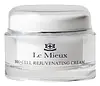 Key Ingredients
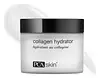
Benefits
Concerns
Ingredients Side-by-side
Hyaluronic Acid
Humectant




Hydrolyzed Sodium Hyaluronate
Skin Conditioning
Sodium Hyaluronate
Humectant
Sodium Hyaluronate Crosspolymer
Humectant
Hydroxypropyltrimonium Hyaluronate
C12-13 Alkyl Glyceryl Hydrolyzed Hyaluronate
Acetyl Hexapeptide-8
Humectant
Dipalmitoyl Hydroxyproline
Skin Conditioning

Palmitoyl Pentapeptide-4
Skin Conditioning
Palmitoyl Tripeptide-5
Skin Conditioning
Ceramide EOP
Skin Conditioning
Ceramide NP
Skin Conditioning
Oryza Sativa Bran Water
Masking
Squalane
Emollient
Saccharomyces Lysate Extract
Humectant
Phospholipids
Skin Conditioning
Glyceryl Polymethacrylate
Simmondsia Chinensis Seed Oil
Emollient
Argania Spinosa Kernel Oil
Emollient

Plukenetia Volubilis Seed Oil
Emollient
Butyrospermum Parkii Butter
Skin Conditioning


Cetyl Alcohol
Emollient

Tocotrienols
Skin Conditioning
Tocopheryl Linoleate
Antioxidant
Sodium Carboxymethyl Beta-Glucan
CleansingVitis Vinifera Seed Extract
Antimicrobial
Oenothera Biennis Oil
Emollient
Rosa Canina Seed Oil
Emollient
Parfum
Masking

Caprylyl Glycol
Emollient
Ethylhexylglycerin
Skin ConditioningUndecylenoyl Glycine
CleansingCapryloyl Glycine
CleansingHyaluronic Acid, Hydrolyzed Sodium Hyaluronate, Sodium Hyaluronate, Sodium Hyaluronate Crosspolymer, Hydroxypropyltrimonium Hyaluronate, C12-13 Alkyl Glyceryl Hydrolyzed Hyaluronate, Acetyl Hexapeptide-8, Dipalmitoyl Hydroxyproline, Palmitoyl Pentapeptide-4, Palmitoyl Tripeptide-5, Ceramide EOP, Ceramide NP, Oryza Sativa Bran Water, Squalane, Saccharomyces Lysate Extract, Phospholipids, Glyceryl Polymethacrylate, Simmondsia Chinensis Seed Oil, Argania Spinosa Kernel Oil, Plukenetia Volubilis Seed Oil, Butyrospermum Parkii Butter, Cetyl Alcohol, Tocotrienols, Tocopheryl Linoleate, Sodium Carboxymethyl Beta-Glucan, Vitis Vinifera Seed Extract, Oenothera Biennis Oil, Rosa Canina Seed Oil, Parfum, Caprylyl Glycol, Ethylhexylglycerin, Undecylenoyl Glycine, Capryloyl Glycine
Water
Skin ConditioningC12-15 Alkyl Benzoate
AntimicrobialGlycerin
Humectant
Glyceryl Stearate
Emollient
Cetearyl Alcohol
Emollient
Isopropyl Palmitate
Emollient
Butyrospermum Parkii Butter
Skin Conditioning
Cyclopentasiloxane
Emollient
Dimethicone
Emollient
Cetyl Alcohol
Emollient
Polysorbate 60
Emulsifying
Tetrahexyldecyl Ascorbate
Antioxidant


Allantoin
Skin Conditioning
Aloe Barbadensis Leaf Extract
Emollient
Chamomilla Recutita Flower Extract
Masking
Cucumis Sativus Fruit Extract
Emollient
Ethylhexylglycerin
Skin ConditioningGlycol Distearate
Emollient
Helianthus Annuus Seed Oil
Emollient
Hydrolyzed Wheat Protein
Skin ConditioningOlea Europaea Fruit Oil
Masking
Phenoxyethanol
Preservative
Potassium Cetyl Phosphate
EmulsifyingPrunus Amygdalus Dulcis Oil
Skin Conditioning
Sodium Hyaluronate
Humectant
Sodium PCA
Humectant
Tocopherol
Antioxidant
Xanthan Gum
EmulsifyingCarbomer
Emulsion StabilisingSodium Hydroxide
BufferingTetrasodium EDTA
Water, C12-15 Alkyl Benzoate, Glycerin, Glyceryl Stearate, Cetearyl Alcohol, Isopropyl Palmitate, Butyrospermum Parkii Butter, Cyclopentasiloxane, Dimethicone, Cetyl Alcohol, Polysorbate 60, Tetrahexyldecyl Ascorbate, Allantoin, Aloe Barbadensis Leaf Extract, Chamomilla Recutita Flower Extract, Cucumis Sativus Fruit Extract, Ethylhexylglycerin, Glycol Distearate, Helianthus Annuus Seed Oil, Hydrolyzed Wheat Protein, Olea Europaea Fruit Oil, Phenoxyethanol, Potassium Cetyl Phosphate, Prunus Amygdalus Dulcis Oil, Sodium Hyaluronate, Sodium PCA, Tocopherol, Xanthan Gum, Carbomer, Sodium Hydroxide, Tetrasodium EDTA
Reviews
Ingredients Explained
These ingredients are found in both products.
Ingredients higher up in an ingredient list are typically present in a larger amount.
This ingredient is also known as shea butter. It is a plant-derived extract from the nuts of the Africa shea tree and one of the most well-studied emollients.
Because it has a high concentration of fatty acids (primarily oleic, stearic, and linoleic) it is able to form a protective barrier on the skin's surface. This helps seal in moisture and prevents transepidermal water loss (TEWL).
In vitro research found an increase in skin hydration by 58% and a decrease in TEWL by 37.8% after 24 hours of applying this ingredient (pretty impressive for a single ingredient!).
Besides hydration, shea butter also contains triterpenes that have anti-inflammatory potential. In particule, lupeol cinnamate has shown the highest anti-inflammatory activity in vivo.
Shea butter also contains vitamins A and E which may contribute to antioxidant activity.
While Shea Butter has an SPF rating of about 3-4, it is not a sunscreen replacement.
This ingredient may not be fungal acne safe because its fatty acids fall within the C11-C24 range that the Malassezia yeast can metabolize.
Learn more about Butyrospermum Parkii ButterCetyl Alcohol is a fatty alcohol. Fatty Alcohols are most often used as an emollient or to thicken a product.
Its main roles are:
Though it has "alcohol" in the name, it is not related to denatured alcohol or ethyl alcohol.
The FDA allows products labeled "alcohol-free" to have fatty alcohols.
This ingredient may not be fungal acne safe. It is a primary fatty alcohol with a chain length above 12 carbons. A study from 2019 show Malassezia can feed on fatty alcohols in this range, so it may trigger fungal acne in those prone to it.
Learn more about Cetyl AlcoholEthylhexylglycerin is created from glycerin. It is a multitasker ingredient that:
The CIR Expert Panel found minimal skin absorption or sensitization of any kind in a safety assessment. Though this ingredient is considered well-tolerated, a small number of cases of allergic dermatitis have been published since 2002. Just be sure to patch test if you are unsure.
Industry-reported use ranges from 8% in rinse-off products and 2% in leave-on formulations.
Learn more about EthylhexylglycerinSodium Hyaluronate is the salt form of hyaluronic acid. It is a long sugar chain that is naturally found in your skin, joints, and connective tissue that maintains hydration and elasticity.
In skincare, it works as a humectant. It pulls water from the environment and deeper layers of skin and binds it to the surface.
Interestingly, the size of the molecule affects its behavior:
Some clinical evidence links low molecular weight versions to improved wrinkle depth, elasticity, anti-inflammatory effects, and barrier repair.
Many serums use a blend of both weights so you can get surface hydration plus longer-lasting and deeper effects.
You'll typically see concentrations between 0.1-2% for this ingredient.
Learn more about Sodium Hyaluronate

